Plate Nº 39 · recorded November 17, 2026
Neuroscience & MindReported finding
Nitrate Source May Matter for Dementia Risk, 27-Year Study Finds
A 27-year Danish study of 54,804 adults links vegetable nitrates to 10% lower dementia rates, but animal-sourced and tap water nitrates to higher ones.
By James Calloway5 min read963 words
In brief
- 54,804 Danish adults followed up to ~27 years; 4,750 developed dementia
- Highest vegetable nitrate intake (median 77 mg/day) linked to 10% lower dementia rate
- Highest naturally occurring animal nitrate linked to 13% higher rate; animal nitrite to 19% higher
- Tap water nitrate at 1.8–5.1 mg/L, far below safety limits, linked to 12–16% higher rates
- Study is observational; authors call results hypothesis-generating
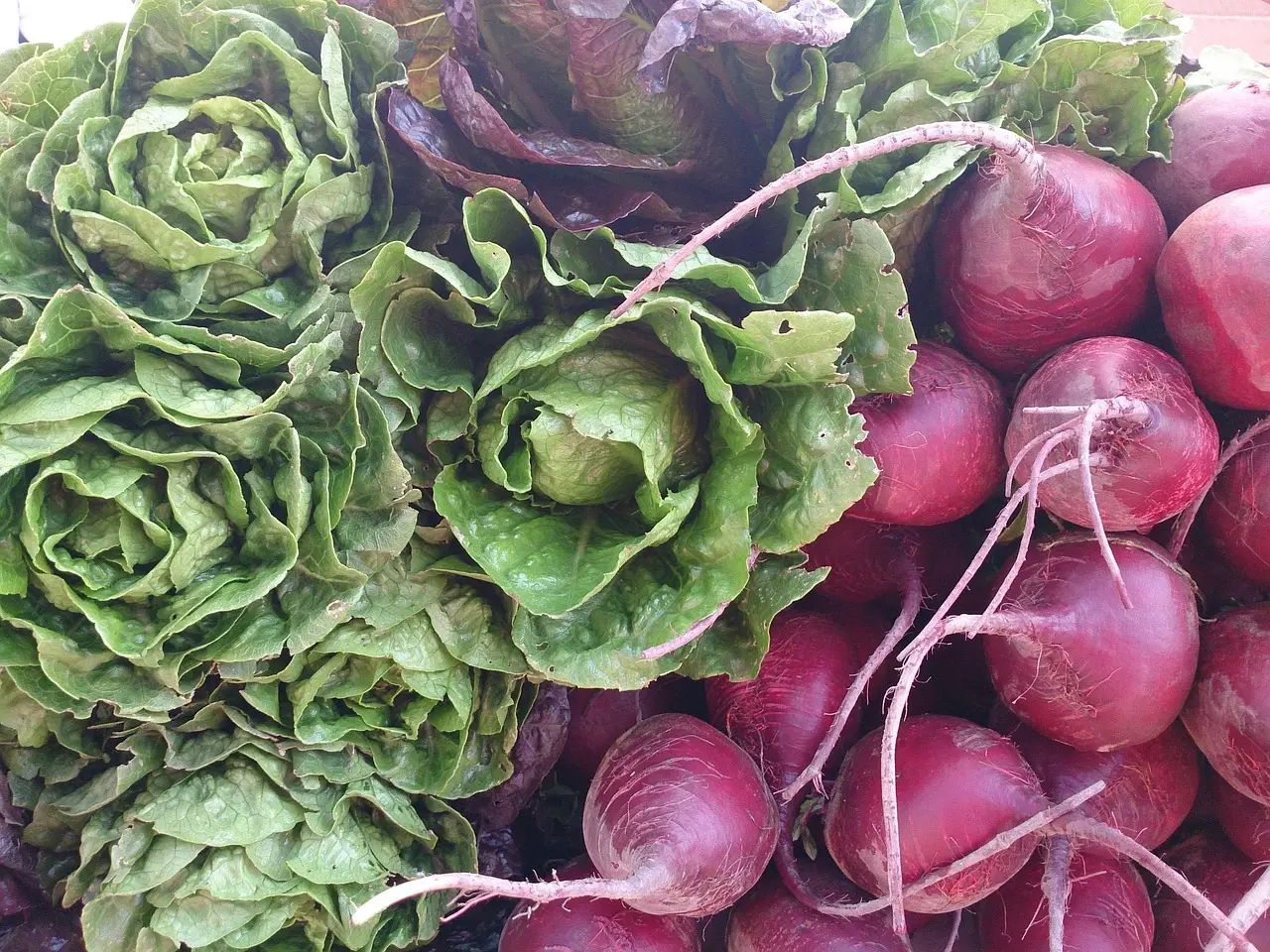
A 27-year Danish study of 54,804 adults found that nitrates from vegetables come with a 10% lower dementia rate, while nitrates from animal products and even tap water come with rates 11% to 19% higher. The direction of the association, in other words, depends on where the nitrate comes from — not on the compound itself.
The paper, published in Alzheimer's & Dementia, tracked residents of Copenhagen and Aarhus who enrolled between 1993 and 1997 at ages 50 to 64, all free of dementia at the start. Catherine P. Bondonno of Edith Cowan University and the University of Western Australia led the research team. The authors themselves call the results hypothesis-generating. Keep that phrase in mind, because it is doing honest work.
What exactly did the researchers measure?
Nitrates and nitrites are nitrogen-and-oxygen compounds found naturally in soil, water, plants and animal tissue. Manufacturers add them to bacon, ham and sausages to preserve color and block harmful bacteria. For most people, leafy greens and root vegetables like lettuce and potatoes supply most dietary nitrate.
Participants filled out a 192-item food questionnaire at enrollment, covering the preceding year. The researchers cross-referenced answers with food databases, accounting for the roughly 50% of nitrate lost when vegetables are boiled. Separate databases estimated naturally occurring nitrate in fresh meat, poultry, fish and dairy, plus regulated additives in processed meats. For tap water, they linked each participant's residential address history from 1978 to 2016 to Denmark's national drinking water monitoring records.
Median intake: 44 milligrams per day of plant nitrate, 5.8 from animal foods, 0.8 from water.
What were the actual numbers?
Over a median 24 years of follow-up, 4,750 participants — about 9% — developed dementia, at a median age of 77. Nineteen-one of those cases were early-onset, diagnosed before 65.
- Plant nitrate: the top fifth, eating a median 77 mg daily, had a 10% lower dementia rate than the bottom fifth at 22 mg. The benefit appeared at moderate intakes and plateaued. The authors translate the beneficial range, roughly 34 to 77 mg a day, into about half a cup to one and a half cups of raw leafy greens daily.
- Naturally occurring animal nitrate: the top fifth (median 10.7 mg — about the amount in 350 grams of beef) had a 13% higher rate.
- Naturally occurring animal nitrite: the highest consumers had a 19% higher rate.
- Additives in cured meats: the highest fifth had an 11% higher rate.
- Tap water: the highest fifth had a 14% higher rate. And even at concentrations of 1.8 to 5.1 milligrams per liter — far below international safety limits of 44 to 50 mg/L — 15-year rolling averages showed 12% to 16% higher dementia rates.
For early-onset dementia the associations grew strikingly larger: a 39% lower rate with high vegetable nitrate and a 73% higher rate with high animal nitrate. But those figures rest on just 191 cases. Small numbers, big error bars.
Why would the source matter?
Here is the mechanism the researchers propose. Inside the body, nitrate can travel two competing chemical paths. In one, helpful mouth bacteria convert nitrate into nitrite, which becomes nitric oxide — a signaling gas that relaxes blood vessels, lowers blood pressure and supports blood flow and nerve communication in the brain.
In the other, nitrate and nitrite combine with nitrogen compounds called amines, abundant in meat, to form N-nitrosamines — chemicals long studied for cancer links. A 2009 study of rat brain cells in a dish found a nitrosamine present in some preserved foods impaired the cells' energy production, disrupted insulin signaling and raised Alzheimer's-associated proteins. Dish studies are not people. But the chemistry is plausible.
Vegetables arrive with vitamin C, folate and antioxidant polyphenols that can block nitrosamine formation. Meat brings amines and heme, the iron molecule behind red meat's color, which may promote nitrosamine formation, especially in high-heat cooking.
What does this change for your dinner plate?
Modestly, so far. A 10% lower relative rate in a cohort where 9% developed dementia is a small absolute difference. The authors state plainly that smoking, high blood pressure and education remain far stronger influences on dementia risk. Vegetable nitrate may contribute meaningfully within a healthy diet — nothing more.
One wrinkle deserves skepticism. The hypothesis predicted antioxidants would protect nitrate's benefits, yet the lower dementia rate linked to plant nitrate appeared only among participants with lower intakes of vitamin C and polyphenols. The authors' reading: people already rich in these nutrients may hit a ceiling of blood vessel protection. Fine. But the subgroup comparisons were pattern checks, not formal tests.
What are the limitations?
Plenty, and mostly acknowledged. The study is observational — it cannot prove cause. Vegetables carry flavonoids and other brain-supporting compounds, and vegetable-eaters tend to lead healthier, better-resourced lives that statistics may not fully capture. Diet was measured once, in the 1990s, likely weakening long-term estimates as diets shifted over nearly three decades — though a first-10-years analysis found stronger links: 43% lower with high vegetable nitrate, 37% higher with high animal nitrate. The water analysis ignored workplace water and contaminants like aluminum or arsenic. Hospital and prescription registries missed some cases and could not separate Alzheimer's from vascular dementia.
The findings echo a U.S. study of healthcare workers linking processed red meat to faster cognitive aging, while sitting in tension with another study where unprocessed meat protected carriers of the high-risk APOE e4 gene variant. Neither isolated nitrate specifically. Future trials tracking brain biomarkers will have to settle whether swapping animal and water sources for leafy greens actually reduces risk. Until then, the salad is a reasonable bet — just not a guarantee.
via psypost.org (Source)
More from James Calloway
Show full bio
Staff writer covering regulation, policy and their impact on general science news at SciBeat.
473 articles
Nearby plates
- Mediterranean-Style Diets Show Brain Benefits—But Only in Snapshot
- Eight Common Food Preservatives Linked to Heart Disease Risk
- Dry climates amplify river nitrate beyond human inputs
- More Fruits and Vegetables Linked to 37% Lower Depression Risk
- Light-Powered Iron Complex Turns Nitrate Pollution into Usable Fuel