Plate Nº 25 · recorded November 17, 2026
Science Policy & FundingReported finding
Over 100 Leaders Gather in Antalya to Push Electrification and Zero Waste
More than 100 leaders and the UN chief opened COP31 in Antalya, backing electrification, green industry and a push to halve waste growth by 2035.
By Nathan Brooks3 min read660 words
In brief
- More than 100 national leaders plus UN Secretary-General António Guterres attended the COP31 Leaders' Summit in Antalya.
- Türkiye published its National Energy Plan earlier this month.
- Industry accounts for around a quarter of direct global CO2 emissions.
- The waste sector produces about 20% of human-caused methane, a gas ~80 times more potent than CO2.
- Zero Waste targets: cut projected waste growth by at least 50% by 2035 and reach a 15% circular material use rate.
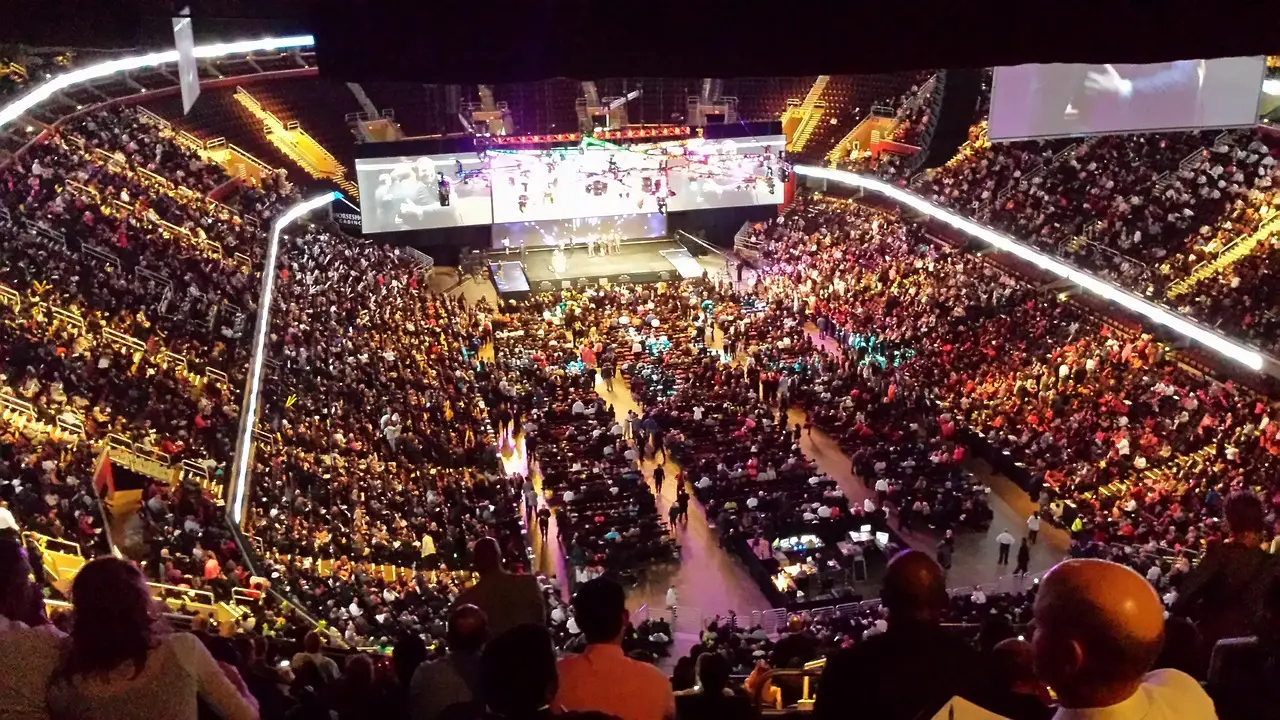
More than 100 national leaders, plus UN Secretary-General António Guterres, gathered in the Turkish coastal city of Antalya on the first day of the COP31 Leaders' Summit. Their stated mission: build political momentum behind electrification, one of the summit's top priorities, and signal a shared commitment to tackling climate change.
The host set the tone early. Recep Tayyip Erdoğan, President of the Republic of Türkiye, told the assembled leaders: "Respect for nature lies at the heart of our civilisation. Earth is a sacred trust that must be protected and cared for." He added that this culture, "which considers bread as fertility, water as holy, and a tree as life, serves as our compass in our environmental and climate policies."
What did Türkiye put on the table?
Erdoğan backed the rhetoric with a concrete move. Türkiye published its own National Energy Plan earlier this month, and the president hosted a leader-level event on electrification, attended by Guterres, to discuss opportunities and barriers to progress.
The president framed his country's decarbonisation drive in broad terms. "From energy to industry, and transport to agriculture, we are guided by green transition across all the sectors in our economy, restructuring them with the aim of decarbonization," he said. "We are increasing our renewable energy investments, boosting energy efficiency, and promoting clean transport solutions."
COP31 President Murat Kurum made the economic case, arguing that climate action and national interest overlap far more than they conflict. "Using energy more efficiently makes energy supplies more secure. Investing in water strengthens food security. Clean technologies create opportunities for industry and employment," Kurum said. His summary: "Well-designed climate action is an investment in prosperity, security and competitiveness."
Why focus on heavy industry?
Industry accounts for roughly a quarter of direct global CO2 emissions — a share that makes factories and production lines impossible to skip in any serious decarbonisation plan.
That's the logic behind the second leader-level event on Green Industrialisation, where the presidency built political support for the Antalya Green Industrialization Compact. The Compact aims to accelerate investment in, and create markets for, near-zero and low-emissions industrial production.
It also serves the presidency's wider targets on electrification and circularity. Electrifying industrial processes and using more circular materials both count as key mechanisms for cutting industry's carbon footprint, according to the summit's framing.
How serious is the waste problem?
The numbers explain the summit's Zero Waste focus. The waste sector produces around 20% of human-caused methane emissions. Methane is a greenhouse gas roughly 80 times more potent than carbon dioxide at trapping heat in the atmosphere.
The Zero Waste event, addressed by First Lady Emine Erdoğan, aims to strengthen political support for two targets:
- Cutting the projected growth in global municipal solid waste generation by at least 50% by 2035.
- Raising the global circular material use rate to at least 15%.
What else launched on day one?
The opening day carried a busy side agenda. The COP31 High-Level Champion launched the #OneBillion Challenge, which aims to mobilise people and organisations to reduce food waste. Supported by the Zero Waste Foundation, the challenge brings together households, businesses, cities, organisations and communities to take action, showcase solutions, and share results.
A Global High-Level Dialogue on Methane Emissions from the Waste Sector also convened, tasked with identifying policies and projects that can drive methane reduction forward.
In the morning, the presidency launched the Circularity Knowledge Sharing Network. Its job: speed up the integration of circular economy approaches into climate policy and help solutions that already work get adopted and scaled. At both events, the presidency issued a voluntary call urging attendees to reaffirm their commitments and take practical action.
The summit continues against a backdrop of familiar pressures. Political momentum is one thing; whether voluntary compacts, national energy plans and knowledge-sharing networks translate into measurable emission cuts is the question that will outlast the gathering in Antalya.
via environewsnigeria.com (Source)
More from Nathan Brooks
Show full bio
Market editor covering companies, deals and strategy in general science news at SciBeat.
456 articles
Nearby plates
- Turkey Opens COP31 Climate Summit Amid 'Greenwashing' Accusations
- Kazakhstan Signs $1.2 Billion in Energy Deals at COP31
- COP31 Week Two Opens With Finance and Fossil Fuel Deadlocks Unresolved
- COP31 Launches 35-by-35 Pledge to Electrify the World Economy
- Ministers Press Türkiye and Australia to Advance Fossil Fuel Exit Roadmap