Recorded November 19, 2026
Biology & EvolutionReported finding
Returning Large Herbivores to Europe Could More Than Double Vegetation Consumption
A fossil-based study estimates restored large herbivore communities could more than double vegetation consumption in Mediterranean Europe, curbing wildfire fuel — but benefits vary by habitat.
By Priya Raman4 min read736 words
In brief
- Restored herbivore communities could raise Mediterranean vegetation consumption from 4.45 to 10.58 tonnes of dry matter per km² per year.
- Study reconstructs Early Holocene assemblage of 10 species, including aurochs, European wild ass and wild horse, from ~12,000–6,000 years ago.
- Analysis of 17 priority conservation habitats shows benefits vary by local conditions and population densities.
- Published in Ecosystem Services (2026), DOI: 10.1016/j.ecoser.2026.101929, led by Marco Davoli with University of Zaragoza researcher Flavia Strani.
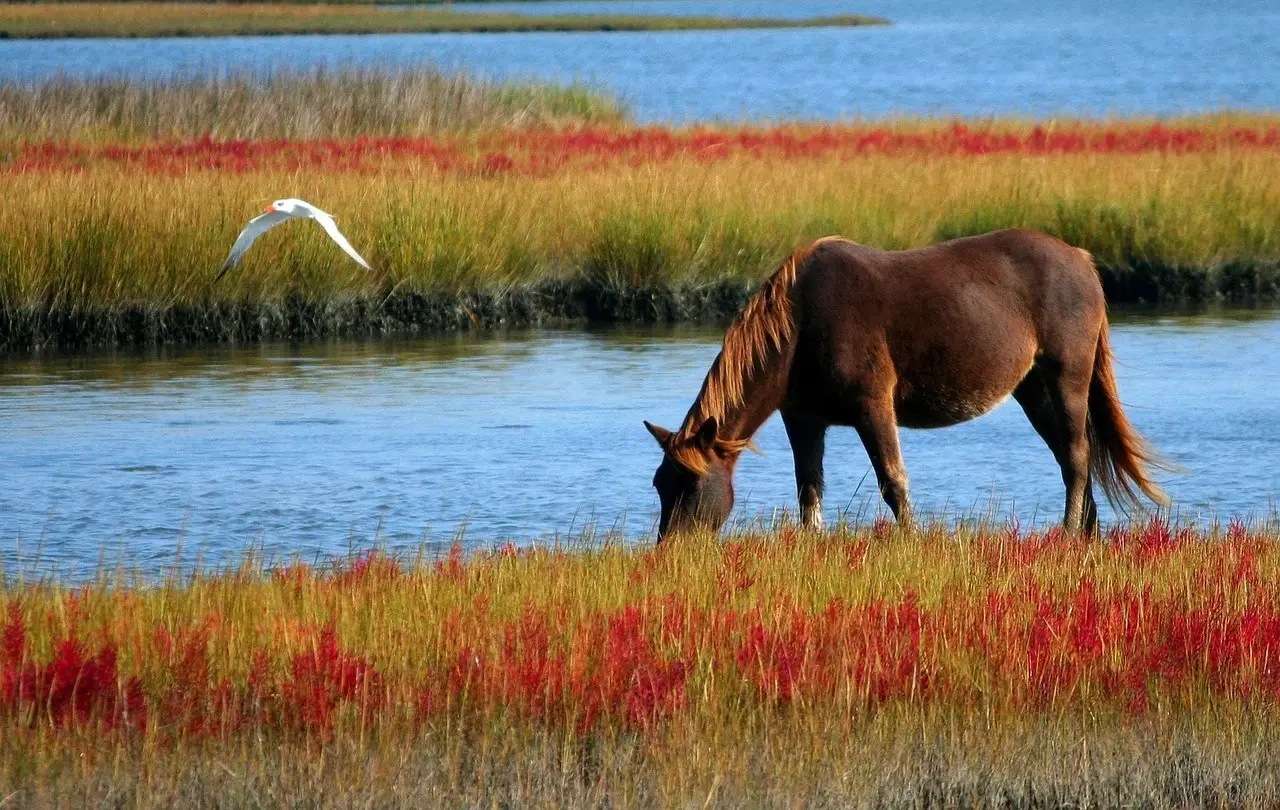
Restoring communities of large herbivores to European rural landscapes could raise vegetation consumption in Mediterranean ecosystems from 4.45 to 10.58 tonnes of dry matter per square kilometer per year — more than double what present-day animal communities achieve — according to an international study published in the journal Ecosystem Services in 2026. That increase could slow the buildup of combustible plant material, one of the key drivers of modern wildfire risk.
The research, led by Marco Davoli of Sapienza University of Rome and Aarhus University in Denmark, asks whether bringing back large grazing animals — an approach known as megaherbivore rewilding (the restoration of big plant-eating mammals to landscapes where they have vanished) — could help preserve Europe's traditional rural landscapes and reduce fire danger. Flavia Strani, a researcher at the Department of Earth Sciences and the University Institute for Environmental Sciences of Aragon (IUCA) at the University of Zaragoza in Spain, is among the co-authors.
Why did the researchers turn to the fossil record?
For thousands of years, large herbivores shaped European landscapes through their feeding, their movements and their interactions with the environment. They kept open spaces open, regulated vegetation growth and created a mosaic of habitats that supported numerous species. Their disappearance from many regions, combined with the abandonment of traditional farming and livestock grazing, has allowed woody vegetation to encroach on landscapes that once combined scattered trees, grasslands and shrublands. The result: more uniform landscapes, biodiversity loss and accumulating biomass that can burn.
To imagine a way back, the team used Italy as a case study and drew on fossil evidence to reconstruct large herbivore communities from the Early Holocene (the geological epoch beginning roughly 12,000 years ago), from before the widespread expansion of agriculture, roughly 12,000 to 6,000 years ago. The reconstruction identified a potential assemblage of 10 species: deer, wild boar, ibex and brown bears, alongside animals that have vanished from some regions or died out in the wild, such as the aurochs (the wild ancestor of domestic cattle), the European wild ass and the wild horse.
The researchers then compared the ecological functions of today's animal communities with those these more diverse assemblages could potentially provide, examining vegetation consumption, feeding strategies, functional diversity and seed dispersal capacity.
"The fossil record is key to understanding what truly natural habitats looked like — those that existed before they were significantly affected by human activities," Strani explained. "To move forward in this direction, we need a thorough and systematic review of Pleistocene and Early Holocene mammal collections across Europe."
That systematic review, she added, would let scientists reconstruct which large herbivores lived in each region, at different points in the past and under which ecological conditions — information essential not only for reconstructing Europe's original ecosystems but also for scientifically assessing which species could be suitable candidates for reintroduction in specific environments.
What are the limits and the risks?
The findings come with clear caveats. More herbivores do not automatically benefit every ecosystem. Some habitats could gain from increased grazing; others, particularly those sensitive to herbivory pressure, could suffer. An analysis of 17 priority habitats for conservation showed that potential benefits vary considerably depending on local environmental conditions and animal population densities.
The study also looked beyond ecology. Through a scientific literature review and a SWOT analysis (a structured assessment of strengths, weaknesses, opportunities and threats), the team examined how wildlife restoration could affect rural economies and communities. Potential opportunities include nature-based tourism, landscape heritage conservation, the recovery of ecological processes and the integration of extensive livestock farming into land management that mirrors natural ecosystem dynamics. Potential risks include crop damage, competition for grazing resources, disease transmission between wildlife, livestock and humans, road accidents and social conflicts over the presence of large animals.
The authors conclude that restoration strategies must fit the ecological and social characteristics of each territory, supported by monitoring programs, damage-prevention measures and the active involvement of local communities. The study, published as Marco Davoli et al., "Assessing the potential ecological functions, ecosystem services and disservices of megaherbivore rewilding in traditional rural wood-pastures" (DOI: 10.1016/j.ecoser.2026.101929), does not propose a universal solution. Instead, it identifies where, how and under what conditions returning large herbivores could deliver real benefits for both ecosystems and people.
The past, in this case, may serve as a fuel map for the future.
via phys.org/rss-feed/ (Source)
More from Priya Raman
Show full bio
Senior reporter covering people, launches and day-to-day practice in general science news at SciBeat.
549 articles
Nearby plates
- Climate Change Tripled Iberia's Record 2025 Fire Burned Area
- African Groups Denounce Wildlife Carbon Markets as 'Carbon Colonialism'
- 96 European grasslands reveal which management favors wild bees
- Half of These Rainforest Ferns Are Under Six Million Years Old
- When Humans Vanished, Biodiversity Dropped 40% — Black Death Study