Recorded November 26, 2026
Space & AstronomyReported finding
Rocket Lab's 101st Mission Launches Japanese Radar Satellite Tonight
Rocket Lab's 101st mission, "Night Owls Never Sleep," launches a Synspective radar satellite at 7 p.m. ET on Nov. 26 — the 14th flight in a 47-mission commercial contract.
By Priya Raman3 min read628 words
In brief
- Launch window opens 7:00 p.m. ET on Nov. 26 from Rocket Lab's New Zealand site.
- This is Rocket Lab's 101st mission overall: 92 Electron orbital flights and 9 HASTE suborbital flights.
- The satellite, a Strix radar craft for Synspective, will be deployed at 569 km altitude.
- September's deal added 20 Electron missions for 2028–2031, bringing Synspective's contracted total to 47.
- Today marks Rocket Lab's 14th launch for Synspective to date.
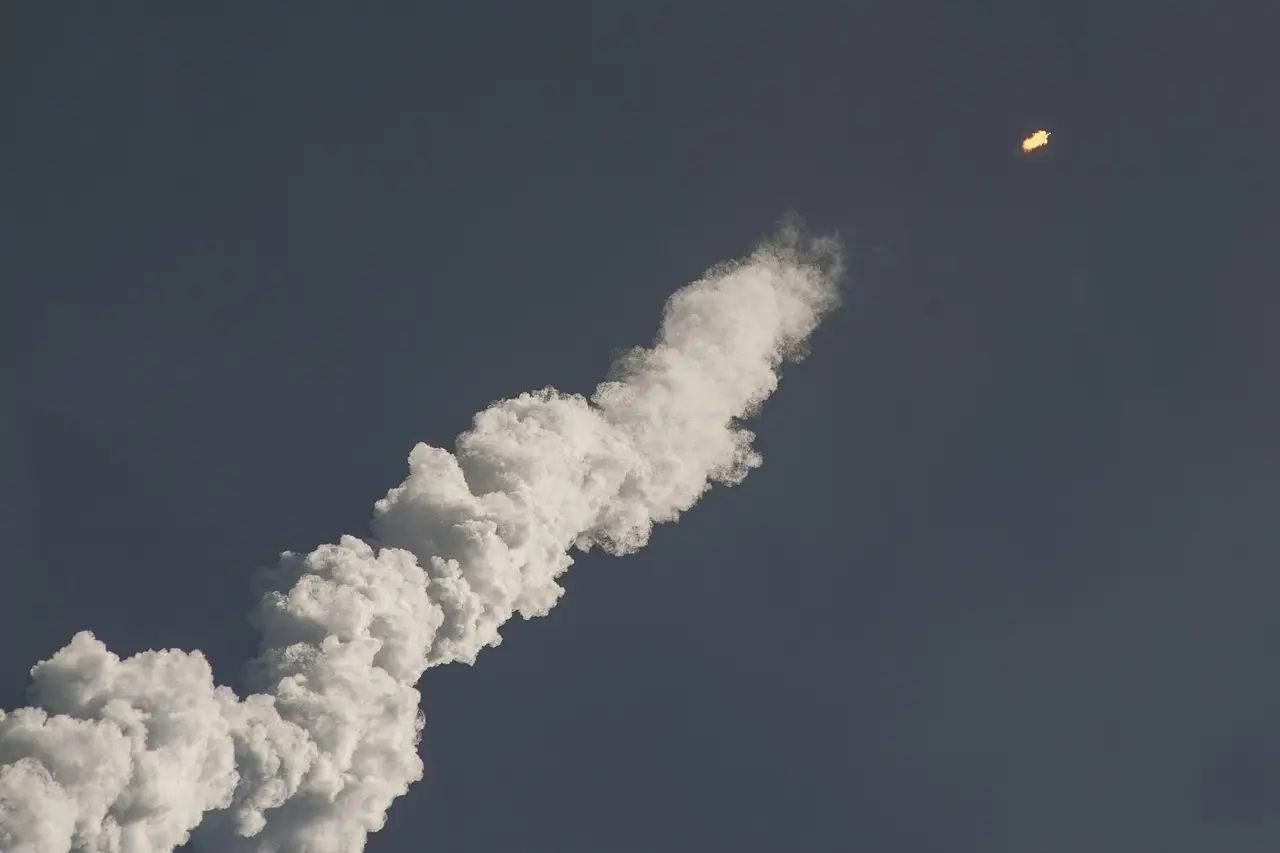
A launch window opens at 7:00 p.m. ET today, Nov. 26, and if the schedule holds, Rocket Lab will fly the 101st mission in its history before the evening is out. The flight, named "Night Owls Never Sleep," will carry a radar imaging satellite for the Tokyo-based Earth-observation company Synspective, boosting a constellation designed to photograph the planet in any light and any weather.
An Electron rocket is scheduled to lift off from Rocket Lab's New Zealand launch site during the window, which corresponds to 1:00 p.m. on Nov. 27 local time in New Zealand. Rocket Lab will begin streaming the launch about 30 minutes before liftoff, and Space.com will carry the company's feed if, as expected, it is made available.
What is the satellite supposed to do?
Synspective is building a network of spacecraft called Strix, each equipped with synthetic aperture radar, or SAR — a technique that uses radio waves rather than visible light to build detailed pictures of Earth's surface. Because radio waves do not depend on sunlight, a SAR satellite can image the ground in darkness as well as daylight. They also pass through cloud cover, which ordinary optical cameras cannot do. The result is something like an all-weather, around-the-clock surveillance system for the planet.
The company's ambition extends well beyond a handful of satellites. Synspective ultimately aims to operate a constellation large enough to image any location on Earth at intervals of just a few hours — a revisit rate that would let customers track changing conditions on the ground, from flooding to urban growth, nearly in real time.
How high will it fly?
If all goes to plan today, the Electron's kick stage — a small upper stage that fine-tunes the rocket's final placement — will deploy the Strix satellite into low Earth orbit at an altitude of 569 kilometers, or about 353.6 miles, above the planet.
Why does this launch matter commercially?
Today's flight is the 14th Rocket Lab mission flown for Synspective to date, and the partnership between the two companies is deepening. At the end of September, Rocket Lab announced a deal for an additional 20 Electron missions between 2028 and 2031, which the company described as the largest commercial launch contract in the rocket's history. That agreement brought Synspective's total number of contracted Electron flights to 47.
The numbers frame the scale of the relationship: 14 missions flown, 33 more booked, and a decade-long pipeline of radar satellites waiting for rides to orbit.
Where does mission 101 fit in Rocket Lab's history?
The milestone tally reveals how the company divides its work. Of the 101 missions in Rocket Lab's history, 92 have been orbital flights flown by Electron. The remaining nine used HASTE, a suborbital variant of Electron that lets customers test sensors and other equipment in the hypersonic flight environment — the regime of flight above roughly five times the speed of sound, where vehicles experience extreme heat and pressure.
One hundred orbital and suborbital flights from a small-satellite launcher is a marker of how routine dedicated small-rocket launches have become since Electron's debut.
When and where to watch
The launch window opens at 7:00 p.m. ET (0000 GMT) on Nov. 26 — which is 1:00 p.m. on Nov. 27 at the New Zealand launch site. Coverage begins roughly 30 minutes before liftoff on Rocket Lab's stream, with Space.com expected to carry the feed.
As always with launch schedules, weather and technical checks can shift the window, so preliminary times remain subject to change.
A radar satellite that never sleeps, on a rocket flying for the hundred and first time.
via space.com (Source)
More from Priya Raman
Show full bio
Senior reporter covering people, launches and day-to-day practice in general science news at SciBeat.
611 articles
Nearby plates
- Amazon schedules 36-satellite Ariane 6 launch after 40-satellite loss
- Rocket Lab Reaches 100th Mission With Nov. 14 Electron Launch
- $73.5 Million More for Space Mirrors That Sell Sunlight After Dark
- MMX Launches: First Mission to Land on Mars's Moon Phobos
- Quantum Computer Operates in Orbit for the First Time