Plate Nº 22 · recorded November 14, 2026
Space & AstronomyReported finding
Rocket Lab Reaches 100th Mission With Nov. 14 Electron Launch
Rocket Lab's 100th mission, "The Mountain God Rises," launches Nov. 14 at 12:30 a.m. EST from New Zealand, carrying a Japanese radar satellite — the fastest century for a commercial rocket.
By Marcus Bennett3 min read527 words
In brief
- Rocket Lab's 100th mission launches Nov. 14 at 12:30 a.m. EST from New Zealand
- Electron has a 96% reliability rate across 99 launches, per CEO Peter Beck
- The mission is Rocket Lab's 11th launch for Tokyo-based iQPS
- The satellite will deploy 357 miles (575 km) above Earth
- No commercially developed rocket has reached 100 launches faster, not even Falcon 9
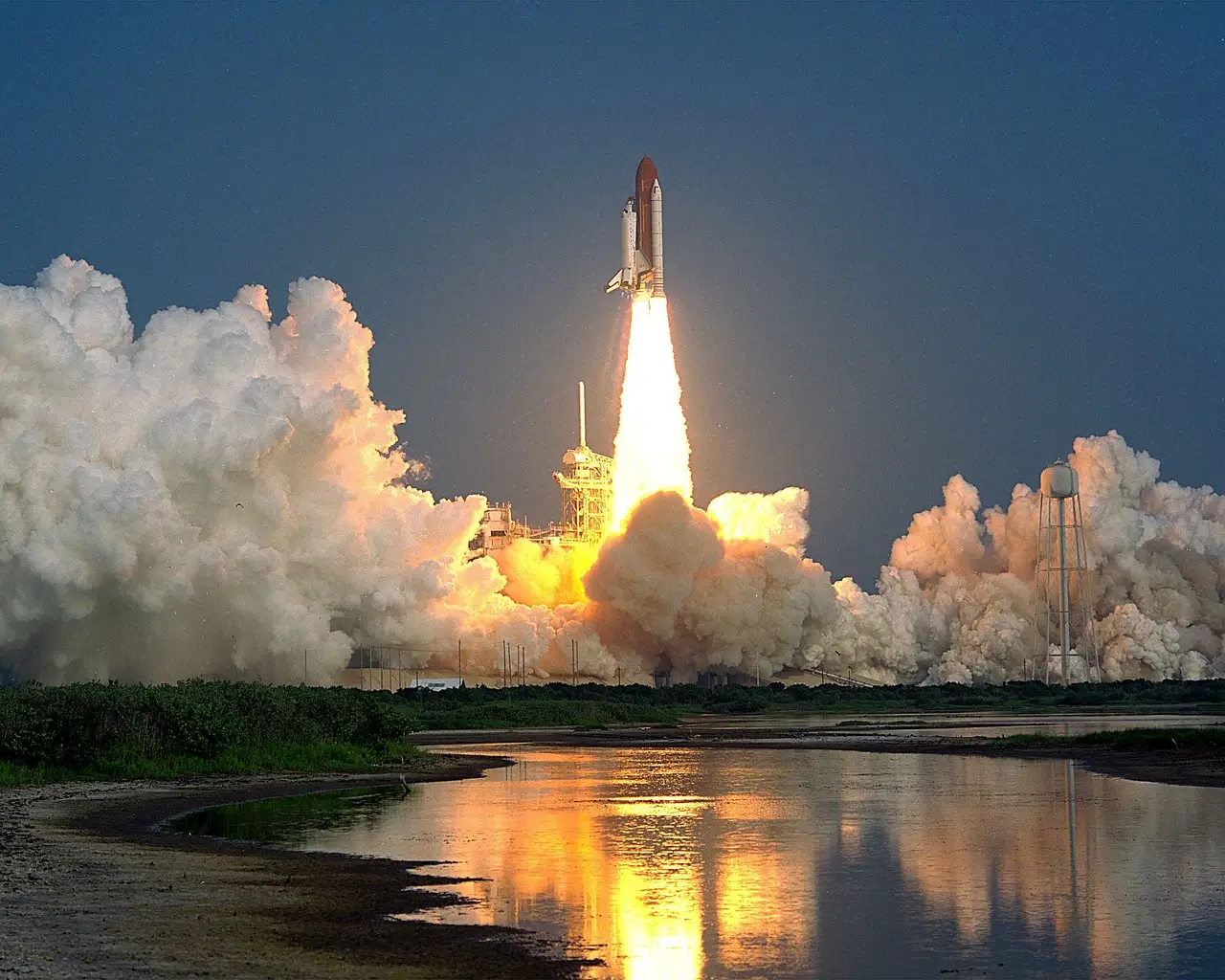
Rocket Lab will fly its 100th mission early on Saturday, Nov. 14 — and no commercially developed rocket has reached that mark faster, not even SpaceX's Falcon 9.
An Electron rocket topped with a private Japanese Earth-observing satellite is scheduled to lift off from Rocket Lab's New Zealand site during a window that opens at 12:30 a.m. EST (0530 GMT; 6:30 p.m. local time). The company calls the mission "The Mountain God Rises." Coverage begins about 30 minutes before launch on Rocket Lab's own stream, with Space.com carrying the feed if, as expected, it becomes available.
What makes 100 launches unusual?
Rocket Lab first flew in May 2017, when the brand-new Electron launched on a test flight from New Zealand. That effort failed. Electron recovered on its second liftoff, delivering several cubesats to low Earth orbit (LEO) in January 2018.
Since then, the 59-foot-tall (18 meters) rocket has become one of the most prolific and reliable small launchers in the world, carrying small payloads for a wide range of customers.
Founder and CEO Peter Beck framed the milestone during the company's third-quarter earnings call with investors on Monday, Nov. 9.
"It's an unprecedented milestone for a commercial small-lift orbital rocket, and a threshold rarely crossed in modern spaceflight," Beck said. "But what matters most to us and our customers is that we have achieved a 96% reliability rate across 99 launches."
In short: the pace is the record, but the reliability figure is what Rocket Lab sells.
What is flying on the 100th mission?
The payload belongs to iQPS, a Tokyo-based company building a constellation of three dozen synthetic aperture radar (SAR) satellites in low Earth orbit. "The Mountain God Rises" is Rocket Lab's 11th launch for iQPS to date.
If all goes to plan, Electron's upper "kick stage" — a small propulsion module that places satellites into precise orbits — will deploy a single iQPS spacecraft 357 miles (575 kilometers) above Earth.
SAR satellites use radar rather than visible light to image the planet. That lets them see through cloud cover and work at night as well as during the day, a key advantage over optical-wavelength spacecraft that depend on sunlight and clear skies.
For radar satellite operators, that means more consistent imaging regardless of weather or time of day.
Why is the rocket painted differently?
Electron will mark the occasion with a special paint job on its first stage.
"Black rocket 🤝 Golden milestone. Electron is all dressed up for launch 100," Rocket Lab posted on X on Tuesday, Nov. 10, alongside a photo of the specially painted booster.
Do all 100 missions count the same?
Not quite. Nine of Rocket Lab's missions were suborbital, flown on a variant of Electron called HASTE, which customers use to test technologies in a hypersonic flight environment. Beck's 96% reliability figure covers the 99 launches to date.
The takeaway: watch the stream at 12:30 a.m. EST on Nov. 14 — if Electron flies, a small-lift rocket will have reached 100 missions faster than any commercial rocket before it.
via space.com (Source)
More from Marcus Bennett
Show full bio
News editor covering regulation, policy and their impact on general science news at SciBeat.
408 articles
Nearby plates
- Vulcan Centaur Returns to Flight With 40 Amazon Leo Satellites
- SpaceX Aims for First Starship Orbital Flight on 14th Test
- Starship Flight 15 Launches Nov. 13 — Here's How to Spot It
- SpaceX Readies Double Catch of Starship Booster and Ship on Flight 15
- SpaceX Aims for First-Ever Double Starship Landing on Friday