Plate Nº 65 · recorded November 16, 2026
Earth & ClimateReported finding
Same Weather, Same Fires: Study Explains Europe's Simultaneous Wildfires
Persistent weather regimes over Scandinavia and the North Atlantic can trigger synchronized wildfires across Europe, ETH Zurich researchers found, enabling warnings up to two weeks ahead.
By Elena Vasquez3 min read570 words
In brief
- Satellite fire data from 2001 to 2020 links seven weather regimes to synchronized European wildfires.
- Early warnings based on weather regimes could extend from a few hours to up to two weeks ahead.
- A summer high over Scandinavia favors fires in the far north, Italy and the Balkans simultaneously.
- Only one regime—Greenland blocking—suppressed synchronous fires across the 20-year record.
- The study appears in Communications Earth & Environment (2026), DOI: 10.1038/s43247-026-03956-4.
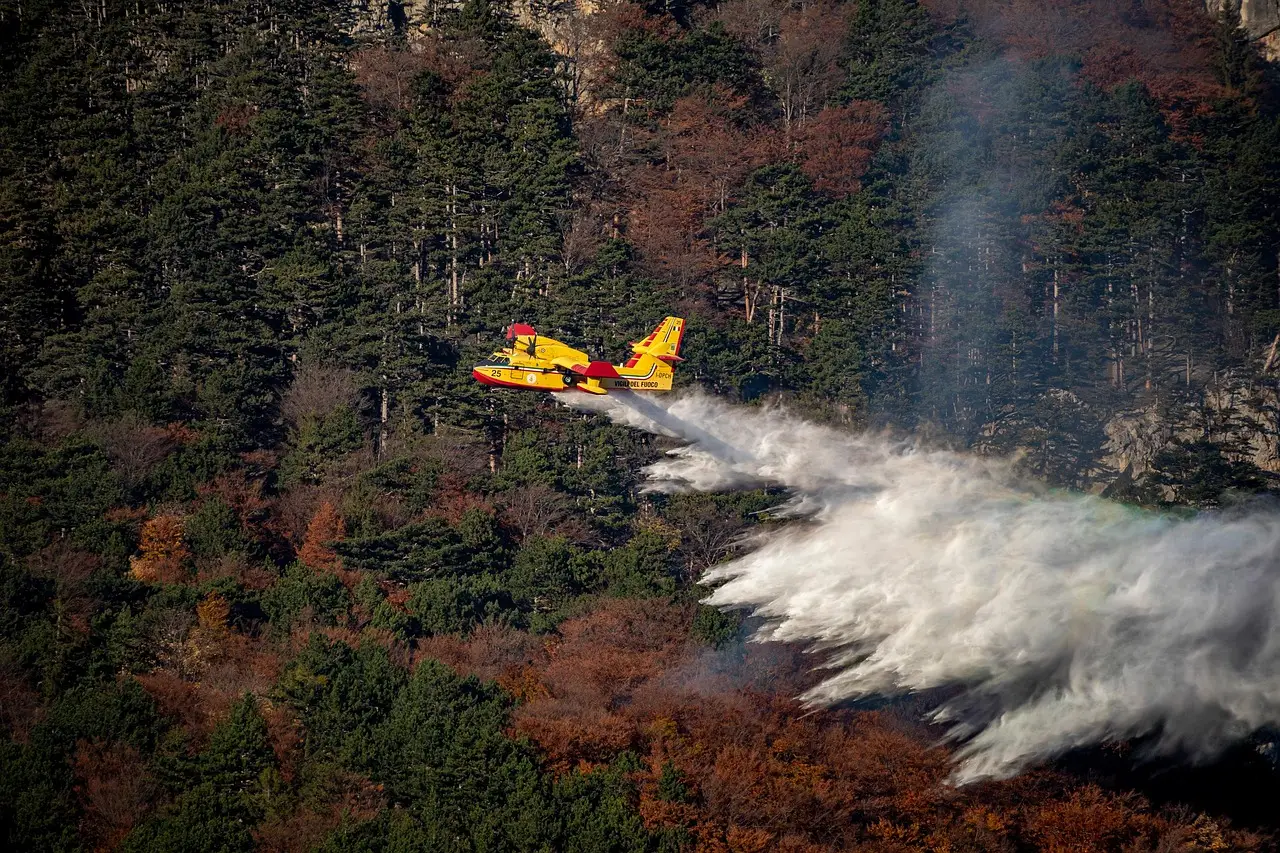
A single weather pattern parked over Scandinavia can set forests ablaze from the far north to Italy and the Balkans at the same time, according to a new study that could stretch fire warnings from hours to two weeks.
The research, published in the journal Communications Earth & Environment, shows that specific large-scale weather regimes—persistent patterns lasting several days to weeks—drive synchronized wildfires across distant European regions. When several countries burn at once, firefighting aircraft, helicopters and fire crews are stretched thin. Knowing where fires will cluster, before they start, would let officials allocate those scarce resources in advance.
Xinhang Li, a forest fire expert and lead author, analyzed satellite data covering 2001 to 2020 to work out which weather regimes favor fires in which regions. She conducted the work in the group of Manuela Brunner, professor of hydrology and climate impacts in mountain regions at ETH Zurich and the WSL Institute for Snow and Avalanche Research SLF in Davos.
"Our findings help with developing better early warning systems for synchronous forest fires," Li said. Such systems could push forecasts from a few hours to up to two weeks ahead, buying fire crews vital preparation time.
Why do fires erupt in several countries at once?
A weather regime, in plain terms, is a big atmospheric setup that holds the weather steady—warm and dry, or cool and rainy—for days or weeks at a stretch. Li's results show these regimes stitch together fire risk across regions that sit far apart.
Some findings surprised the team. A stable high-pressure area over Scandinavia in summer favors fires not only in the far north but also in Italy and the Balkans. Flip the script in spring: a stable low-pressure area over Scandinavia then favors fires on the Iberian Peninsula and in the Balkans.
"Such synchronous fires across multiple regions aren't something we're inventing—they already exist," Li said.
The effect is not exotic. In the summer of 2026, forests in France and Spain burned simultaneously, forcing tens of thousands of people to evacuate. A high-pressure system over the North Atlantic drove weeks of windy conditions, combined with hot and dry summer weather.
"These synchronous fires occurring under these weather conditions are consistent with my findings," Li explained.
The study also found sharp regional fire seasons. Scandinavia and Southern Europe mainly burn in summer. Forests in Germany, the U.K. and Central Europe, by contrast, burn more often in spring. The Alps and France showed no such distinct pattern. Timing, in short, matters as much as location.
What limits the findings?
The study rests on satellite records, and satellites have a blind spot. "From space, you can only see forest fires once they're large enough," Li said. Many small fires never make it into her dataset. She also excluded fires in built-up areas and on agricultural land, because in farming regions it is often unclear whether a blaze was deliberate or accidental.
Of the seven weather regimes examined, only one consistently suppressed synchronous fires between 2001 and 2020. "When there's a high-pressure system over Greenland, called Greenland blocking, we have a low-pressure system over mainland Europe, and then it's relatively cold and damp there," Li said.
The takeaway is simple: Europe's wildfires are not isolated local accidents. Shared weather regimes tie them together, and that link can be forecast.
via phys.org/rss-feed/ (Source)
More from Elena Vasquez
Show full bio
Correspondent covering money, funding and market shifts around general science news at SciBeat.
451 articles
Nearby plates
- Climate Change Tripled Iberia's Record 2025 Fire Burned Area
- El Niño Drove Indonesia's 2026 Wildfires, Scientists Find
- NASA Finds 40% More Amazon Fires Than Satellites Officially Show
- Africa's Dry Season Has Shrunk Since 1990 — And So Has Its Wildfire Burn Area
- Indonesia's 2026 Fires Have Burned Nearly 2.9 Million Hectares