Plate Nº 86 · recorded November 15, 2026
Biology & EvolutionReported finding
São Paulo's Urban Sprawl Collapses Stream Food Webs, Study Finds
A Nature Cities study finds São Paulo's urbanization collapsed stream food webs from 190 connections to three, cutting energy flow 1,446-fold and threatening water for 22 million people.
By Nathan Brooks4 min read718 words
In brief
- Stream food webs dropped from 190 interactions in forested basins to 3 in fully urbanized areas.
- Energy flow through urban streams fell 1,446-fold compared with forested streams.
- Collapse appeared in basins with only 12.5% urban land cover.
- Study published August in Nature Cities, led by UFSCar's Victor Saito and USP's Luis Schiesari.
- Affected streams drain toward reservoirs supplying more than 22 million residents.
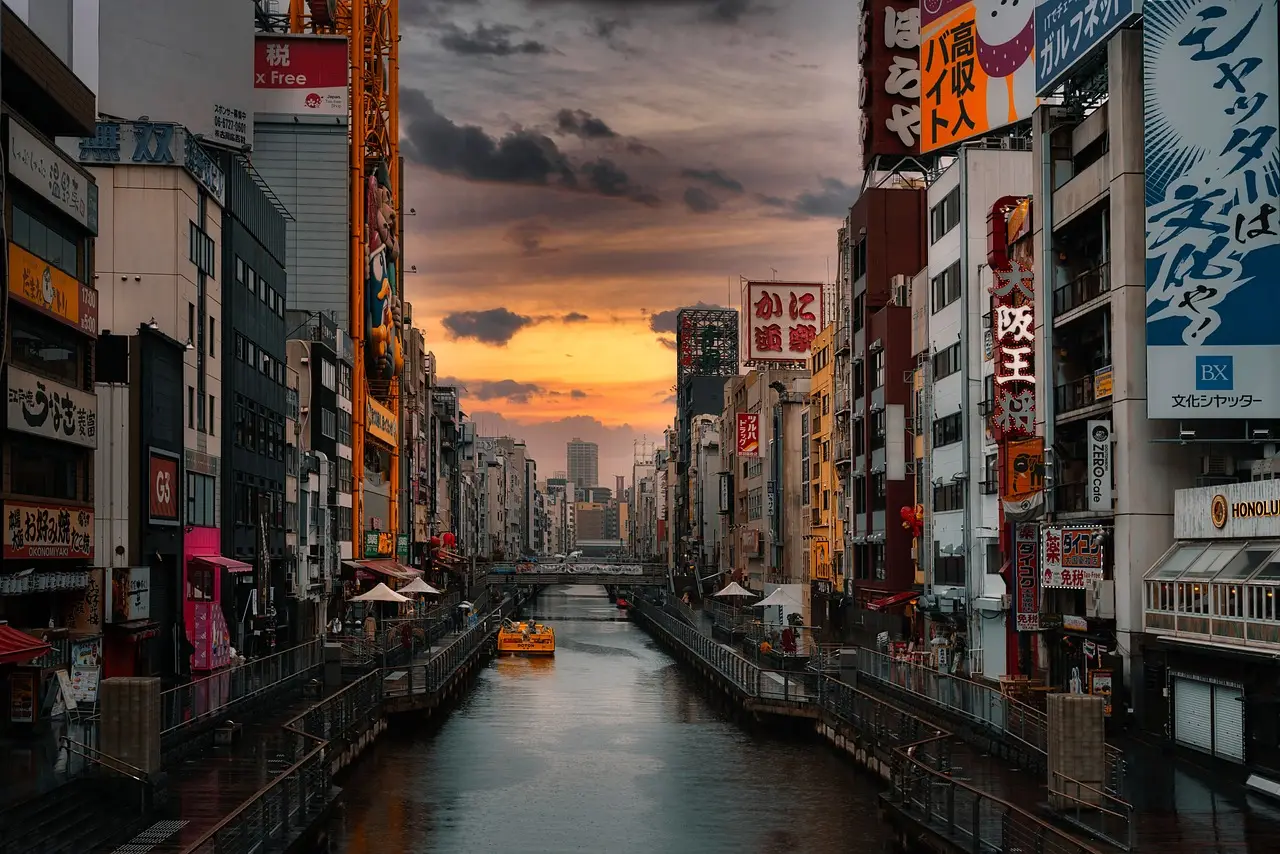
Stream food webs in the São Paulo Metropolitan Area collapsed from 190 ecological connections to just three as urbanization spread, according to a study published in August in the journal Nature Cities. The energy flowing through the most affected streams fell by a factor of 1,446 compared with forested ones — a more than thousandfold decline that threatens water quality for the region's more than 22 million residents.
The research, led by Victor Saito of the Federal University of São Carlos (UFSCar) and Luis Schiesari of the University of São Paulo (USP), shows that the damage goes well beyond losing a few species. Urban expansion selectively eliminates organisms based on body size, and that reshapes how the entire ecosystem works.
What did the researchers measure?
The team sampled headwater streams — the small waterways that feed larger rivers — across 30 micro-watersheds in the Upper Tietê region. The sites covered every stage of urbanization, from fully forested Atlantic Forest to completely built-up areas.
They collected fish and invertebrates at each site, recorded body sizes and feeding preferences, and reconstructed the local food webs. From those predation relationships, they estimated how much energy moves through each ecosystem.
The biodiversity loss wasn't random. Urban streams favored only small organisms, wiping out the very small, medium-sized and large ones. Because body size determines what an animal eats and what eats it, this selective extinction unravels the whole network.
"What we observed was the near-complete loss of biodiversity and the collapse of stream ecosystems even in the earliest stages of human occupation of the microbasin," Schiesari said. "The complexity of the food webs plummeted from 190 estimated interactions in fully forested microbasins to just three in fully urbanized areas."
How early does the damage appear?
Strikingly, the collapse shows up in micro-basins with only 12.5% urban coverage and substantial forest remaining. Degradation kicks in right at the start of urbanization, not gradually as land conversion proceeds.
Saito offered a concrete image: "We can imagine a food web as a mesh: the more threads and connections it has, the more complex the possibilities of energy transfer. Urbanization removes these threads until only a small, simplified and potentially fragile network remains."
Why does this threaten drinking water?
Complex food webs slow the movement of matter through streams, allowing slow, complete processing that breaks down toxic pollutants. Simplified webs do the opposite.
"In streams with simple food webs, matter flows faster and is deposited, after incomplete processing, in the lowest points of the terrain," the researchers note. Those low points are exactly where public-supply reservoirs sit — including the Billings Reservoir, which receives water from several micro-basins sampled in the study.
"Each stream within a watershed contributes to the formation of major rivers and reservoirs that supply public water systems," Saito said. "When a stream stops processing organic matter and pollutants, those substances flow freely into larger systems, damaging the public use we depend on."
Can the trend be reversed?
The study stands out because it analyzes urbanization on several levels at once — species counts, organism sizes, food web structure, and energy and carbon flux. That combination shows transformation cascading through every layer of ecological organization.
The authors argue streams should be treated as complete ecosystems, not just channels running through cities. Preserving intact streams should come first, they say. For degraded ones, the prescription includes wastewater treatment, improved water quality, and restored vegetation along the banks.
Restoration, Saito stressed, must rebuild function rather than appearance: "Restoring a stream doesn't just mean improving its appearance or the quality of the water. It means restoring the conditions necessary for its biodiversity, ecological interactions and energy flows to function again."
Alongside UFSCar and USP, the study involved scientists from São Paulo State University (UNESP), the State University of Campinas (UNICAMP), the Federal University of ABC (UFABC), and the University of Canterbury in New Zealand. The paper appears as Victor S. Saito et al., Urban expansion and the collapse of tropical stream ecosystems, Nature Cities (2026), DOI: 10.1038/s44284-026-00495-z. The findings come from a single metropolitan region, so extrapolating to other cities warrants caution — but for São Paulo, the message is blunt: urban streams are losing their ecological machinery at the very first signs of concrete.
via phys.org/rss-feed/ (Source)
More from Nathan Brooks
Show full bio
Market editor covering companies, deals and strategy in general science news at SciBeat.
373 articles
Nearby plates
- Tree-rich landscapes help birds and bats nearly double Peru's cacao yields
- Skin microbes may help young sawfish survive low-oxygen pools
- Some rivers lost flow between 1951 and 2020 even as rainfall rose
- 180 Million Water Tests Show Pollutants Hit Even Protected Rivers
- Microplastics Reach Wild Mammals' Blood 40 Miles From Any Human Infrastructure