Plate Nº 28 · recorded September 30, 2026
Neuroscience & MindReported finding
Scientists Create Mice with Part-Human Brains
Researchers have grown mice with human cells integrated into their brains, a step toward studying human neurobiology in living animals, The Guardian reports.
By Marcus Bennett2 min read352 words
In brief
- Scientists have created mice whose brains contain human cells, The Guardian reports.
- The hybrid animals serve as models for studying human brain biology that cannot be researched directly in people.
- The research raises ethical questions about how much human brain material animals may carry.
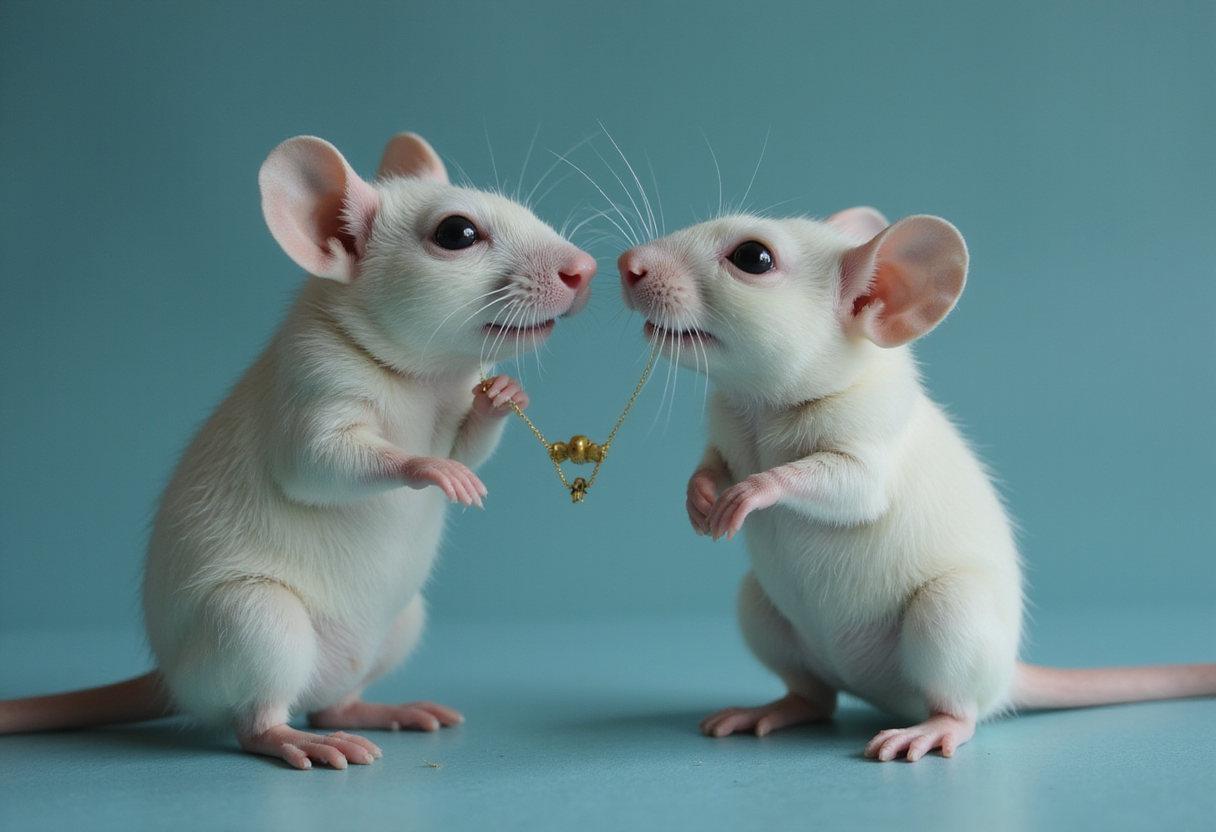
Researchers have created mice whose brains contain human cells, according to a report from The Guardian. The animals, often called hybrid or chimeric mice, carry living human brain tissue integrated into their nervous systems.
The work forms part of a broader scientific effort to study the human brain in ways that are impossible in people themselves. Because researchers cannot experiment directly on living human brains, they have long sought alternative models. Mice with human brain cells offer one such model.
The Guardian reports that scientists implanted human cells into developing mice, allowing those cells to grow and become part of the animals' brains. The resulting organisms are not fully human, but they are no longer ordinary mice either. Their brains mix cells of both species.
This kind of research sits at the intersection of neuroscience and ethics. On the scientific side, hybrid brains could help researchers study how human brain cells develop, connect, and function in a living system. That could eventually improve understanding of human brain disorders.
On the ethical side, the work raises uncomfortable questions. At what point does an animal with human brain material deserve special moral consideration? Regulators and ethicists have debated this question for years, and studies like this one keep the debate active.
Researchers in this field generally emphasize that the animals involved remain recognizably mice in behavior and biology. The human cells occupy only part of the brain, and the mice do not acquire human-like cognition. Still, oversight bodies in several countries monitor such experiments closely and set limits on how much human material may be used.
The findings are preliminary in the sense that hybrid brains remain an experimental tool rather than a clinical one. No therapy or diagnostic method currently depends on them. Their value, for now, lies in what they can reveal about basic human brain biology — a subject scientists still understand only partially.
The Guardian's report signals that this line of research is advancing. As techniques improve, the scientific community will likely face continued pressure to balance the potential medical benefits against the ethical concerns that hybrid organisms provoke.
via Google News: Neuroscience (Source)
More from Marcus Bennett
Nearby plates
- Stanford Study Suggests the Brain May Function as Two Organs
- Cooler Brain Tissue After Death May Boost Neuroscience Research
- Google Research Announces Complete Map of the Male Fruit Fly Brain
- Brain Wiring Starts Precise, Not Random, Mouse Study Finds
- Marmots Get an OnlyFans as US Science Funding Cuts Bite