Plate Nº 17 · recorded September 29, 2026
Biology & EvolutionReported finding
Scientists Identify Protein Cascade That Lets Plants Feel Touch
A three-protein cascade switched on within a minute of touch controls hundreds of genes, Lund researchers report in Nature Communications — explaining how plants sense and adapt to their surroundings.
By Elena Vasquez3 min read560 words
In brief
- A cascade of three protein groups (MAPKKK3/4/5, MKK4/5, MPK3/6) activates within a minute of mechanical stimulation in Arabidopsis thaliana.
- The pathway regulates hundreds of genes and influences thigmomorphogenesis — growth changes caused by repeated mechanical stress such as wind or herbivore attack.
- The study, published in Nature Communications (2026), is fundamental research; agricultural applications, like protecting cereals from lodging and drought, require further work.
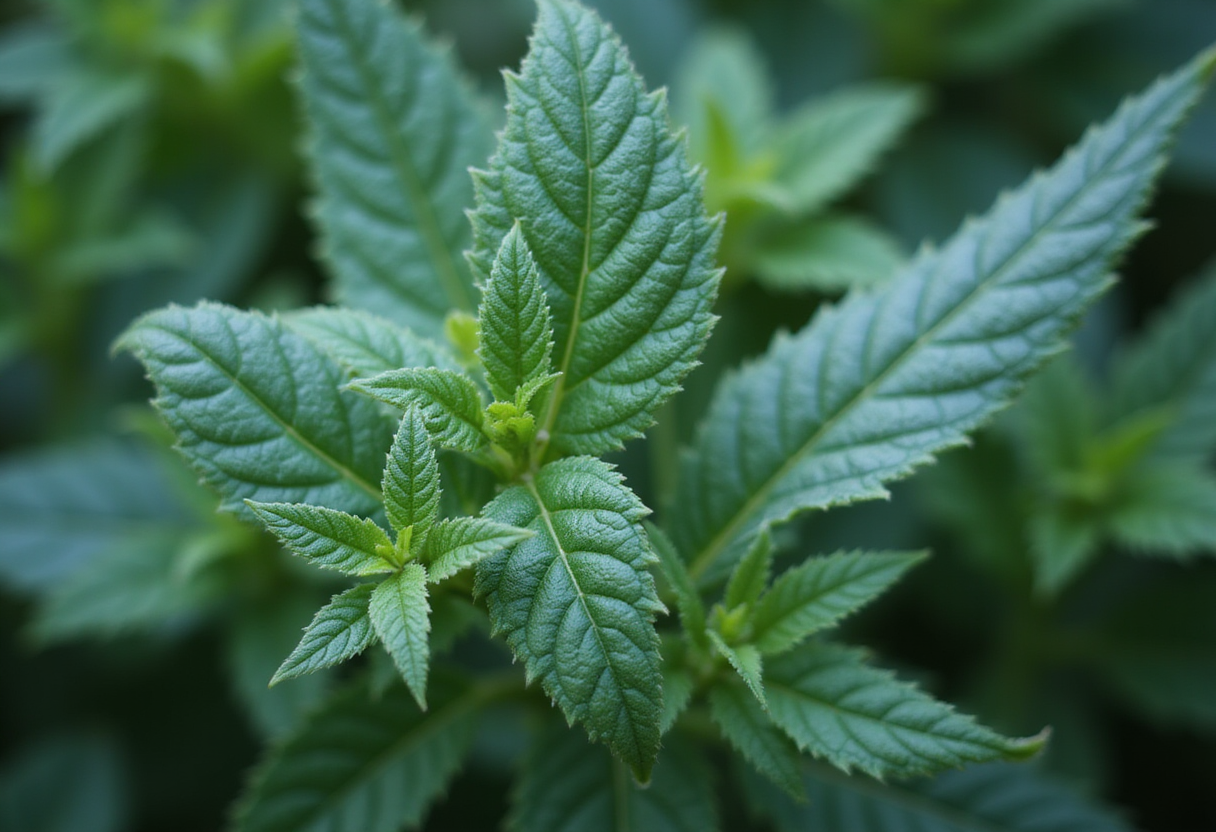
Plants cannot flee when wind picks up, rain lashes down, or a hungry herbivore starts chewing on their leaves. They have to sense their surroundings and adapt in place. Researchers at Lund University have now identified a key piece of the machinery that makes this possible: a chain of three proteins that switches on within a minute of physical contact and reshapes the activity of hundreds of genes.
The team, led by biology researcher Olivier Van Aken, performed the work on Arabidopsis thaliana, a small flowering weed related to mustard and cabbage and a standard laboratory plant. By subjecting it to different forms of mechanical stimulation and combining genetic, molecular and large-scale analyses of gene activity and proteins, the researchers tracked what happens inside the plant after touch or injury.
The study, published in the journal Nature Communications, shows that three protein groups — MAPKKK3/4/5, MKK4/5 and MPK3/6 — form a central signaling pathway. These molecules belong to a family called MAP kinases, proteins whose job is to pass signals from the cell's surface to its genetic machinery. Once triggered, they work like a row of falling dominoes: each protein activates the next, and the final one influences hundreds of genes, driving changes in plant growth.
Researchers have known for more than 25 years that mechanical stimulation activates MAP kinases. What was missing was the starting point of the signal and the link to the plant's later development.
"We have known for more than 25 years that mechanical stimulation activates MAP kinases, but a crucial piece of the puzzle has been missing: what triggers the signal and how it is linked to the plant's subsequent development. We have now identified that signaling pathway," says Van Aken.
The pathway also helps explain a long-observed phenomenon called thigmomorphogenesis — the way repeated mechanical stress, such as steady wind or recurring insect attacks, permanently alters a plant's growth, shape and defenses. A single touch produces a rapid response; repeated stimulation reprograms development.
"It is remarkable that a signal initiated within a minute can have such widespread effects," says Huy Cuong Tran, a biology researcher at Lund University and first author of the study.
The findings deepen our understanding of how plants perceive and adapt to their physical environment. In the long run, the research could help explain how plants cope with mechanical stress and how environmental conditions shape growth and resilience. But the authors are careful about expectations: this remains fundamental research, and further studies are needed before the results can be applied in agriculture.
There are early hints of practical promise, however. Ongoing research has shown, for example, that controlled rolling of cereal crops can protect plants against lodging — the phenomenon where stems bend or collapse — as well as against drought.
For the Lund team, the bigger picture is how organisms without nerves or muscles still manage a sophisticated awareness of the world.
"Plants may appear still and passive, but they are constantly monitoring what happens around them. By understanding the molecular mechanisms behind these signals, we can better understand how plants adapt to their environment and cope with changing conditions such as climate change," concludes Viktor Johansson, a Ph.D. student at Lund University.
The paper, by Huy Cuong Tran et al., appears in Nature Communications (2026), DOI: 10.1038/s41467-026-74994-x.
via Phys.org Biology (Source)