Plate Nº 23 · recorded September 29, 2026
Biology & EvolutionReported finding
Wild Tomatoes Still Hold the Flavor We Bred Away
BTI researchers mapped the gene 'dimmer switches' that control color, sweetness and bitterness in wild tomatoes, giving breeders precise targets for flavor.
By Marcus Bennett4 min read859 words
In brief
- Researchers compared gene activity in cultivated tomato and three wild relatives across three fruit tissues and up to four developmental stages.
- Cis regulatory changes — DNA differences near genes — affected up to 23.5% of active genes, versus no more than 4.6% for trans changes.
- The study, published in Genome Biology (2026), includes two newly assembled wild tomato genomes made freely available to researchers.
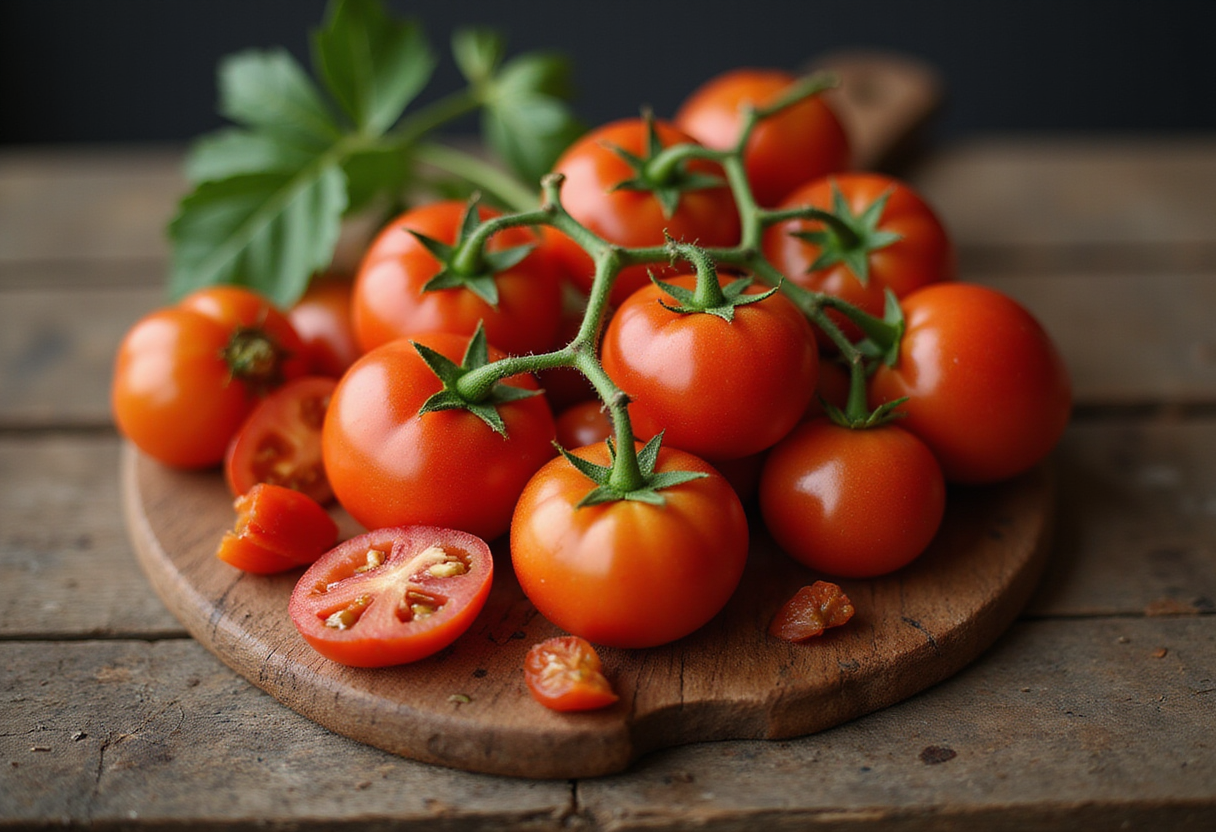
Modern tomatoes are a breeding success story. Decades of selection have made them bigger, firmer, more productive and easier to ship. But that progress came at a cost: domestication stripped away much of the crop's genetic diversity, and flavor has proven stubbornly hard to breed back in.
Tomato's wild relatives still carry much of what was lost. Some pack their fruit with high levels of lycopene, the red pigment behind tomato color and much of its nutritional value. Some store sugar differently. Others, like Solanum pennellii and Solanum neorickii, never turn red at all. Breeders have long wanted to know which genetic controls produce these traits — and which ones are worth bringing back.
A new study from the Boyce Thompson Institute (BTI), published in the journal Genome Biology, now offers a detailed map of those controls. The team, led by senior research associate Carmen Catala, professor Zhangjun Fei and USDA scientist James Giovannoni, compared how genes behave in cultivated tomato and three wild relatives across different fruit tissues and stages of development and ripening. The result is a list of specific genetic targets behind color, sweetness, bitterness and aroma.
Same outlet, different dimmers
Think of each gene as a lamp. Some shine brightly, some glow faintly, and that brightness shapes how a fruit grows, ripens and tastes. Two things can change a lamp's brightness.
One is a dimmer built into the lamp itself. Scientists call this a cis effect: a change in the DNA sitting right next to a gene, which controls how strongly that single gene turns on. The other is the building's wiring — a trans effect: a change elsewhere in the genome that alters the power supply, often affecting many genes at once.
From the outside, the two look identical. Either one makes a lamp brighter or dimmer. To tell them apart, the researchers crossed cultivated tomato with each wild species to produce hybrids. A hybrid carries one copy of every gene from each parent, and both copies operate in the same cells — effectively plugging the cultivated lamp and the wild lamp into the same outlet.
"The hybrid gives us a natural controlled experiment," said Fei. "Both versions of each gene sit in the same cells and receive the same regulatory signals. If one version is more active than the other, we know the difference is written into the DNA right next to that gene."
The researchers measured gene activity in three fruit tissues — the fleshy outer wall, the placenta, and the jelly around the seeds — at up to four stages from early development through ripening.
The results were strikingly consistent. In every species, tissue and stage examined, cis changes were the main driver of differences in gene activity, affecting up to 23.5% of active genes, compared with no more than 4.6% affected by trans changes. The number of genes with regulatory differences roughly doubled in the more distant wild relatives compared with S. pimpinellifolium, the closest relative of cultivated tomato. Many of these switches were also highly specific, working in only one tissue at one moment of fruit development.
Decoding color, sweetness and bitterness
The map explains several familiar fruit traits. In the green-fruited species, cis changes boost genes that steer the pigment pathway away from lycopene — which is why those fruits stay green.
Sweetness comes down to a matched pair of sugar-related genes. A gene that breaks down sucrose and another that blocks this process are regulated in a coordinated way in the green-fruited species, allowing those fruits to retain more sucrose.
The data also reveal a developmental switch for bitterness. Early in fruit development, trans regulation maintains high levels of bitter, defensive compounds called glycoalkaloids in young fruit. Later, cis changes in cultivated tomato convert those compounds into non-bitter forms as the fruit ripens — a pattern the study describes as "defense early, edibility at maturity."
"Breeders have always known wild tomatoes hold valuable traits, but their use in breeding introduces undesirable traits as well, necessitating time- and labor-intensive cleanup," said Giovannoni. "What they've lacked is a way to tell which of thousands of genetic differences is behind each trait to make selection more targeted. Now we can point to specific genes for selection, with effects in specific tissues, at specific moments in fruit development and ripening."
An open resource
The findings come with caveats typical of gene-regulation studies: the map identifies targets and mechanisms, but breeding tastier varieties still requires years of crossing and selection, and introducing wild traits can still disrupt yield, size or shelf life.
As Catala put it: "Wild tomatoes are an enormous reservoir of diversity for flavor, nutrition and resilience, but bringing those traits into modern varieties can come at the expense of other traits that breeders have spent decades improving. This can be countered with precise information on how the genes responsible for such traits are controlled."
To speed that work along, the team has made its data — including two newly assembled wild tomato genomes — freely available, giving breeders and researchers worldwide a head start on bringing the best of wild tomatoes back to the table.
via Phys.org Biology (Source)
More from Marcus Bennett
Nearby plates
- Scientists Identify Protein Cascade That Lets Plants Feel Touch
- New RNA Testing Guidance Could Deliver Clearer Genetic Diagnoses
- Why the Same Chemical Harms One Species and Spares Another
- 392 Million Records: New Database Maps Europe's Changing Food Risks
- New Immune Cell Atlas Links Genetic Variants to Disease Mechanisms