Recorded November 20, 2026
Science Policy & FundingReported finding
Scientists Urge Britain to Treat Healthy Seas as National Infrastructure
Researchers from Swansea University, Project Seagrass and KAUST argue marine ecosystems deserve the same decades-long planning commitment as roads and energy networks.
By Priya Raman3 min read659 words
In brief
- A 2026 paper in Nexus argues marine ecosystems are essential infrastructure
- Authors span Swansea University, Project Seagrass and King Abdullah University of Science and Technology
- Lead author Dr. Richard Unsworth calls for planning that outlasts elections and funding cycles
- A seagrass restoration project in West Wales is cited as a community-led model
- Paper DOI: 10.1016/j.ynexs.2026.100178
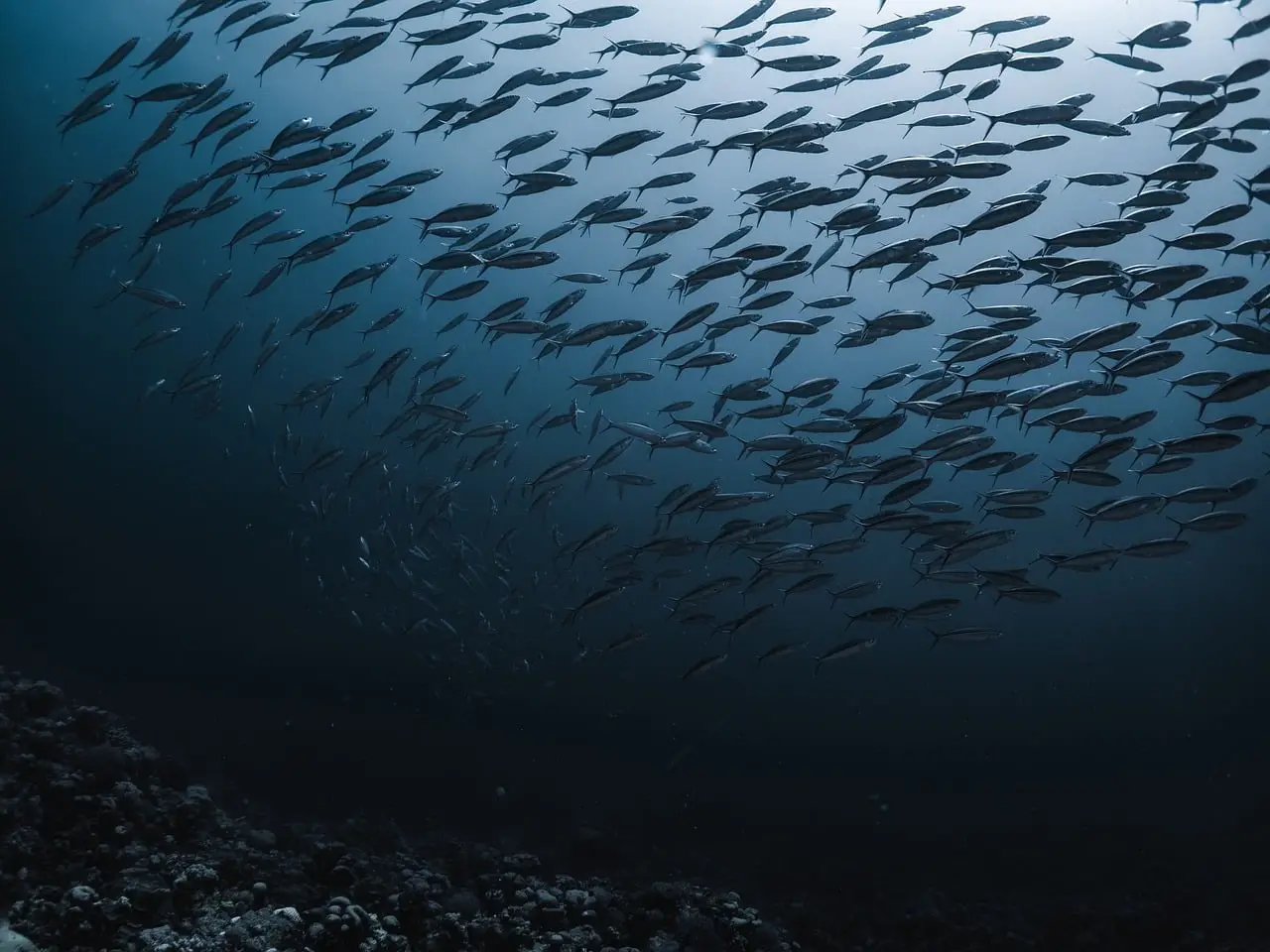
Healthy seas should sit alongside roads and power grids in Britain's national planning, according to a new paper published in the journal Nexus in 2026. Researchers from Swansea University, the charity Project Seagrass and King Abdullah University of Science and Technology (KAUST) argue that marine ecosystems are essential infrastructure — and that their protection deserves the same decades-long political and financial commitment.
What do the scientists want?
The core demand is simple: long-term investment in ocean recovery that survives elections and the end of individual funding programs. Lead author Dr. Richard Unsworth, an associate professor at Swansea University and chief scientific officer at Project Seagrass, framed the argument in familiar terms.
"We plan roads and energy networks for decades. We need that same long-term thinking for the living systems that support our food, coastlines and climate," Unsworth said. "When marine ecosystems deteriorate, the consequences reach well beyond wildlife. Protecting them is an investment in the security and well-being of communities."
The stakes for an island nation are concrete. The paper, drawing on existing research, connects the condition of marine habitats to decisions about fisheries, coastal protection and public spending. Seagrass meadows (underwater flowering-plant beds that shelter young fish and store carbon) and salt marshes (coastal wetlands that buffer storm surges) supply benefits the authors say governments currently fail to count.
Why is recovery getting harder?
The paper examines what the authors describe as an ocean polycrisis — the interaction of environmental decline, political instability and economic pressure. Warming seas and other stresses are damaging marine life. At the same time, weakening international cooperation and uncertain funding make sustained recovery more difficult to achieve.
For the researchers, this combination is precisely why piecemeal projects fall short. Ecosystems need time to recover, and that time must be paid for, including continued management and monitoring after the initial restoration work ends.
"Recovery takes time. A change of government or the end of a funding program should not mean abandoning years of work," Unsworth said. "We depend on healthy seas every day. Our commitment to their future needs to reflect that."
How should success be measured?
The paper takes aim at a common weakness in conservation: judging progress by maps rather than outcomes. Targets for the area protected or restored remain useful, the authors argue, but they must be paired with evidence that ecosystems are actually becoming healthier.
"We cannot judge success simply by drawing a boundary on a map or counting how many hectares we have planted," Unsworth said. "We need to know whether marine life is recovering, whether habitats are supporting fisheries and whether coastal communities are seeing the benefits."
That means, in his words, "investing in monitoring and being open about what is working and what needs to change."
What does good restoration look like?
The authors point to a seagrass ocean rescue project in West Wales as a working example. The initiative was developed with community involvement, and the researchers argue conservation is more likely to endure when local people help shape it and share in its benefits.
Their broader recommendations call for:
- Sustained public and private investment in marine recovery
- Restoration focused on places where recovery is scientifically realistic
- Coastal communities involved in decisions from the outset
- Funding that covers long-term management and monitoring, not just initial interventions
- Honest reporting on which conservation efforts deliver real ecological recovery
The paper is a commentary drawing on existing evidence rather than a report of new experimental results, so its proposals remain preliminary in the sense that no government has adopted them. Britain's marine policy will show whether the infrastructure framing takes hold.
As Unsworth puts it, the sea supports the country every day. The commitment to its future, he argues, needs to match that daily dependence.
The paper: Richard K.F. Unsworth et al., "Marine ecosystems are essential infrastructure in an era of ocean polycrisis," Nexus (2026). DOI: 10.1016/j.ynexs.2026.100178.
via phys.org/rss-feed/ (Source)
More from Priya Raman
Show full bio
Senior reporter covering people, launches and day-to-day practice in general science news at SciBeat.
549 articles
Nearby plates
- Ocean risks could raise food prices and weaken pensions worldwide
- Review cites 27% of marine protected areas as ‘paper parks’
- Africa's Underwater Meadows Need Urgent Protection, Scientists Warn
- Six Metrics Could Turn Reef Restoration Into Bankable Investment
- Scientists Map the Ocean's Climate Safe Zones, and Find Blind Spots