Recorded November 22, 2026
Biology & EvolutionReported finding
Seaweed Missing for 90 Years Found in Deep Forests Off Lord Howe Island
Adult Sargassum howeanum, unseen since 1935, was found in deep forests off Lord Howe Island. Survey data show Sargassum cover grew 22-fold from 2009 to 2022.
By Nathan Brooks3 min read635 words
In brief
- Adult Sargassum howeanum was last collected in 1935 and found again in 2022 at depths of 20–38 meters.
- Sargassum forest cover around Lord Howe Island grew 22 times between 2009 and 2022.
- Sea surface temperatures near the island have risen about 0.2°C per decade since 1985.
- Seaweed removes nearly 56 million tonnes of carbon from the atmosphere each year.
- Study published in Ecology, 2026, DOI: 10.1002/ecy.70547.
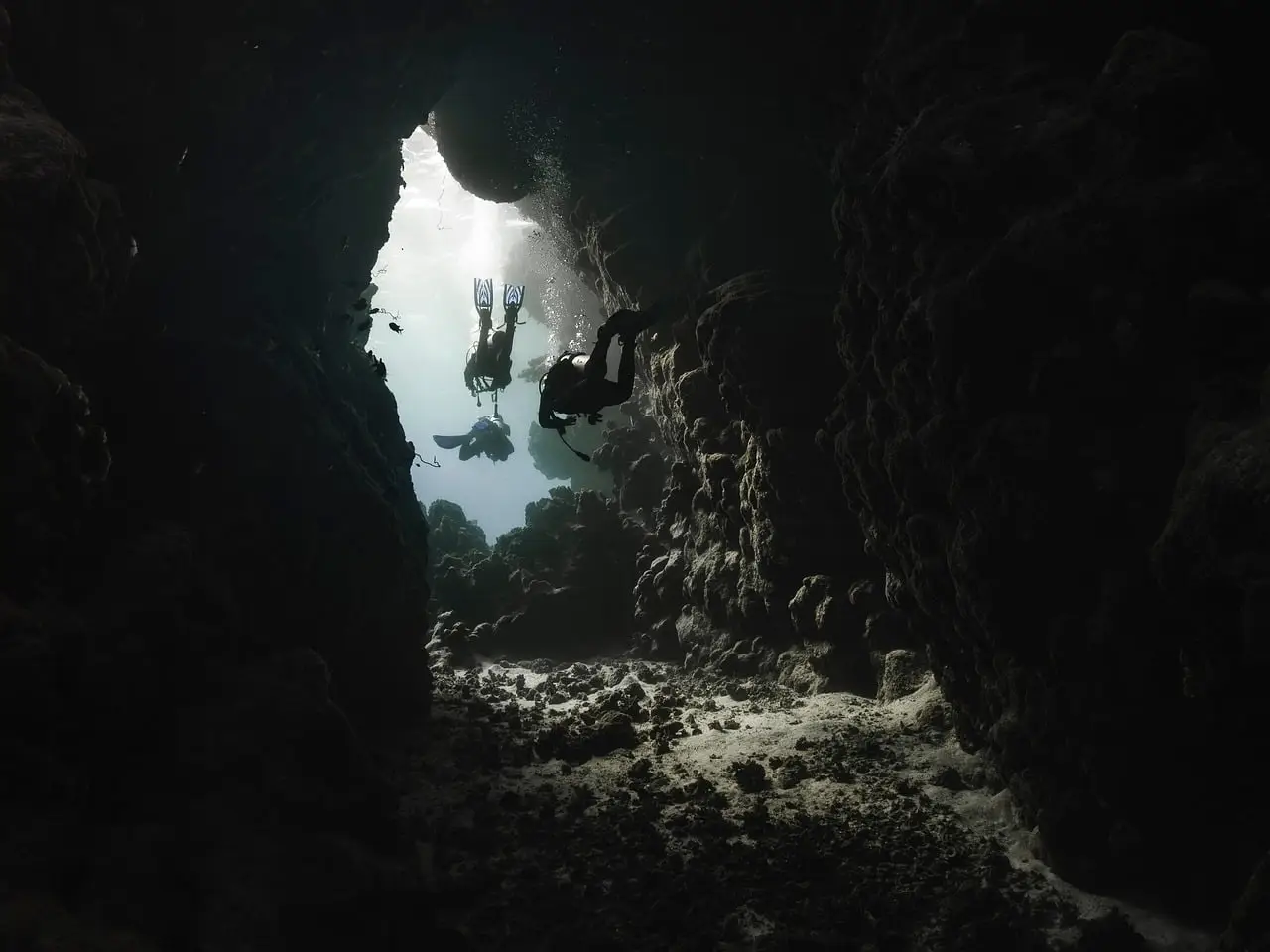
A seaweed species unseen in adult form for 90 years has turned up in vast underwater forests near Lord Howe Island — at depths of 20 to 38 meters, far below where scientists had been looking.
The find, published in the journal Ecology (DOI: 10.1002/ecy.70547) by Matthew J. Rees and colleagues, identifies the long-missing adult population of Sargassum howeanum and suggests deep, cooler waters may shelter seaweed as the oceans warm.
The story starts in 1935, when botanist A.H.S. Lucas pulled a tangle of long, caramel-colored seaweed from the waters near Lord Howe Island, a World Heritage-listed site about 600 kilometers (370 miles) off Australia's eastern coast. He named it S. howeanum.
Then came the puzzle. For the next nine decades, researchers found only small, immature specimens in the island's shallow waters. Nobody knew where the adult plants had gone.
What did the surveys actually find?
In 2022, a research team was helping monitor marine parks around the island using baited remote underwater video systems — camera rigs scientists commonly use to estimate fish abundance and habitat diversity in sensitive environments.
The cameras filmed shelf habitats 20–50 meters (66–164 feet) down. After the first survey day, the team reviewed footage and noticed something odd: at a routinely monitored site, a once-bare seafloor was blanketed in a thick forest of tall seaweed. Dense forests kept appearing at other monitoring sites too.
Some specimens tangled in the camera equipment went to Gerald Kraft, an algal expert with a focus on Lord Howe Island algae. He identified two species: Sargassum spinuligerum and Sargassum howeanum.
The S. howeanum plants were adults, up to 72 centimeters (28 inches) long, bearing fingerlike fruiting bodies called receptacles that the seaweed uses to reproduce. That confirmed the source of the missing adult population and closed the 90-year mystery.
Lucas never recorded where or how he collected his original specimens, but the researchers think he likely gathered them at similar depths using a deepwater dredge — a metal frame towed along the seafloor.
How big are these forests?
The team analyzed underwater video surveys conducted in 2009, 2013, 2017 and 2022. The total area covered by Sargassum forests grew by 22 times between 2009 and 2022.
Nobody yet knows what drove that expansion, but temperature may play a role. Sea surface temperatures around Lord Howe Island have risen about 0.2°C per decade since 1985. Yet satellite data suggest waters at 20–50 meters were cooler in the lead-up to 2022 than in earlier survey years, and those cooler conditions may have boosted the forests' growth.
Why does this matter for warming oceans?
Globally, seaweed forests are shrinking fast as ocean temperatures rise. In Tasmania and Northern California, kelp forests have declined by 95%. Marine heat waves and warming are the main drivers, with invasive seaweed-eating sea urchins adding pressure.
The stakes are high. Seaweed forests provide habitat and food for reef fish, sea dragons and abalone, and seaweed removes nearly 56 million tonnes (62 million tons) of carbon from the atmosphere each year — a reminder of what's being lost where shallow forests collapse.
The new observations are preliminary, and the authors hedge accordingly. But they suggest deeper habitats — known as "depth refugiums" — may act as seaweed havens because they escape two pressures hammering shallow ecosystems: rising temperatures and overgrazing by tropical plant-eating fish moving toward the poles. More research is needed to confirm the idea.
The team's bottom-line argument: long-term monitoring programs are what made both the discovery and the 22-fold measurement possible, and investing in them becomes more urgent as extreme weather grows more frequent and severe. In the case of S. howeanum, monitoring even solved a 90-year-old environmental mystery.
via phys.org/rss-feed/ (Source)
More from Nathan Brooks
Show full bio
Market editor covering companies, deals and strategy in general science news at SciBeat.
563 articles
Nearby plates
- Two Remote Pacific Atolls Rank Among the World's Last Intact Reefs
- COP31 Launches Global Seaweed Breakthrough as 70% Decline Looms
- Ocean acidification linked to declines in a coastal food chain
- Two New Tardigrade Species Found on Atlantic Seamount
- Reef fish shrug off acidic water in decade-long acidification test