Plate Nº 26 · recorded November 16, 2026
Earth & ClimateReported finding
COP31 Launches Global Seaweed Breakthrough as 70% Decline Looms
At COP31, scientists launched the Global Seaweed Breakthrough, aiming to cut habitat loss 70% by 2030 as seaweed faces up to 70% decline by 2100.
By Nathan Brooks3 min read604 words
In brief
- Seaweed could decline by up to 70% by 2100 due to warming seas, pollution and overharvesting.
- The Global Seaweed Breakthrough launched at COP31 on Friday by Natural History Museum scientists and partners.
- Global seaweed production tripled in two decades, hitting 38 million tonnes in 2022, worth an estimated £12 billion.
- More than six million farmers worldwide depend on seaweed for their livelihoods.
- The plan targets reducing seaweed habitat loss by 70% by 2030 and securing at least £13.2 billion in funding.
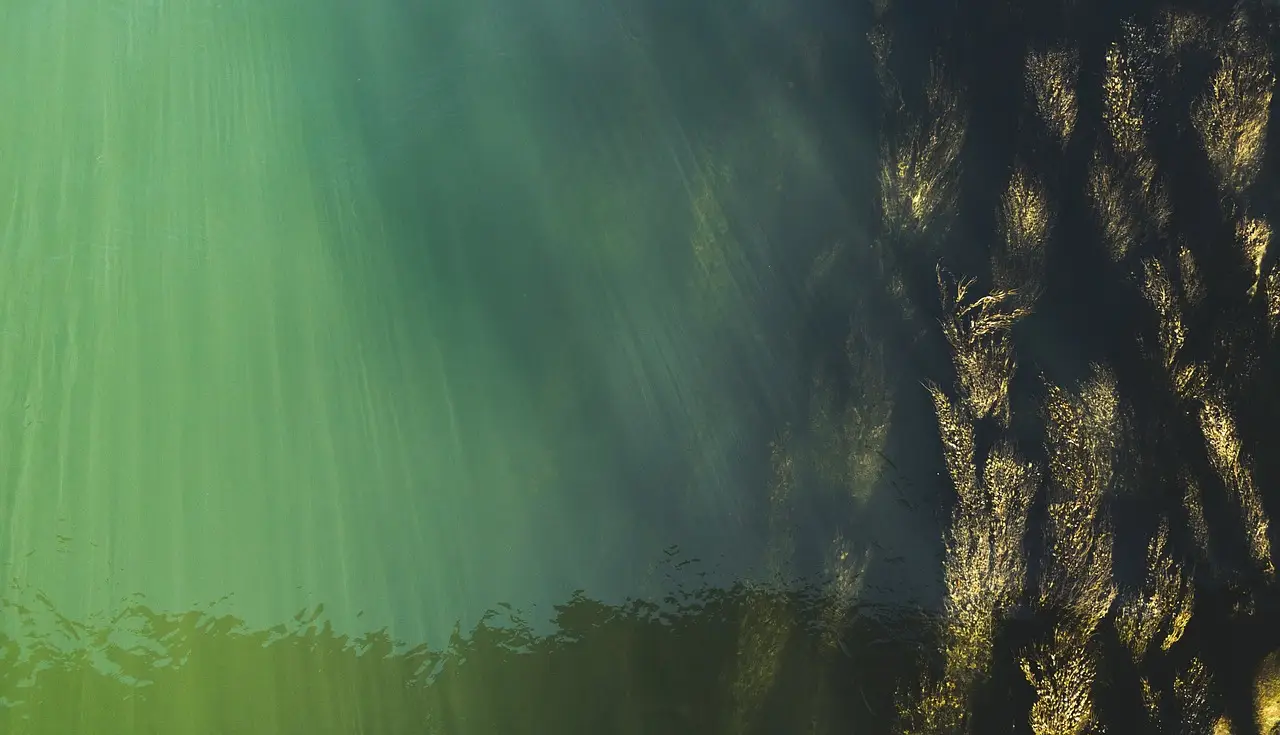
Seaweed ecosystems could decline by up to 70% by 2100. That is the stark projection scientists presented at COP31 on Friday, where the Natural History Museum, international partners and government representatives launched a new plan called the Global Seaweed Breakthrough.
The initiative commits to sustainably managing the world's seaweed ecosystems — the underwater forests that many beachgoers know only as the tangled debris washed up at their feet. The predicted decline, researchers say, stems from rising sea temperatures, marine heatwaves, pollution, overharvesting and invasive species.
The timing matters because seaweed plays what the researchers call a crucial role in the ocean system. It serves as habitat for marine life, a food source and a part of the carbon cycle — the natural process that moves carbon between the atmosphere, ocean and living things.
What does the Breakthrough actually do?
Professor Juliet Brodie, Merit Researcher at the Natural History Museum and one of the scientific leads behind the Seaweed Breakthrough, said: "Seaweed research is carried out by scientists all over the world, but until now there has been no shared plan to bring that knowledge together and put it to work for conservation."
She added: "The Breakthrough gives us a chance to build those connections and make sure the evidence we have is used to guide decisions about protecting these habitats."
In plain terms, the plan tries to connect scattered research efforts — seaweed science already exists globally — and turn that evidence into actual conservation decisions. Until Friday, there was no unified framework for doing so.
How big is the seaweed economy?
The numbers behind the launch are large. Global seaweed production has tripled over the past two decades, reaching 38 million tonnes in 2022. That output carries an estimated value of £12 billion and supports more than six million farmers worldwide.
For perspective, six million farmers is roughly the population of Denmark, all depending on seaweed cultivation for their livelihoods.
The wild populations matter too. Farmed seaweed depends on healthy wild stocks, which supply the seed material and the genetic diversity that breeders need to develop strains capable of coping with changing ocean conditions.
A decline in seaweed, the researchers caution, would carry consequences for both nature and the communities that harvest and farm it.
What are the five goals?
The Global Seaweed Breakthrough sets out five concrete targets:
- Reduce the loss of seaweed habitats by 70% by 2030 — matching the scale of the projected long-term decline, but on a much shorter timeline.
- Increase the area of seaweed habitat under long-term protection.
- Restore damaged seaweed habitats.
- Support the livelihoods of seaweed farmers.
- Secure at least £13.2 billion in funding for conservation and restoration.
That £13.2 billion funding target slightly exceeds the current estimated annual value of global seaweed production, which signals how seriously backers view the gap between current effort and need.
How certain are the projections?
The 70%-by-2100 figure is a prediction, not an observed trend, and it carries the usual uncertainty of long-range climate modelling. It represents the upper bound of what scientists expect if current stressors — warming seas, heatwaves, pollution, overharvesting and invasive species — continue unchecked.
The 2030 habitat-loss goal, by contrast, is a policy commitment, and its success will depend on whether governments and partners actually deliver the funding and protections the Breakthrough outlines. The launch on Friday established the plan; the harder test will be implementation.
Still, the framing marks a shift. An organism often treated as a beach nuisance — the "beach nightmare" of washed-up wrack — is now formally recognized at a UN climate summit as protected, working infrastructure for the ocean.
via energylivenews.com (Source)
More from Nathan Brooks
Show full bio
Market editor covering companies, deals and strategy in general science news at SciBeat.
393 articles
Nearby plates
- 35 Years of Data Reveal How Warming Is Rewiring the Marine Food Web
- Africa's Underwater Meadows Need Urgent Protection, Scientists Warn
- Fossil Teeth Suggest Some Dinosaurs Grazed on Seaweed
- Swimming Sea Cucumbers Intercept Sinking Carbon in the Deep Ocean
- Predator 'Alarm Scents' Predict Toxic Algal Blooms Seven Weeks Early