Recorded November 22, 2026
Science Policy & FundingReported finding
Senate Passes Energy Permitting Bill 62-33 as Power Prices Climb 39%
The Senate passed the Bipartisan American Affordability and Jobs Act 62-33, fast-tracking permits for data centers and power plants as electricity prices rise faster than inflation.
By Nathan Brooks3 min read670 words
In brief
- The Senate passed the bill 62-33 on Thursday, with 14 Democrats and 1 Independent joining Republicans.
- Electricity prices rose over 6% in the past year and 39% over five years, outpacing inflation.
- The bill now moves to the House; President Trump publicly urged its approval.
- Major groups including the Sierra Club and National Wildlife Federation opposed it over weakened environmental accountability.
- Senators Cantwell and Padilla warned the bill could undermine tribal sovereignty.
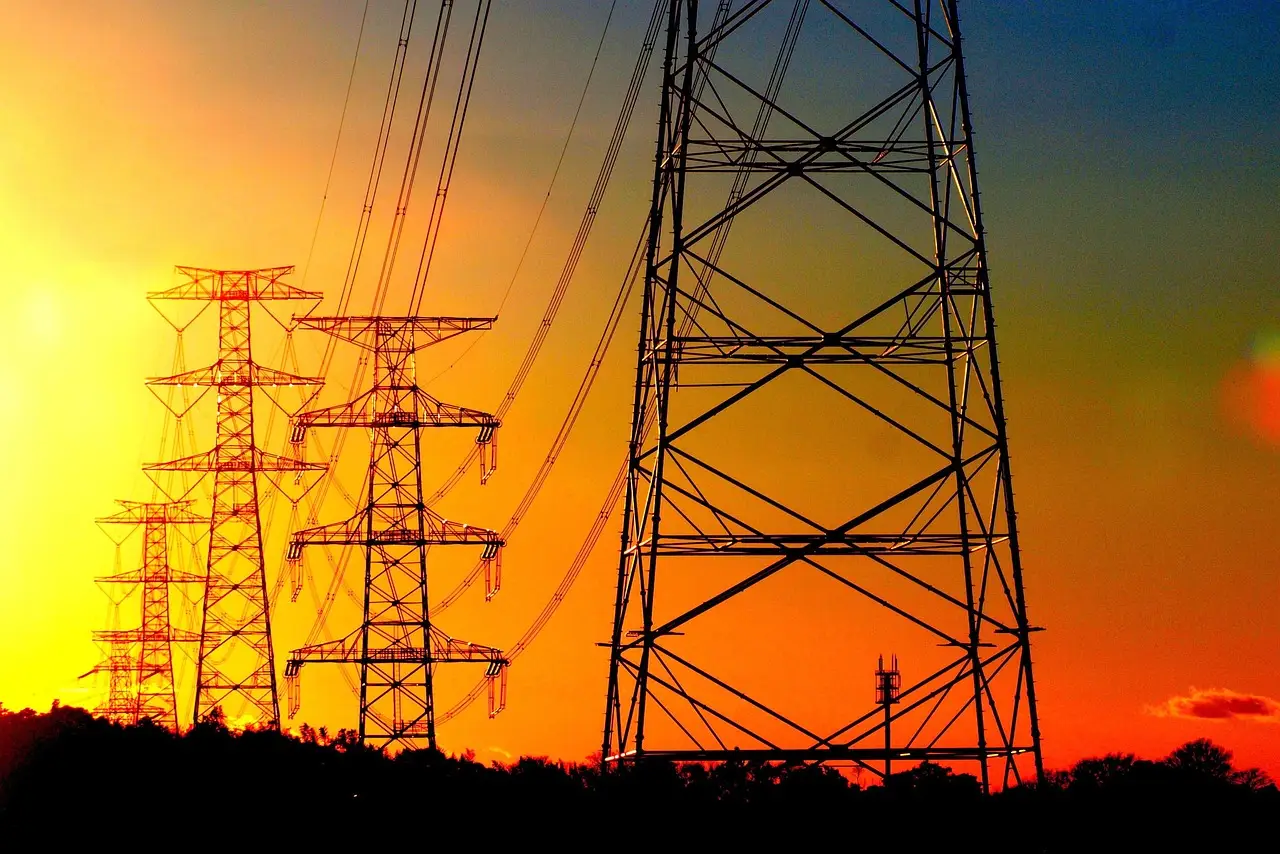
The U.S. Senate voted 62-33 on Thursday to pass a bipartisan bill that would speed up approvals for data centers and power plants, responding to electricity prices that have climbed 39% in five years. Fourteen Democrats and one Independent joined nearly all Republicans. The bill now heads to the House.
The legislation, called the Bipartisan American Affordability and Jobs Act, was written by two Democrats and two Republicans. It targets the permitting process — the layer of federal reviews and approvals that projects must clear before construction — which supporters blame for years of delay.
The backdrop is stark. A kilowatt-hour of electricity, the standard unit on your utility bill, has risen more than 6% in the past year alone. That's faster than overall inflation, and it works out to roughly a 39% jump since 2020. Artificial intelligence is a major driver: data centers running AI systems consume enormous amounts of power, straining the grid and pushing costs up for everyone.
What did the bill's backers say?
"Tonight, the passage of permitting reform in the Senate finally became reality and we took a major step towards addressing the affordability concerns of the American people," said co-author Shelley Moore Capito, the West Virginia Republican who serves on the Senate's GOP leadership team.
Senate Majority Leader John Thune, Republican of South Dakota, said the bill would "cut through decades of red tape" and "save the average household hundreds of dollars each year." He added that Americans would see "better roads, more American manufacturing, and better-paying jobs."
Rhode Island Democrat Sheldon Whitehouse, another co-author, predicted that "Americans will quickly begin getting some relief on their energy bills if the House follows suit." Whitehouse also said the bill would require data centers to pay for the power they use — a notable point, given that public opposition to data center construction has been growing across party lines nationwide.
Why are environmental groups worried?
Not everyone is celebrating. The Sierra Club and the National Wildlife Federation, two of the country's largest environmental organizations, opposed the bill. Their argument: it weakens environmental accountability — the legal and regulatory checks that let agencies and citizens challenge projects that could pollute air or water.
Many Democrats share that concern. They say the bill makes it easier to greenlight oil and gas projects alongside energy-hungry data centers, and warn that protections for clean air and water will be weakened as a result.
Some climate advocates take the opposite view, though. They argue the U.S. urgently needs faster construction of renewable energy projects and transmission lines, and they see the bill as a way to accelerate solar, wind and battery deployment.
What about tribal rights?
A separate fault line runs through tribal sovereignty — the legal authority of Native American tribes over their own lands and affairs. Washington Democrat Maria Cantwell pressed the point directly on X: "Don't sacrifice the Clean Water Act, hunting or fishing grounds, historic or sacred sites, or protections of tribal sovereignty."
California Senator Alex Padilla echoed her. "I support cutting red tape and getting more energy projects built, but not at the expense of tribal sovereignty and California's environment," he said.
Oregon's Jeff Merkley, another Senate Democrat, called the bill "a bad deal." His reasoning focused on the energy mix: "It opens the gates to a flood of natural gas for data centers while leaving expanded transmission of renewable energy subject to Trump's obstruction," he wrote on X.
What happens next?
The bill faces a House vote, and President Trump has already weighed in. In a recent social media post, he urged Congress to approve the legislation, calling it a "BIG WIN for U.S. ENERGY INDEPENDENCE AND DOMINANCE."
Whether Whitehouse's prediction — quick relief on energy bills — holds up depends on the House, and then on how fast new projects actually get built. Permitting reform changes approval timelines, not construction schedules, so any effect on household costs would likely take time to appear.
via feeds.npr.org (Source)
More from Nathan Brooks
Show full bio
Market editor covering companies, deals and strategy in general science news at SciBeat.
563 articles
Nearby plates
- Senate Advances Bills Rejecting Cuts to US Research Funding
- DOE's AI Push Is Squeezing Funding for Research Grants
- The Data Centre Problem Bigger Than Water or Power: the Money
- U.S. hyperscale data centers rival states in electricity use
- Four Nuclear Amendments Buried in BAAJA Could Reshape Reactor permitting