Recorded November 18, 2026
Science Policy & FundingReported finding
Four Nuclear Amendments Buried in BAAJA Could Reshape Reactor permitting
Four nuclear amendments to the BAAJA permitting bill could cut the roughly 40 percent of a nuclear plant's decade-long timeline that permitting consumes, boosting SMRs and reactor restarts.
By James Calloway4 min read809 words
In brief
- Permitting accounts for about 40 percent of the roughly decade-long timeline to plan and construct a nuclear plant.
- By 2032 the NRC expects 31 applications to uprate existing plants, potentially adding 2,421 megawatts.
- In September the Tennessee Valley Authority received the first NRC permit for a small modular reactor, near Oak Ridge, Tenn., targeting power production in 2033.
- Four nuclear-focused amendments were added to BAAJA earlier this month, covering hearings, enrichment construction, NRC pay and DOE transparency.
- A typical 300-megawatt SMR can power about 300,000 homes.
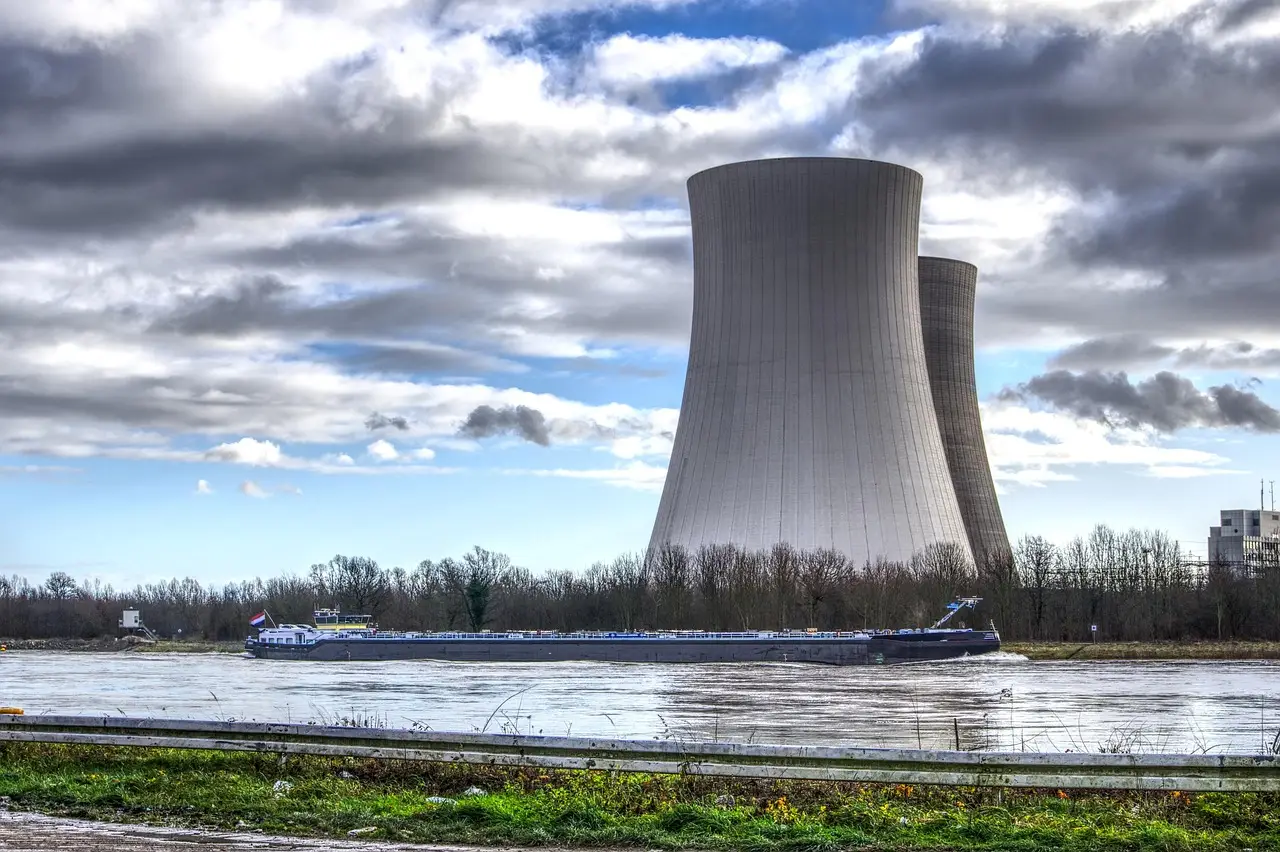
Permitting eats up roughly 40 percent of the decade it takes to plan and build a nuclear plant — and Congress may be about to shrink that number. Four amendments added earlier this month to the Bipartisan American Affordability and Jobs Act (BAAJA) target nuclear regulation directly, potentially speeding licensing, easing hearings rules and tightening federal transparency.
The bill itself is broader. It would accelerate new electricity transmission at a moment when power demand — driven hard by data centers — is soaring. It has split climate advocates, because it fast-tracks wind and solar while also easing permits for fossil fuel infrastructure such as natural gas pipelines. The nuclear industry, quietly, is watching just as closely.
"Nuclear energy is probably the most highly regulated of our energy-generation sources," says Ashley Finan, a nuclear scientist and fellow at Columbia University's Center on Global Energy Policy. "So there are a lot of places where that regulation can be made more efficient if we take the time to do so thoughtfully."
That's the promise. Here's the fine print.
What does BAAJA actually change for nuclear?
For every energy source, the bill would relax mandates under the National Environmental Policy Act (NEPA) — the 1970 law requiring federal agencies to assess a project's environmental effects before approval. It would also trim processes required by other laws, such as the National Historic Preservation Act. On top of that come four nuclear-specific amendments:
- No more empty hearings. The NRC would no longer need to hold hearings for uncontested permitting and licensing decisions for reactors and enrichment facilities. Today, hearings happen even when nobody objects, adding cost and delay. "That's a really straightforward change that we know will save time," Finan says.
- Early construction for enrichment. Uranium enrichment facilities could begin building during permitting rather than waiting for an enrichment permit. Companies take a financial risk — a permit to handle nuclear materials isn't guaranteed — but a confident applicant could move faster.
- Better-paid regulators. The basic pay cap for NRC staff would rise to keep salaries competitive with the private sector and retain enough employees to run permitting efficiently.
- More DOE transparency. The Department of Energy would have to publish announcements about actions involving nuclear facilities, such as safety-standard changes, and report annually to Congress.
That last one isn't about speed. It's about trust, says Erik Cothron, manager of research and strategy at the Nuclear Innovation Alliance, a nuclear policy think tank.
Who loses if the bill passes?
Environmental groups and tribal nations oppose the NEPA changes, because they would remove certain avenues to raise concerns or push for protections of cultural or archaeological sites.
"It is a wholesale change to these review processes as they apply to every single thing the federal government will do moving forward," says Wesley Furlong, a staff attorney at the Native American Rights Fund, which opposes the changes.
That's the trade. Faster reviews mean fewer checkpoints. Skeptics will reasonably ask what gets missed when hearings disappear.
Where's the money — and the uranium?
Financing remains a major hurdle for the industry, and a shorter, more predictable regulatory process can help attract investors, Cothron says. But speed alone won't fix everything. Finan points to two stubborn problems: securing high-grade enriched uranium fuel, especially from domestic suppliers, and the industry's pervasive cost overruns.
The enthusiasm, she notes, isn't mainly about brand-new plants. Much of it concerns restarting old reactors and upgrading existing ones to produce more power. By 2032, the NRC expects 31 applications to "uprate" existing plants, potentially adding 2,421 megawatts to the grid.
Companies are also working to restart shuttered plants such as the Crane Clean Energy Center — formerly Three Mile Island — in Pennsylvania, and the Palisades Nuclear Power Plant in Michigan. Microsoft and Google are backing some of these projects with guarantees to buy the power for their data centers.
What about the new small reactors?
The plants of the future look smaller. Small modular reactors (SMRs) produce less power than traditional ones but can be preassembled and shipped to a site for installation. A typical 300-megawatt SMR powers roughly 300,000 homes. In September, the Tennessee Valley Authority received the first NRC permit for an SMR, planned near Oak Ridge, Tenn., aiming to produce power by 2033.
Microreactors — compact enough to ship by truck or train, producing up to 20 megawatts of thermal energy — are still in development. Earlier this year, Valar Atomics proposed a microreactor-powered data center on public land near Price, Utah. That proposal remains under review.
BAAJA doesn't directly write the new regulations these technologies need. The NRC has made strides on its own, Cothron says, but the shift ahead is stark: from licensing "one or two reactors per year" to contemplating "thousands of reactors per year."
via scientificamerican.com (Source)
More from James Calloway
Show full bio
Staff writer covering regulation, policy and their impact on general science news at SciBeat.
570 articles
Nearby plates
- 39 Countries Now Back Declaration to Triple Nuclear Energy
- NASA’s First Fission-Powered Spacecraft Clears Key Nuclear Hurdle
- Senate Passes Energy Permitting Bill 62-33 as Power Prices Climb 39%
- Five Governors Ask EPA to Waive 2027 Renewable Fuel Rules to Cut Pump Prices
- NRC Approves Four Small Nuclear Reactors at Dow's Texas Plant