Recorded November 23, 2026
Science Policy & FundingReported finding
NRC Approves Four Small Nuclear Reactors at Dow's Texas Plant
The NRC approved four 80 MW Xe-100 reactors for Dow's Texas petrochemical site after an 18-month review. X-energy calls them meltdown-proof; critics call that claim a myth.
By Marcus Bennett4 min read702 words
In brief
- The NRC approved four 80-megawatt Xe-100 reactors at Dow's Seadrift, Texas complex after an 18-month expedited review.
- Dow and X-energy's Long Mott station was one of two projects picked by DOE in 2020 for the Advanced Reactor Demonstration Program.
- The Xe-100 uses helium cooling and TRISO pebble fuel instead of water and fuel rods, allowing it to skip concrete containment.
- Legal challenges filed in 2025 by San Antonio Bay Waterkeeper were dismissed by the NRC.
- Dow has not made a final decision; if it proceeds, construction could begin before 2030.
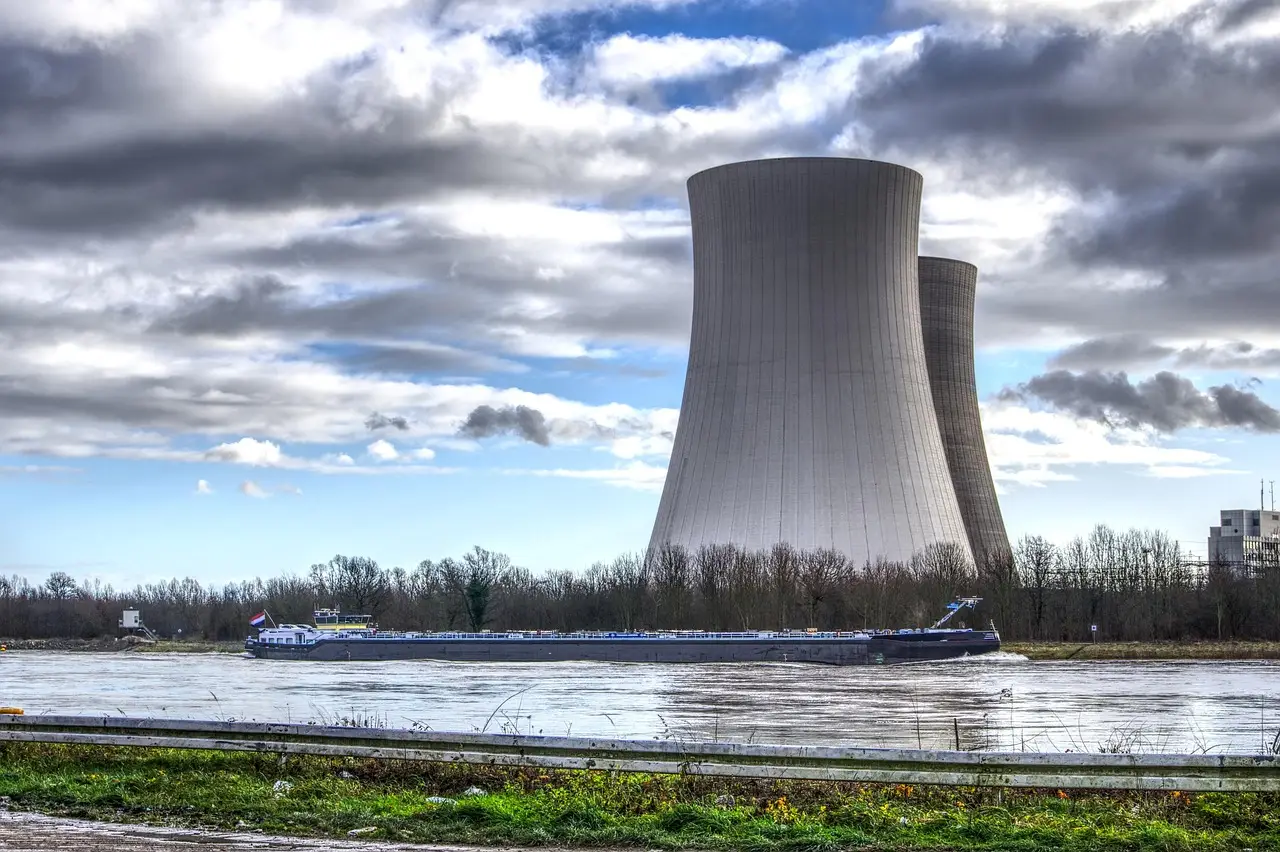
The U.S. Nuclear Regulatory Commission this week approved construction of four next-generation nuclear reactors at Dow's Seadrift petrochemical complex on the rural Gulf Coast of Texas, capping an expedited 18-month safety review.
The Long Mott Generating Station, a joint project of chemical giant Dow and nuclear startup X-energy, will host four 80-megawatt reactors of X-energy's Xe-100 design. The U.S. Energy Department selected it in 2020 as one of two flagship projects in its Advanced Reactor Demonstration Program, which aims to restart growth in a sector that has built just one new nuclear plant in three decades.
"This milestone marks a significant step forward," Mike Goff, principal deputy assistant secretary for nuclear energy, said in a press release Monday. "The NRC's approval demonstrates meaningful progress toward deploying advanced reactors."
What makes these reactors different?
Traditional nuclear plants demand massive construction projects, towering concrete containment structures and a 10-mile emergency planning zone. The Texas design replaces all three with small, modular units built in factories, then shipped and assembled onsite at industrial installations, from data centers to petrochemical plants.
The Xe-100 breaks with conventional reactors in two ways. Instead of water, it cools with helium gas. Instead of fuel rods, it burns pelletized fuel in a moving bed of pebbles — a technology called TRISO fuel, developed in Energy Department labs over decades.
"Simply put, TRISO particles cannot melt in a commercial high-temperature reactor," a DOE webpage states. X-energy CEO J. Clay Sell, a former deputy energy secretary, has described the Xe-100 as "physically impossible to melt down."
The innovations add up to what scientists call "functional containment": the natural resilience and circulation of fuel pebbles prevents the runaway warming that leads to meltdown. Compared with current control systems, the approach is "less reliant on pumps or human intervention to mitigate anomalies," said Mehdi Reisi Fard, deputy director of advanced reactors at the NRC, at a September public meeting in Port Lavaca.
That safety case lets developers skip the big, expensive concrete casings required for water-cooled reactors.
Why are skeptics pushing back?
Edwin Lyman, director of nuclear power safety at the Union of Concerned Scientists, doubts the fuel is as safe as authorities claim. "The argument these developers are using is that they don't need a physical containment because the reactor is so safe," he said in an interview earlier this year. "It's just a myth that this fuel is indestructible or meltdown-proof. This fuel has vulnerabilities."
Diane Wilson, a retired fourth-generation shrimper from Seadrift and director of San Antonio Bay Waterkeeper, called the approval "outright outrageous." She noted the reactors' spent fuel will be stored indefinitely onsite as nuclear waste because the U.S. still lacks a permanent national disposal site.
Wilson's organization filed legal challenges to the permit application in 2025 over safety concerns. The NRC dismissed them.
How fast was the review?
The agency approved the permit under executive orders from President Donald Trump aimed at accelerating the national energy sector. The review finished on schedule.
"We delivered on the 18-month schedule, proving we can do rigorous safety reviews on predictable timelines that move advanced nuclear technology from design to construction," NRC Chairman Ho K. Nieh said in a press release.
The approval fits a broader pattern: the NRC issued its first permit for an advanced test reactor in 2023 and its first permit for an advanced commercial reactor in March 2026.
What happens next?
Dow has not committed to building. The company said it still needs to make a final decision to proceed; if it does, construction could begin before 2030.
"We understand that owning a nuclear facility is a different kind of responsibility," Kreshka Young, Dow's North American business director for energy and climate, told the Port Lavaca meeting. "We do not take that lightly."
If the project succeeds, it would "provide a pathway other industries can emulate" for dedicated onsite power generation, said Martin O'Neal, general counsel for the Nuclear Energy Institute.
"The nuclear industry is watching this project very closely," O'Neal said. Four 80-megawatt pebble-bed reactors now carry that weight.
via zmescience.com (Source)
More from Marcus Bennett
Show full bio
News editor covering regulation, policy and their impact on general science news at SciBeat.
584 articles
Nearby plates
- 39 Countries Now Back Declaration to Triple Nuclear Energy
- Four Nuclear Amendments Buried in BAAJA Could Reshape Reactor permitting
- NASA’s First Fission-Powered Spacecraft Clears Key Nuclear Hurdle
- Two-Thirds of Nuclear Teams Report Contractor Shortages Risking Outages
- Kazakhstan Targets 2027 Start for First Nuclear Plant