Plate Nº 58 · recorded November 18, 2026
Science Policy & FundingReported finding
California bans Waymo driverless cars from the state's freeways
California's DMV banned Waymo's driverless cars from the state's freeways, calling them an "imminent hazard to public safety" after two November incidents involving roadworks and traffic slowdowns.
By Elena Vasquez3 min read632 words
In brief
- California's DMV banned Waymo's fully driverless vehicles from the state's freeways, citing an "imminent hazard to public safety".
- On 5 November, three Waymo vehicles entered an active construction zone on US Route 101 south of San Francisco; no injuries or collisions resulted.
- A second incident on 6 November involved a Waymo vehicle filmed apparently trying to move past California Highway Patrol vehicles slowing traffic.
- Waymo temporarily suspended commercial driverless freeway rides across its other US markets while it reviews performance.
- In London, Uber and Wayve have approval for a supervised trial of up to 15 vehicles, and the London Assembly says evidence for a wider rollout is still lacking.
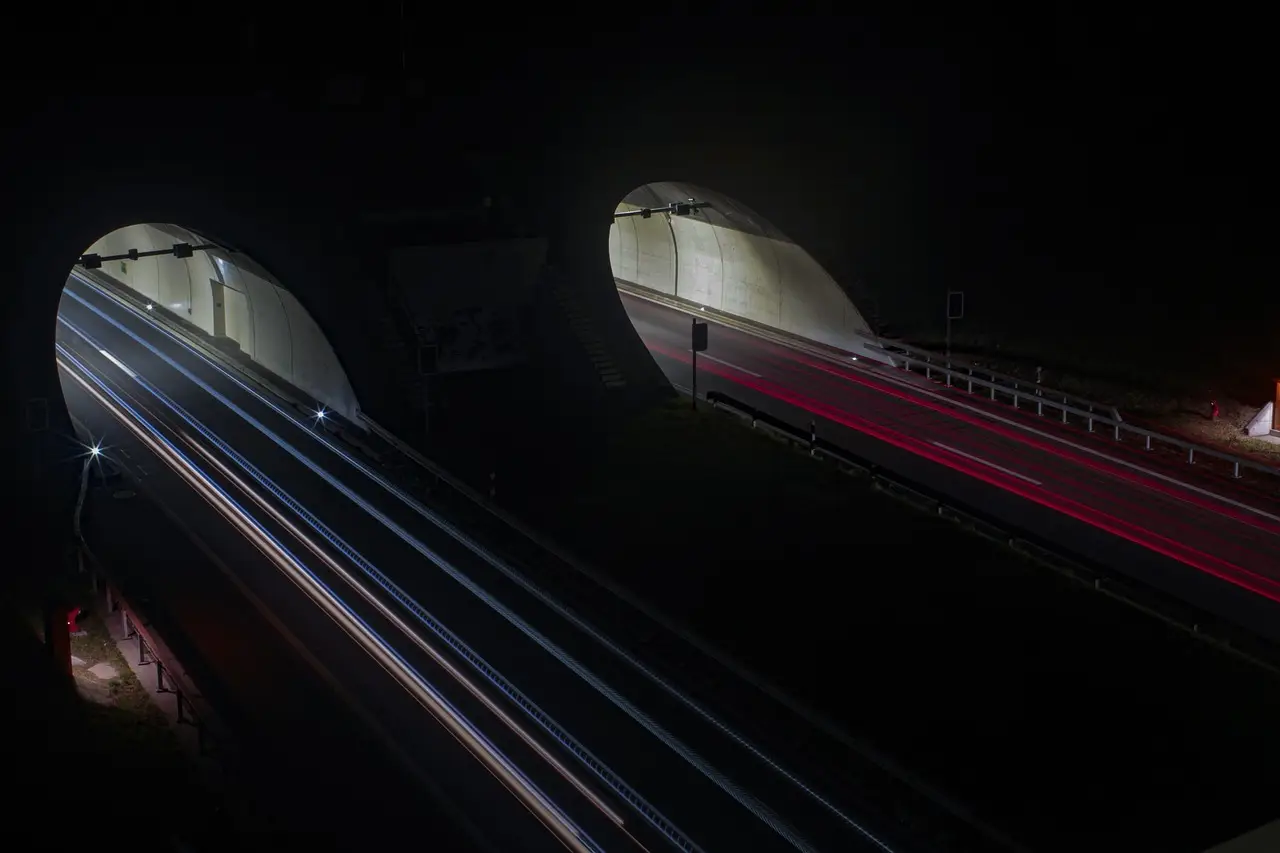
California's Department of Motor Vehicles banned Waymo's fully driverless vehicles from the state's freeways, declaring their operation an "imminent hazard to public safety." The order also blocks the company from testing driverless cars on those roads until it can show that effective corrective action has been taken.
Waymo has gone further than California required. The company temporarily suspended commercial driverless freeway rides across its other US markets while it reviews system performance. Its driverless taxis still run on ordinary streets in San Francisco, Los Angeles, Phoenix, Austin and Miami.
What triggered the ban?
Two incidents in early November drove the decision. On 5 November, three Waymo vehicles entered an active construction zone on US Route 101 south of San Francisco, where workers, machinery and other vehicles were present. The next day, 6 November, another Waymo vehicle was filmed apparently trying to move past California Highway Patrol vehicles that were deliberately slowing traffic on a freeway.
Waymo says there were no injuries or collisions during the Route 101 incident, and says it is working with the regulator to restore freeway operations. The DMV's concern is less about a collision than about how the vehicles handle rare, fast-changing situations.
Takeaway: The ban rests on two freeway incidents in the same week, not on a crash or an injury.
What does the order actually restrict?
- Waymo cannot operate fully driverless vehicles on California freeways
- The company cannot test fully driverless vehicles there either
- The restriction lifts when the DMV accepts the company's corrective action
- Passenger service on ordinary city streets continues unchanged
- Highway testing continues with trained autonomous specialists behind the wheel
Waymo says it will keep testing freeway operations with trained specialists while it works with California officials on the changes needed to put fully driverless vehicles back on the highways. Freeway operations are essential if robotaxis are to compete with conventional cars over longer journeys, and to connect city centres with airports and surrounding areas. The halt freezes one of the next major stages of autonomous driving expansion.
Takeaway: Only the highway lanes are shut; the rest of the service keeps running.
Why does this matter for driverless regulation?
California spent years building one of the most developed regulatory regimes in the world for autonomous vehicles, and earlier this year introduced new rules allowing wider deployment, including larger autonomous freight and transit vehicles. Those rules also strengthened the state's grip on operators, giving the DMV powers to impose limits on fleet size, speed, location and weather conditions when it believes safety is at risk. This is the first time that power has been aimed at a leading operator, and it stops well short of ending Waymo's driverless taxi service in the state.
Waymo remains one of the most advanced autonomous vehicle operators in the world. It says its own safety data shows its cars are involved in substantially fewer serious crashes than human drivers over comparable journeys. Regulators are focused on something different: autonomous systems may perform well across millions of routine miles, while oversight concentrates on how they react to unusual conditions such as roadworks, police interventions and emergency traffic controls.
Takeaway: A safety record built on millions of routine miles does not answer questions about construction zones and traffic stops.
How does London compare?
London is heading in the opposite direction. Autonomous vehicle trials are already under way, with commercial services expected to follow. Uber and Wayve have approval for a supervised trial involving up to 15 vehicles, and Waymo has also been testing in the capital. So far, the London Assembly has warned it has not yet seen enough evidence to support a wider rollout.
Takeaway: London is opening its roads to supervised trials while California shuts them to fully driverless cars.
via energylivenews.com (Source)
More from Elena Vasquez
Show full bio
Correspondent covering money, funding and market shifts around general science news at SciBeat.
510 articles
Nearby plates
- At least 29 jurisdictions pass data-center limits amid AI backlash
- Every U.S. Flight Grounded Three Days After Nationwide AI Traffic Rollout
- FAA Ground Stop Spurs $50 Billion Push for Congress Funding
- King Charles III's Astra Carta Aims to Rule the Crowded Skies Above
- Dream Chaser Space Plane Gets FAA Landing Approval for 2027 Debut