Plate Nº 83 · recorded November 15, 2026
Space & AstronomyReported finding
SpaceX Catches a Starship for the First Time — What Comes Next
SpaceX caught a Starship upper stage for the first time on Nov. 14, 22.5 hours after launch. Next hurdles: rapid reuse, crew cabins and orbital refueling for the Moon.
By Elena Vasquez5 min read915 words
In brief
- SpaceX caught a Starship upper stage for the first time on Nov. 14, 2025, 22.5 hours after Flight 15's liftoff.
- Super Heavy diverted to a Gulf of Mexico splashdown on Nov. 13 after a low-fuel alarm; SpaceX has caught boosters three times before.
- Musk targets 10,000 Starship launches per year by 2030; planned constellations include 100,000 Starlink V3 satellites and a one-million-spacecraft Starmind network.
- Ship is NASA's first crewed lunar lander, set to land astronauts on Artemis IV in 2028.
- Orbital refueling remains unproven; Musk estimates six to eight tanker flights per deep-space mission, outside experts up to 22.
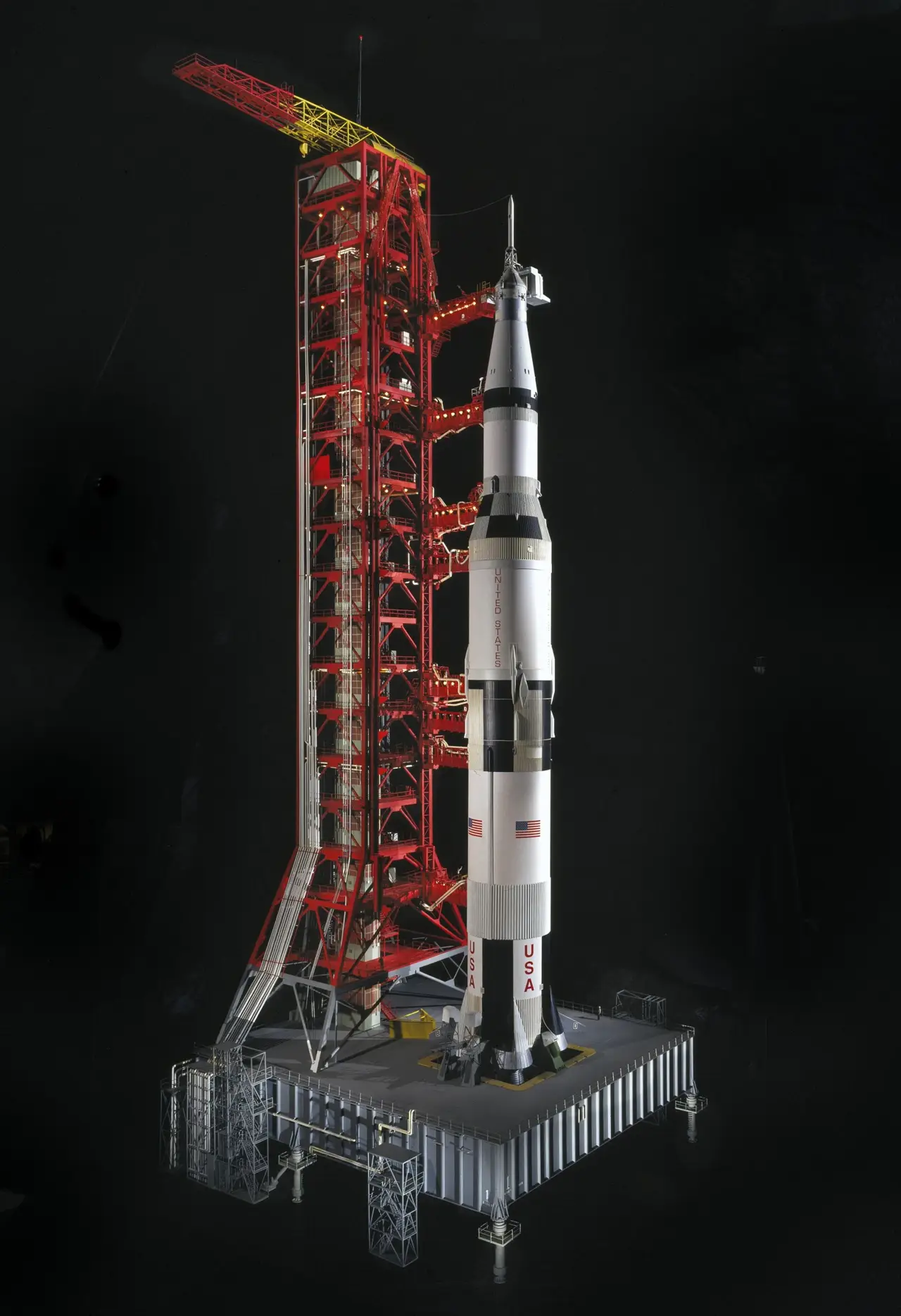
SpaceX caught a Starship upper stage for the first time ever on Saturday (Nov. 14), snagging the 22.5-hour-old spacecraft out of the air with the "chopstick" arms of its launch tower in Texas. No company had ever done it before — SpaceX itself had never even tried. "That was the holy grail of spaceflight, plummeting through fire to be snatched out of the air by steel," SpaceX spokesperson Dan Huot said during the landing webcast on Saturday. "We caught a Starship, and now everything changes."
The catch capped Flight 15, the megarocket's 15th test mission, which lifted off from SpaceX's Starbase site on Friday (Nov. 13). The company had aimed for an unprecedented doubleheader: catching both the Super Heavy booster and the Ship upper stage back at the launch pad. That didn't fully happen. Super Heavy diverted to a splashdown in the Gulf of Mexico on Friday evening after a low-fuel alarm, so only Ship came home to the tower, nestling softly into the arms on Saturday afternoon.
Why the Ship catch is harder
SpaceX has now caught Super Heavy three times on test flights. Ship is a different beast. The upper stage flies much higher and much faster than the booster, which makes its return trip far more involved and riskier. That's why Saturday mattered so much.
The Flight 15 mission plan points to the future SpaceX wants: double catches as standard practice on operational missions. Catching both stages at the pad enables rapid inspection, refurbishment and reflight of the rocket, according to the company.
And rapid reflight is the whole game. Elon Musk has said SpaceX is targeting 10,000 Starship launches per year by 2030 — more than one liftoff every hour, on average.
Why such a staggering launch rate?
The answer is megaconstellations. SpaceX plans to build satellite networks far larger than anything orbiting Earth today:
- Starlink V3: the next-generation broadband network, planned at 100,000 satellites.
- Starmind: a planned AI data-center constellation of one million spacecraft — ten times bigger than Starlink V3.
For perspective, the current Starlink network in low Earth orbit, by far the largest constellation ever assembled, numbers about 11,000 satellites.
What's still missing: rapid reuse
Catching hardware is only part of the reuse equation. The other parts are refurbishment and reflight — and SpaceX hasn't demonstrated rapid reflight with either stage.
The record so far is modest:
- Booster 14 launched on Flight 7 in January 2025, then flew again on Flight 9 in May 2025.
- Booster 15 flew on Flight 8 in March 2025 and again on Flight 11 in October 2025.
Several months separated each of those reflights. And SpaceX has never reused a Ship, because it had never caught one during a mission until Saturday. That could change soon: before Flight 15 lifted off, Musk said the company wants to reuse both stages, and that option may still be on the table for Flight 15's Ship.
Expect full reuse to be a priority on test flights going forward, with SpaceX pushing turnaround times shorter and shorter — perhaps toward that hourly cadence, if the goal is actually achievable.
When will Starship carry astronauts?
Over the next few years, most Starship launches will likely build out the Starlink V3 and Starmind constellations. But the rocket also has a crewed deep-space mandate.
NASA selected Ship as the first crewed lunar lander for its Artemis program, which aims to establish a base near the lunar south pole by roughly 2032. Current plans call for Ship to land astronauts there for the first time on Artemis IV, targeted for 2028.
That deadline requires two big pieces of new hardware. First, a crew cabin and life-support system. SpaceX is working on both now and has made considerable progress, according to NASA; last month, an agency presentation reported the company is on target to finish building "Cabin 1" — a full-scale ground prototype of Ship's crew cabin — by the end of the year.
What about refueling in orbit?
The second hurdle is bigger. On every deep-space mission, Ship must fill its fuel tanks after launch, at a "depot" SpaceX will set up in Earth orbit. Launching Ship with full tanks isn't an option; the vehicle would be far too heavy.
Tanker variants of Ship will fill the depot. Nobody knows yet how many tanker visits each deep-space mission will need. Outside experts have floated numbers as high as 22, while Musk has cited six to eight as a probable range.
Whatever the real number, Ship must prove it can refuel off Earth — something it has never done. And this is more than a simple meetup in orbit: Ship's engines burn liquid oxygen and liquid methane, so both propellants must be kept extremely cold throughout the entire transfer.
The clock is ticking. The first refueling test could come relatively soon, because if SpaceX can't get Ship ready for the Artemis IV landing in 2028, NASA may turn to another private lander — Blue Origin's Blue Moon, which the agency also contracted for Artemis missions.
The bottom line
Flight 15 was a genuine milestone: the first Ship catch in history and a public preview of the fully reusable system SpaceX intends to build. But rapid reflight, crew cabins and orbital refueling all remain unproven. There's a lot of work left — and a lot for space watchers to follow in the coming weeks and months.
via space.com (Source)
More from Elena Vasquez
Show full bio
Correspondent covering money, funding and market shifts around general science news at SciBeat.
438 articles
Nearby plates
- SpaceX Readies Double Catch of Starship Booster and Ship on Flight 15
- SpaceX Launches Starship Flight 15, Aborts Booster Catch, Eyes Historic Ship Return
- Starship Aims for First-Ever Catch After Booster Abort Marries Flight 15
- SpaceX Aims for First-Ever 'Chopsticks' Catch of Starship Upper Stage
- SpaceX Aims for First-Ever Double Catch of Starship's Two Stages