Plate Nº 53 · recorded November 15, 2026
Space & AstronomyReported finding
SpaceX Aims for First-Ever 'Chopsticks' Catch of Starship Upper Stage
SpaceX will attempt its first-ever catch of Starship's upper stage at 4:20 p.m. EST on Nov. 14, after diverting the Super Heavy booster to a Gulf of Mexico splashdown 6.5 minutes after launch.
By Priya Raman3 min read545 words
In brief
- SpaceX scheduled the first-ever Ship catch attempt for Nov. 14 at about 4:20 p.m. EST (2120 GMT).
- Starship's 15th test flight launched from Starbase, South Texas, on Friday evening, Nov. 13.
- The Super Heavy booster splashed down in the Gulf of Mexico 6.5 minutes after launch.
- Flights 14 and 15 each deployed 26 Starlink V3 satellites, the first of a planned 100,000-satellite constellation.
- Musk says the planned Starmind AI constellation would hold a million spacecraft; current Starlink uses about 11,000.
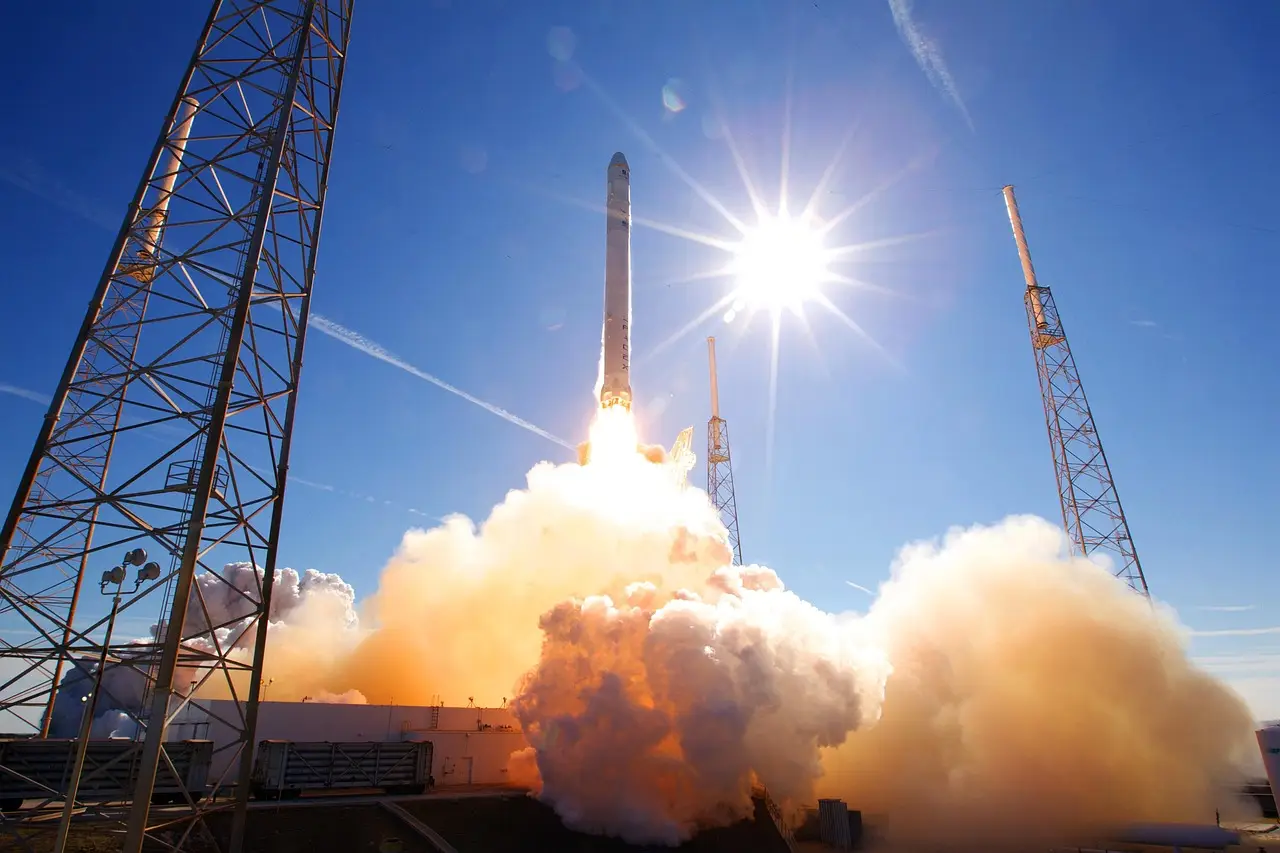
SpaceX has scheduled its first-ever attempt to catch the upper stage of its Starship megarocket with the "chopstick" arms of its launch tower for today, Nov. 14, at around 4:20 p.m. EST (2120 GMT; 3:20 p.m. local Texas time). The maneuver, if it succeeds, would mark the first time the company has recovered the Ship (the upper portion of the two-stage rocket) in this way — roughly 22.5 hours after the vehicle lifted off on its 15th test flight.
Flight 15 rose into the sky from SpaceX's Starbase site in South Texas on Friday evening, Nov. 13. The mission plan called for something unprecedented in the history of orbital rockets: bringing both stages back to Starbase and catching each one with the launch tower's mechanical arms, nicknamed "chopsticks" (the pair of hinged arms on the tower designed to grasp a returning rocket mid-air).
That double recovery did not happen. SpaceX diverted the Super Heavy booster — the first stage that powers Starship off the pad — to a controlled splashdown in the Gulf of Mexico 6.5 minutes after launch, for reasons that remain unclear. But the company kept the Ship catch on the table, and that alone would be historic.
There is no guarantee the attempt will proceed. If SpaceX detects anything off-nominal with Ship, it will scrap the catch, just as it did with Super Heavy on Friday afternoon.
What happened on Flight 15?
The double-catch attempt was the headline objective, but the mission carried other goals. One was getting Ship to orbit, a milestone achieved on just one previous Starship launch — Flight 14, which lifted off on Sept. 28.
On Flight 14, Ship deployed 26 of SpaceX's next-generation Starlink V3 broadband satellites in low Earth orbit (the region of space below roughly 2,000 kilometers, where most satellites operate). Flight 15 repeated the feat, deploying another 26 of the spacecraft.
These 52 satellites are the first members of a constellation that, if all goes according to SpaceX's plan, will eventually consist of 100,000 satellites.
Why does the catch matter?
SpaceX has ambitions far beyond broadband. According to Elon Musk, the company plans to use Starship to assemble an even bigger network in low Earth orbit: Starmind, an AI data-center constellation that would harbor a million spacecraft. For context, SpaceX's current-generation Starlink network employs about 11,000 satellites at the moment.
Building megaconstellations of that scale demands an extraordinary launch cadence. SpaceX says the double chopstick catch is central to that vision, because recovering vehicles on the launch tower enables quicker inspection, refurbishment and reflight of Starship — the difference between hauling a rocket back from an ocean splashdown and having it delivered, intact, to the place where crews can service it.
What comes next?
The company will doubtless try the maneuver again soon, probably on the next Starship flight, which will not be far down the road.
For now, observers can watch the catch attempt live. Whether the chopsticks close on Ship this afternoon, or SpaceX calls off the attempt at the last moment, depends on the vehicle's condition — and on a company willing to walk away from a historic first if the data looks wrong.
via space.com (Source)
More from Priya Raman
Show full bio
Senior reporter covering people, launches and day-to-day practice in general science news at SciBeat.
395 articles
Nearby plates
- SpaceX Aims for First-Ever Double Catch of Starship's Two Stages
- Starship reaches orbit, but booster explosion ends SpaceX double-catch bid
- SpaceX Readies Double Catch of Starship Booster and Ship on Flight 15
- Starship Flight 15 Launches Nov. 13 — Here's How to Spot It
- SpaceX aims for first-ever catch of Starship on flight 15