Plate Nº 59 · recorded November 15, 2026
Space & AstronomyReported finding
SpaceX Catches Starship Upper Stage in Midair, a First for Orbital Spacecraft
SpaceX caught Starship's upper stage in midair at Starbase, Texas, on November 14, 2026 — the first orbital spacecraft recovered this way after 14 orbits.
By Priya Raman3 min read590 words
In brief
- On November 14, 2026, SpaceX caught Starship's upper stage in midair for the first time.
- Ship 42 completed 14 orbits at roughly 265 kilometers before the catch at about 3:20 p.m. CST.
- The flight lasted about 22 hours, launching from Starbase on Friday, November 13, 2026.
- An anomaly after launch forced controllers to divert the Super Heavy booster, which exploded over the Gulf of Mexico.
- NASA Administrator Jared Isaacman called the catch "almost magic."
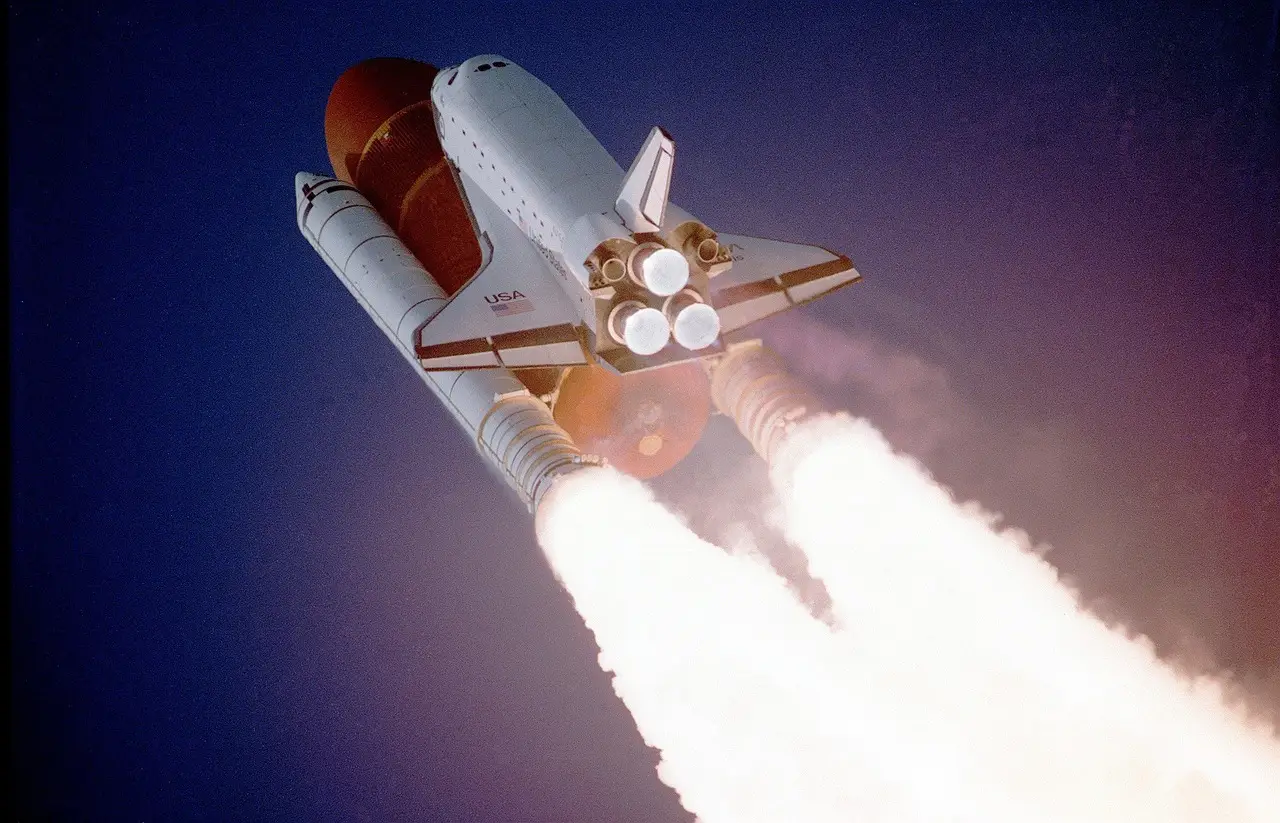
On Saturday, November 14, 2026, at roughly 3:20 p.m. CST, SpaceX caught the returning upper stage of its Starship rocket in midair with mechanical tower arms at its Starbase facility in South Texas — the first time an orbital upper-stage spacecraft has returned from space and been plucked out of the air at its launch site.
The vehicle, designated Ship 42, descended through overcast skies over Boca Chica, fired its engines to hover, and settled between the waiting arms of the launch tower at Launch Pad 2. SpaceX and spaceflight fans almost universally call the giant mechanical arms "chopsticks"; the tower itself carries the nickname "Mechazilla."
The catch capped Integrated Flight Test 15, or IFT-15, the latest in SpaceX's series of Starship test flights. And it capped far more than a single mission.
How did the flight unfold?
Ship 42 lifted off from Starbase on Friday evening, November 13 — about 22 hours before the catch. The spacecraft completed 14 orbits of Earth at an altitude of roughly 265 kilometers (165 miles). It then re-entered the atmosphere, putting upgraded thermal protection tiles to the test against extreme reentry heat. The tiles are the spacecraft's heat shield, the layer that must survive temperatures hot enough to destroy an unprotected vehicle.
Surviving reentry and hitting a pinpoint landing target is vastly more complex for an orbital ship than for a booster. An orbital spacecraft travels significantly higher and faster than a first-stage booster, so the margin for error shrinks on both the heat shield and the guidance.
The flight did fall just short of complete success. SpaceX had hoped to catch both rocket stages during Flight 15. The company has already mastered catching the Super Heavy first-stage booster, the lower stage that provides initial thrust at liftoff, on earlier test flights. But an unspecified anomaly shortly after Friday's launch forced flight controllers to abort the booster's return. They diverted it over the Gulf of Mexico, where it exploded before splashdown.
Despite the lost booster, recovering the upper stage represents a massive leap forward for the program.
Why catch a rocket with a tower?
The maneuver is central to SpaceX's goal of rapid reusability — reflying the same vehicles quickly, the way airlines reuse aircraft rather than discard them after one trip. Ditching heavy landing legs in favor of tower catches removes hardware the spacecraft would otherwise have to carry on every flight, weight that cuts directly into payload capacity.
That capability matters beyond SpaceX's own ambitions. Rapid reusability is essential for driving down launch costs and for supporting NASA's Artemis lunar program, which depends on Starship as its crewed lunar lander.
NASA Administrator Jared Isaacman hailed the catch as:
"... Almost magic."
Spaceflight fans, judging by the reaction to the weekend's events, appear to agree. Say what you will about Elon Musk; his company continues to astonish both new and longtime followers of spaceflight, and Saturday's midair capture stands as the latest evidence.
The achievement fits a pattern. SpaceX first demonstrated booster catches on earlier test flights, then repeated them. Saturday's catch applies the same approach to the harder half of the system — the part that must survive orbital speeds.
The bottom line: on November 14, 2026, SpaceX grabbed Starship out of the air with Mechazilla's arms at Starbase in South Texas, achieving the first midair catch of an orbital-class upper stage and marking another major milestone on the road to a fully and rapidly reusable rocket.
via en.wikipedia.org (Original)
More from Priya Raman
Show full bio
Senior reporter covering people, launches and day-to-day practice in general science news at SciBeat.
401 articles
Nearby plates
- SpaceX Aims for First-Ever 'Chopsticks' Catch of Starship Upper Stage
- SpaceX Catches Starship With Tower 'Chopsticks' After 22-Hour Flight
- SpaceX Readies Double Catch of Starship Booster and Ship on Flight 15
- SpaceX Aims for First-Ever Orbiter Catch as Starship Flight 15 Launches
- Starship reaches orbit, but booster explosion ends SpaceX double-catch bid