Plate Nº 71 · recorded November 12, 2026
Space & AstronomyReported finding
SpaceX's 2nd Classified Space Force Launch in 6 Days Lifts Off
SpaceX flew its second classified Space Force mission in six days on Nov. 11, the 120th Falcon 9 launch of 2026. Details remain classified, but experts suspect Starshield satellites.
By Nathan Brooks3 min read610 words
In brief
- A Falcon 9 launched the classified USSF-627 mission from Vandenberg on Nov. 11 at 11:36 p.m. EST.
- It was SpaceX's second Space Force mission in six days, following USSF-432 on Nov. 6.
- USSF-627 was the 120th Falcon 9 flight of 2026 and the 15th national-security launch of the year.
- Both boosters landed on the droneship 'Of Course I Still Love You' about 8.5 minutes after liftoff.
- The Starlink constellation currently exceeds 11,000 satellites.
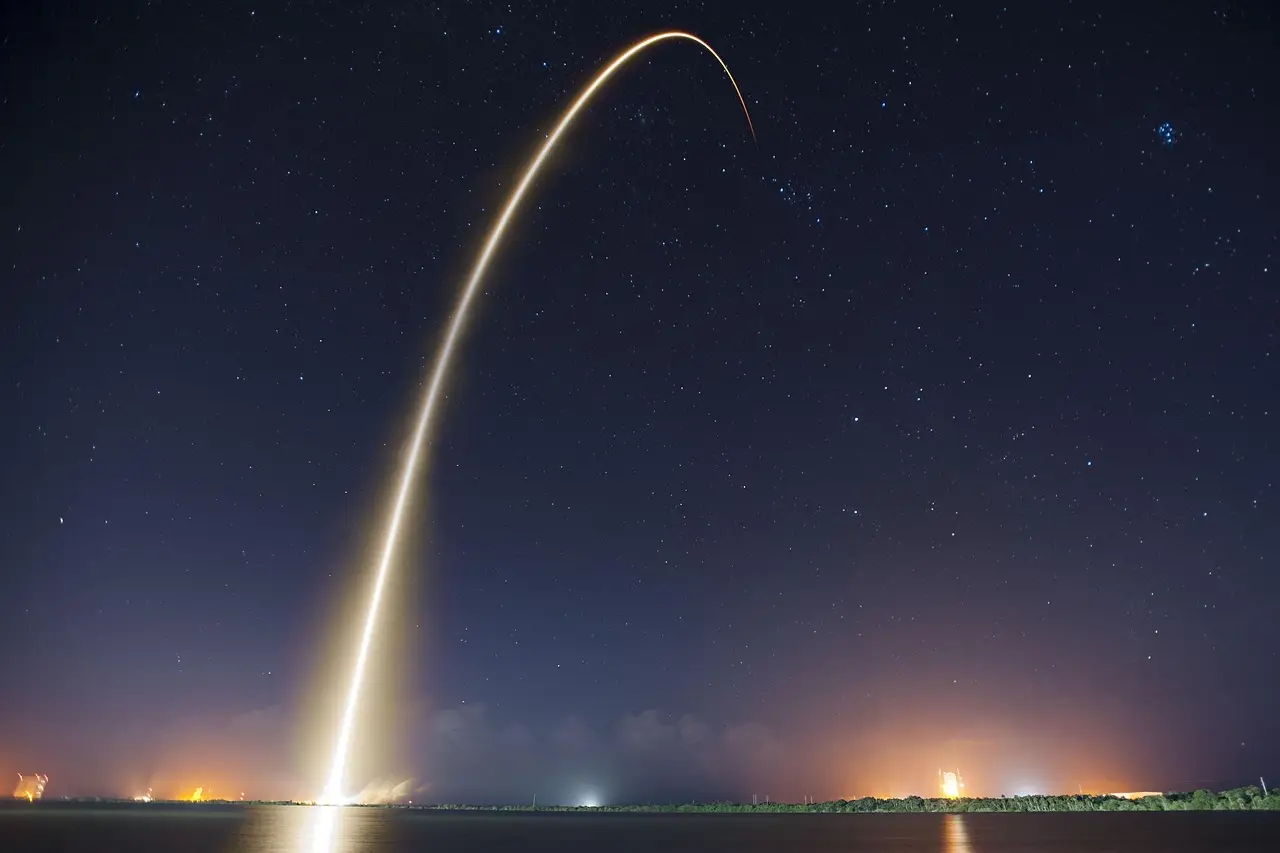
SpaceX launched its second classified U.S. Space Force mission in six days on Nov. 11, when a Falcon 9 rocket lifted off from California's Vandenberg Space Force Base at 11:36 p.m. EST (8:36 p.m. local time; 0136 GMT on Nov. 12).
The mission, called USSF-627, is classified, so its payload and purpose remain officially unknown. It follows a nearly identical flight on Nov. 6, when another Falcon 9 carried the USSF-432 mission skyward from the same coastal base. That's two mystery launches from Vandenberg in under a week — a site known for its gorgeous but often foggy central-coast scenery.
What do we actually know about these missions?
Not much, by design. SpaceX didn't reveal details about either USSF-627 or USSF-432, and the company cut off both launch webcasts shortly after the rockets' first stages returned to Earth. In plain terms, a webcast is the live video feed that usually tracks a mission through most of its flight — ending it early keeps classified payloads out of public view.
In both cases, that first-stage touchdown came about 8.5 minutes after liftoff. Each booster landed on the SpaceX droneship "Of Course I Still Love You," a floating recovery platform stationed downrange of Vandenberg in the Pacific Ocean.
The USSF-627 booster, designated B1103, was flying its seventh mission. Its previous flights include NROL-179, SDA-T1TL-E, SDA-T1TL-A and three Starlink missions, according to the mission record.
What might these rockets have carried?
Some experts have speculated that each mission launched a batch of SpaceX's Starshield satellites for the Space Force's Space Based Sensing and Targeting portfolio. Starshield is SpaceX's government-focused counterpart to its commercial Starlink broadband network, and the sensing-and-targeting portfolio helps the military branch track potential targets around the world.
That remains speculation, not confirmed fact. Neither SpaceX nor the Space Force has publicly described the payloads, and the early webcast cutoffs leave observers with little to go on beyond launch timing and trajectory.
How busy has SpaceX's year been?
The numbers tell the story. USSF-627 was the 120th Falcon 9 launch of 2026 and the rocket's 15th national-security flight of the year to date. Eighty-five of those 120 flights — roughly seven in 10 — have gone toward building out SpaceX's Starlink broadband constellation in low Earth orbit, which currently consists of more than 11,000 satellites.
For context, that constellation is larger than any other satellite fleet in orbit by a wide margin, and it's still growing at a pace of more than a dozen Starlink-dedicated launches per month on average.
Even so, the Falcon 9 isn't on a record-breaking cadence this year. In 2025, the rocket flew a whopping 165 missions, 122 of which were Starlink flights. At 120 flights with roughly six weeks left in the year by mid-November, 2026's total is pacing behind that mark.
Why do classified launches keep coming from Vandenberg?
Vandenberg sits on California's central coast and specializes in flights toward polar and southward orbits — trajectories that suit Earth-observation and missile-tracking satellites, which is consistent with the Starshield speculation. The base has become a regular host for national-security missions, and this week's back-to-back flights show how routine such classified launches have become for SpaceX and the Space Force.
Whether the payloads are Starlink-derived sensor satellites or something else entirely, the public record now holds two dates, two mission names and one recurring pattern: liftoff, an 8.5-minute booster landing, and silence.
via space.com (Source)
More from Nathan Brooks
Show full bio
Market editor covering companies, deals and strategy in general science news at SciBeat.
325 articles
Nearby plates
- SpaceX launches classified USSF-432 mission from California
- Starship Flight 15 targets Nov. 13, but dual catch needs FAA approval
- SpaceX Aims for First-Ever Double Starship Landing on Friday
- Crew-13 Launches: Four Astronauts Head to Space Station
- MMX Launches: First Mission to Land on Mars's Moon Phobos