Plate Nº 94 · recorded November 10, 2026
Space & AstronomyReported finding
Nov. 9, 1967: The Day the Saturn V Shook Florida and Saved NASA's Moon Plan
On Nov. 9, 1967, NASA flew its 363-foot Saturn V for the first time. The uncrewed Apollo 4 test shook Florida and paved the way to the moon landing of July 1969.
By Marcus Bennett3 min read561 words
In brief
- NASA launched the first Saturn V on Nov. 9, 1967, on the uncrewed Apollo 4 mission.
- The 363-foot rocket was the largest ever built at the time; the mission lasted 8 hours 36 minutes.
- The Apollo 1 pad fire killed astronauts Gus Grissom, Ed White and Roger Chaffee on Jan. 27, 1967.
- A Saturn V launched Apollo 8 astronauts to the moon in 1968 and Apollo 11 to the first crewed landing in July 1969.
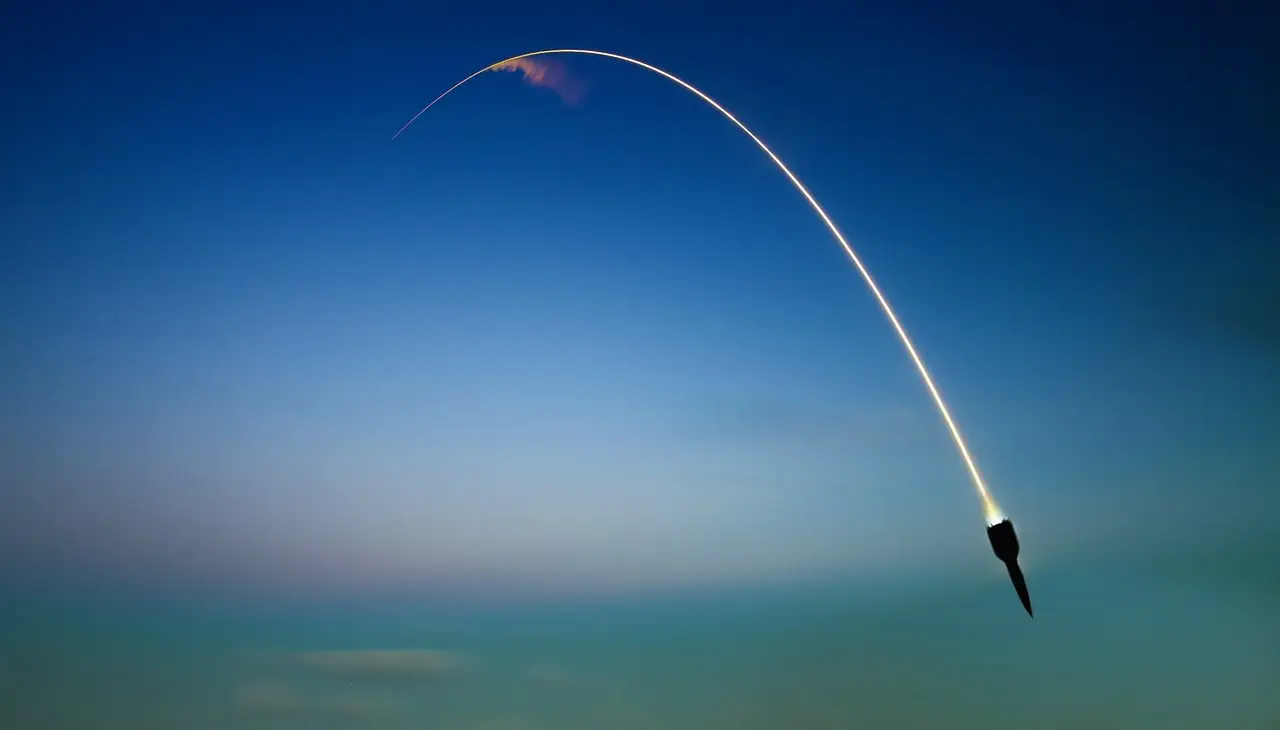
On Nov. 9, 1967, NASA launched the Saturn V moon rocket for the first time — and the 363-foot booster shook buildings miles from the pad, raining dust and debris across the brand-new Kennedy Space Center in Florida.
The rocket stood taller than the Statue of Liberty. At the time, it was the biggest and most powerful rocket anyone had ever built, a record it held until SpaceX's Starship megarocket surpassed it decades later. NASA needed that muscle for one job: carrying astronauts to the moon and back.
Yet the maiden flight carried no crew. Apollo 4 was a test flight, and its uncrewed command module splashed down in the Pacific Ocean after a mission lasting 8 hours and 36 minutes.
Why did NASA fly the Saturn V empty?
NASA had bet the entire moon program on this one vehicle. The Saturn V was a three-stage heavy-lift rocket designed to carry a crew capsule and a lunar lander to the moon. Before Apollo 4, no Saturn V had ever flown a full mission.
The agency had also never launched anything from its new spaceport. To support Apollo, NASA built Launch Complex 39 at what is now the Kennedy Space Center — today the home port of U.S. human orbital spaceflight. In 1967, the pads there had a flight record of zero.
Everything went according to plan.
Wernher von Braun, the rocket pioneer who directed NASA's Marshall Space Flight Center in Huntsville, Alabama, described the flight in detail at the time: "It was really an expert launching all the way through from lifting off exactly on time to performance of every single stage."
For engineers and program managers, that single clean flight retired the biggest technical unknown in the Apollo plan — whether an unflown, three-stage superbooster could perform end to end.
What did the launch change for NASA?
The timing mattered as much as the hardware. Just months earlier, on Jan. 27, 1967, Apollo 1 astronauts Gus Grissom, Ed White and Roger Chaffee died on the launch pad when a fire broke out inside their command module during a ground test. The agency entered the Saturn V's debut on its heels, mourning three crew members and facing questions about the program's future.
The Apollo 4 flight answered some of those questions. George Mueller, NASA's then-Associate Administrator for Manned Space Flight, said the launch delivered a broader payoff: "The maiden voyage of the Saturn V dramatically increased the confidence of people across the nation in the management of the largest research and development undertaking in which the western world has ever engaged."
The results came quickly after that:
- One year later, in 1968, a Saturn V launched the first astronauts to the moon on Apollo 8.
- Every Apollo mission that followed also flew on a Saturn V.
- In July 1969, just two years after the debut flight, a Saturn V carried the Apollo 11 crew on the first crewed moon landing.
A turning point, measured in milestones
The Apollo 4 launch stands as the hinge moment between tragedy and triumph in NASA's moon campaign. One uncrewed test flight validated the rocket, the launch site and the agency's engineering judgment in a single 8-hour, 36-minute mission.
Two years later, the same class of rocket put boot prints on the moon.
via space.com (Source)
More from Marcus Bennett
Show full bio
News editor covering regulation, policy and their impact on general science news at SciBeat.
370 articles
Nearby plates
- Starship reaches Earth orbit for the first time — with 26 satellites and an engine failure
- NASA Commits Over $1.3 Billion to Build Out Its Moon Base Campaign
- Starship Reaches Orbit for First Time, Delivers 26 Starlink Satellites
- Starship Reaches Orbit for the First Time and Deploys 26 Starlink Satellites
- SpaceX Launches Crew-13: Fast Track to Space Station Begins