Plate Nº 81 · recorded November 16, 2026
Space & AstronomyReported finding
ULA Vulcan Rocket Fails in Flight, Stranding Amazon Satellites
ULA's Vulcan rocket failed 10 minutes into flight on Sunday, its first loss since 2006, leaving Amazon Leo broadband satellites short of orbit and delaying a 3,300-satellite constellation.
By Priya Raman5 min read918 words
In brief
- Vulcan failed 10 minutes into flight on Sunday, ULA's first outright launch failure since the company formed in 2006.
- The anomaly occurred during the Centaur upper-stage burn on Vulcan's fifth flight overall.
- Amazon has contracted 38 Vulcan missions for its planned 3,300-plus-satellite Leo broadband constellation; only 435 satellites had launched before the failure.
- The mission endured three days of delays: a nitrogen plant failure, communication problems, and a T-minus 20-second hold.
- NASA Administrator Jared Isaacman offered the agency's assistance with the investigation.
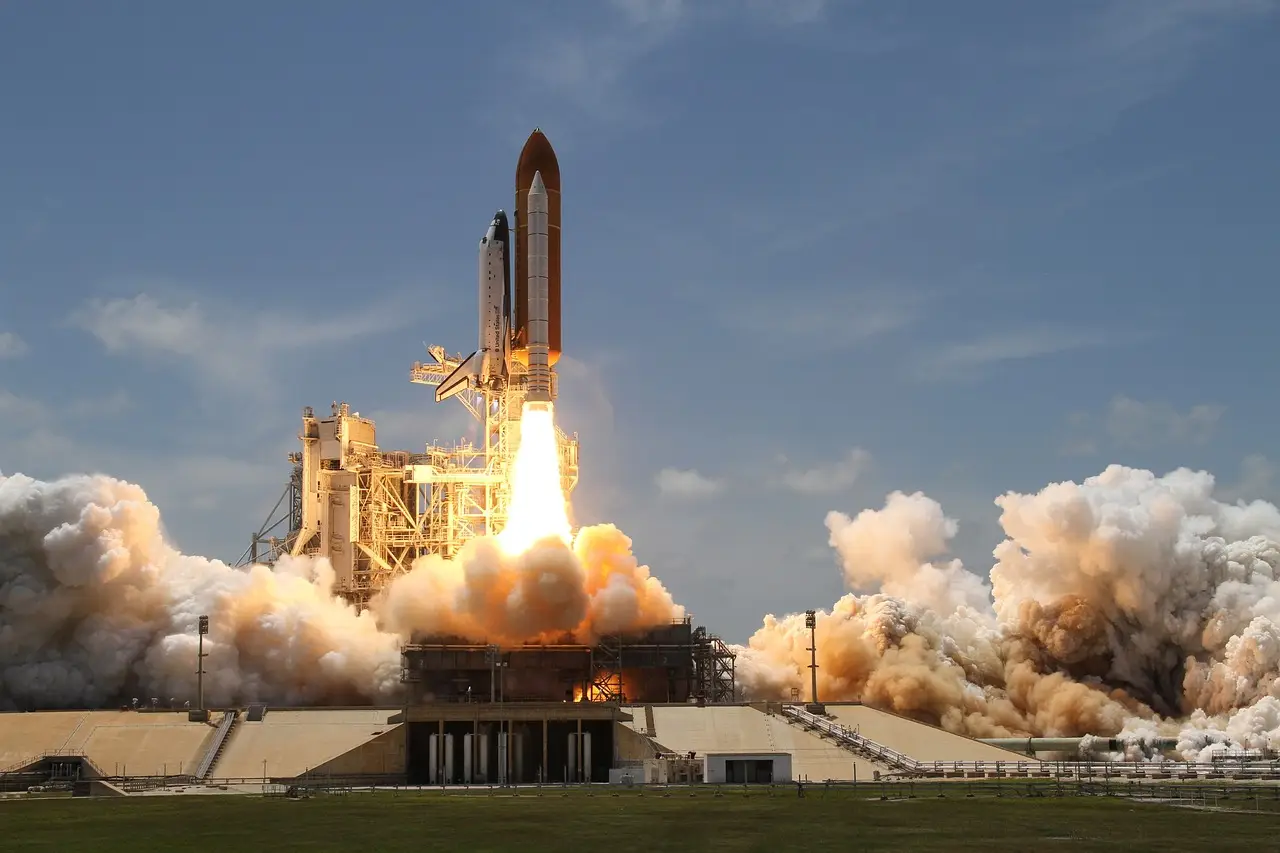
United Launch Alliance suffered its first outright launch failure in nearly two decades on Sunday, when its Vulcan rocket broke from its flight plan about 10 minutes after liftoff and failed to deliver a batch of Amazon Leo broadband satellites to orbit.
The 214-foot-tall rocket lifted off from Space Launch Complex 41 at Cape Canaveral Space Force Station at 12:40 p.m. EST. Roughly 50 minutes later, ULA confirmed the loss in a statement: "Based on data received by our Launch Director, we confirm that the Vulcan vehicle launched from Space Launch Complex 41 suffered an anomaly 10 minutes into the flight and failed to deliver the Amazon mission to orbit."
The company said it will work with Amazon and other organizations to determine the cause of the failure, identify corrective measures and establish a timeline for returning Vulcan to flight. The precise cause has not been publicly identified.
What went wrong during the flight?
Preliminary flight information points to the hydrogen-fueled Centaur upper stage (the rocket's second-stage engine, which fires after the booster falls away to push spacecraft into orbit). The rocket's six Northrop Grumman-built solid rocket boosters and its two methane-powered BE-4 first-stage engines initially appeared to perform as expected.
The solid boosters propelled Vulcan through the dense lower atmosphere, burning out and separating about 1 minute and 40 seconds after liftoff. The BE-4 engines kept firing, although their burn appeared to run longer than ULA's prelaunch timeline anticipated. The first-stage separation also occurred at an unexpected point in the flight sequence.
The Centaur then began a planned 12-minute, 15-second engine burn intended to place the Amazon satellites into their targeted orbit. Telemetry and the launch broadcast suggested the upper stage behaved unusually early in that burn, and it appeared to make unexpected orientation adjustments. ULA's commentators announced no problems during the broadcast, which ended without confirming whether the Centaur completed its firing. The company has released no additional technical details.
A troubled history before Sunday
Sunday's mission was only the fifth flight of Vulcan — the next-generation rocket developed to replace ULA's Atlas 5 fleet — and its first launch in approximately nine months. The flight schedule had already slipped because of nozzle problems on the solid rocket boosters, identified during two earlier missions, one in 2024 and another in February. ULA and Northrop Grumman spent months investigating and devising fixes, and the U.S. Space Force temporarily suspended Vulcan launches carrying national security payloads while it conducted additional analysis.
Before the launch, ULA CEO Mark Peller told Aviation Week & Space Technology that the company had identified three credible causes of the booster nozzle problems and taken steps to address them. The boosters appeared to perform normally on Sunday, suggesting the failure may lie elsewhere in the vehicle.
Peller also addressed concerns about the BE-4 engines, built by Blue Origin. Blue Origin had previously identified an oxygen-valve problem in one of the seven BE-4 engines on its New Glenn rocket, which suffered a catastrophic launch-pad explosion in May. According to Peller, Blue Origin developed a design improvement and retrofitted the engines on Sunday's Vulcan; the modifications were made at ULA facilities several months before launch.
What does this mean for Amazon's satellite network?
Sunday's launch was particularly important for Amazon, which has contracted with ULA for 38 Vulcan missions to deploy its Leo constellation — a satellite broadband network built to compete with SpaceX's Starlink. The completed network is expected to comprise more than 3,300 satellites.
Amazon has assembled a broad set of launch providers:
- 38 missions on ULA's Vulcan
- 24 aboard Blue Origin's New Glenn
- 24 on Europe's Ariane 6
- 13 on SpaceX's Falcon 9
Had Sunday's mission succeeded, it would have raised the total number of Leo satellites launched to 436. Instead, Amazon must await the outcome of ULA's investigation before its next Vulcan deployment can proceed. The company is also waiting for New Glenn's return following the May pad explosion, compounding delays to the deployment schedule.
Delays preceded the failure
Sunday's flight followed a string of countdown troubles. An attempt on Friday was scrubbed after technical problems disabled a gaseous nitrogen plant serving multiple launch providers at Cape Canaveral. On Saturday, ULA postponed again because of network communication problems between the rocket and ground systems. On Sunday, controllers called a hold at the T-minus 20-second mark after identifying an unexplained technical issue with the rocket. The countdown resumed once ULA resolved the problem, and the vehicle lifted off near the end of its launch window. It remains unclear whether that ground issue related to the in-flight anomaly.
Who is watching the investigation?
NASA Administrator Jared Isaacman publicly offered the agency's help. "Appreciate you quickly keeping the public and your partners informed," Isaacman wrote on X. "The team at @NASA is available to assist in all matters related to the investigation and remediation effort. Artemis, Moon Base, and the nation need ULA. We are in your corner and here to help."
ULA said it intends to remain transparent with customers throughout a rigorous review designed to identify the underlying cause and establish corrective actions. Commercial customers, NASA and the U.S. military all rely on ULA's launch capabilities and will follow the investigation closely.
For now, Vulcan's return-to-flight timeline remains uncertain.
via spacecoastdaily.com (Source)
More from Priya Raman
Show full bio
Senior reporter covering people, launches and day-to-day practice in general science news at SciBeat.
406 articles
Nearby plates
- Vulcan Centaur Returns to Flight With 40 Amazon Leo Satellites
- ULA Vulcan Rocket Cleared to Launch 40 Amazon Leo Satellites Friday
- ULA Vulcan Rocket Set for Saturday Liftoff from Cape Canaveral
- SpaceX Aims to Catch Both Starship Stages for the First Time
- Starship Aims for First-Ever Catch After Booster Abort Marries Flight 15