Plate Nº 46 · recorded November 15, 2026
Space & AstronomyReported finding
ULA Vulcan Rocket Set for Saturday Liftoff from Cape Canaveral
ULA's Vulcan rocket targets a Saturday liftoff at 12:32 p.m. EST from Cape Canaveral, carrying Amazon Leo broadband satellites toward a 3,000-satellite constellation.
By Marcus Bennett3 min read568 words
In brief
- Vulcan rocket liftoff is planned for 12:32 p.m. EST Saturday, with a window running through 1:01 p.m.
- The launch was originally scheduled for Friday afternoon before slipping one day.
- Launch Weather Officer Jimmy Taeger forecasts 15-20 knot northwesterly winds and a temperature near 69 degrees.
- The mission carries Amazon Leo broadband satellites into low Earth orbit from Space Launch Complex 41.
- Amazon's initial constellation is expected to exceed 3,000 satellites.
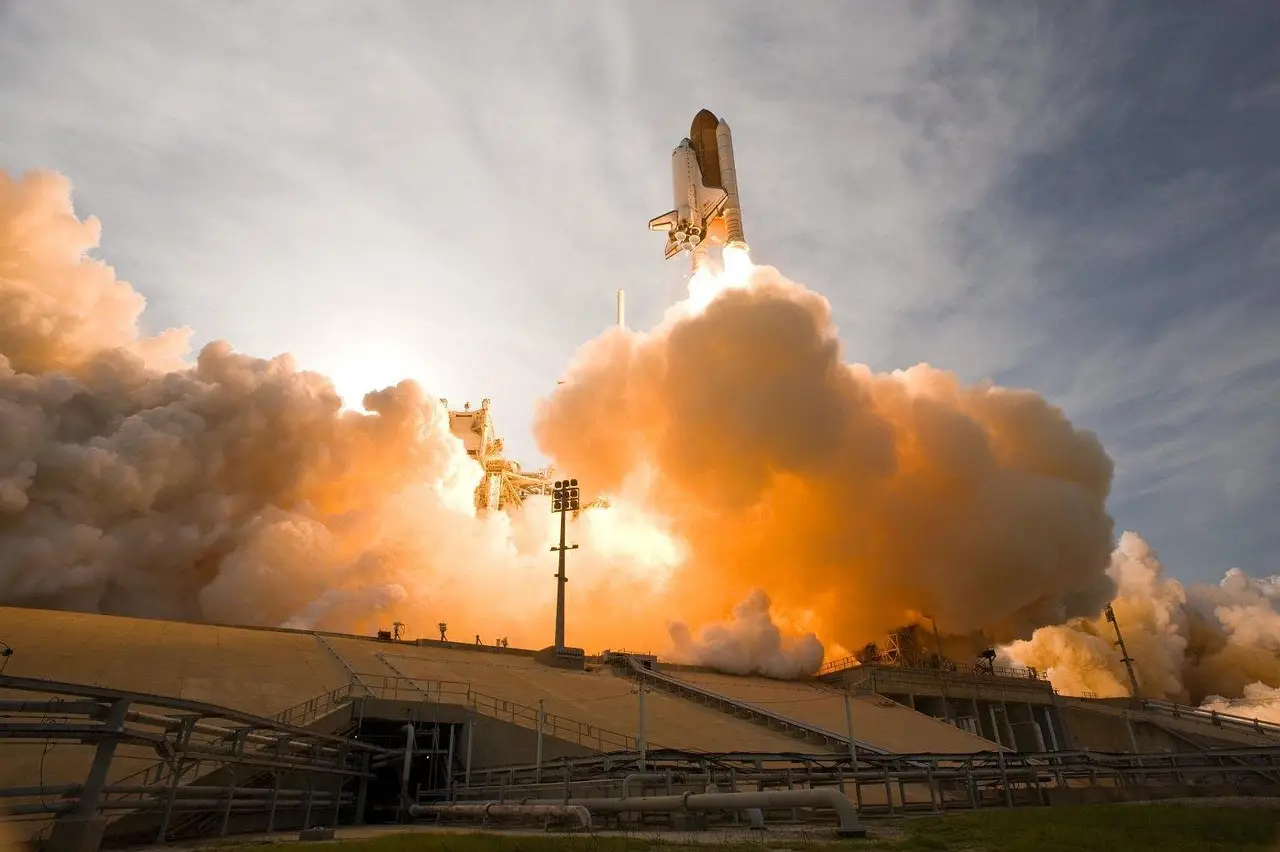
United Launch Alliance's Vulcan rocket is scheduled to lift off Saturday at 12:32 p.m. EST, a day later than originally planned, from Cape Canaveral Space Force Station in Florida. The launch was first slated for Friday afternoon before shifting to the weekend slot.
The launch window opens at 12:32 p.m. EST and runs through 1:01 p.m., giving controllers a 29-minute span to get the rocket off the pad from Space Launch Complex 41. Note that early coverage banners cited 12:54 p.m.; the detailed launch advisory lists 12:32 p.m. as the planned liftoff time inside that window.
Live coverage of the attempt airs on Space Coast Daily TV.
What will the weather allow?
Launch Weather Officer Jimmy Taeger, working with the Space Force's Space Launch Delta 45 weather squadron, has forecast conditions that appear broadly favorable for a Saturday attempt:
- Scattered high clouds
- Good visibility
- Northwesterly winds of 15 to 20 knots
- A temperature near 69 degrees
Winds in the 15-to-20-knot range are worth watching, but nothing in the forecast summary suggests an obvious showstopper. The squadron's role is to pin down whether conditions at the pad stay inside the Vulcan's safety limits through the window.
What is the rocket carrying?
The Vulcan rocket will carry spacecraft into low Earth orbit for Amazon Leo — the broadband constellation Amazon is building to deliver fast, reliable internet service to customers beyond the reach of existing networks.
Amazon's initial constellation is expected to include more than 3,000 satellites operating in coordinated orbits around Earth. Each launch deposits a batch of these spacecraft into low Earth orbit, the region a few hundred kilometers above the surface where most large internet constellations operate, because the short distance to the ground keeps signal delays low.
For Amazon, every successful launch chips away at the scale problem: a constellation of more than 3,000 satellites cannot be deployed one rocket at a time quickly, so cadence matters as much as capacity. For ULA, the mission adds to the Vulcan's track record as the booster takes on more of the company's manifest.
Why the one-day slip?
The launch was originally scheduled for Friday afternoon before moving to Saturday. That kind of short slide is routine in the launch business, where weather, range availability, and last-minute technical checks all share veto power over a liftoff time. The Space Coast Daily report did not specify which factor pushed this attempt to the weekend.
A 29-minute window gives the launch team flexibility: if upper-level winds or a technical issue delay the count, controllers can hold and retry within the window rather than stand down for a full day.
What happens next?
Watch for the rocket to rise from Space Launch Complex 41 between 12:32 p.m. and 1:01 p.m. EST Saturday, with Space Coast Daily TV carrying the live feed. If the Vulcan flies on time, Amazon Leo gains another batch of broadband satellites in low Earth orbit; if not, the next attempt would follow once the weather squadron and the range set a new opportunity.
One sentence to hold onto: a Vulcan rocket, a 29-minute window, and more than 3,000 satellites still to place in orbit — Saturday's 12:32 p.m. EST attempt moves that count forward.
via spacecoastdaily.com (Source)
More from Marcus Bennett
Show full bio
News editor covering regulation, policy and their impact on general science news at SciBeat.
418 articles
Nearby plates
- ULA Vulcan Rocket Cleared to Launch 40 Amazon Leo Satellites Friday
- Vulcan Centaur Returns to Flight With 40 Amazon Leo Satellites
- SpaceX aims for first-ever catch of Starship on flight 15
- Starship Flight 15 Launches Nov. 13 — Here's How to Spot It
- SpaceX Will Try to Catch Both Stages of Starship for the First Time