Plate Nº 55 · recorded November 15, 2026
Space & AstronomyReported finding
Euclid Telescope Maps One Billion Cosmic Objects in First Big Release
ESA's Euclid telescope logged over one billion cosmic objects in 13 months, releasing a 500-gigapixel mosaic and the largest catalog of gravitational lenses to date.
By Priya Raman3 min read649 words
In brief
- Euclid recorded more than one billion objects over 13 months of observation.
- The release's mosaic spans nearly 500 gigapixels, equal to at least 10,000 high-quality smartphone images, and includes more than 900 million galaxies.
- Euclid launched in 2023 and aims to image one third of the entire sky during its lifetime.
- The telescope assembled the largest catalog to date of gravitational lenses.
- The Horologium Supercluster image took 18 days and reaches objects up to 10 billion light-years away.
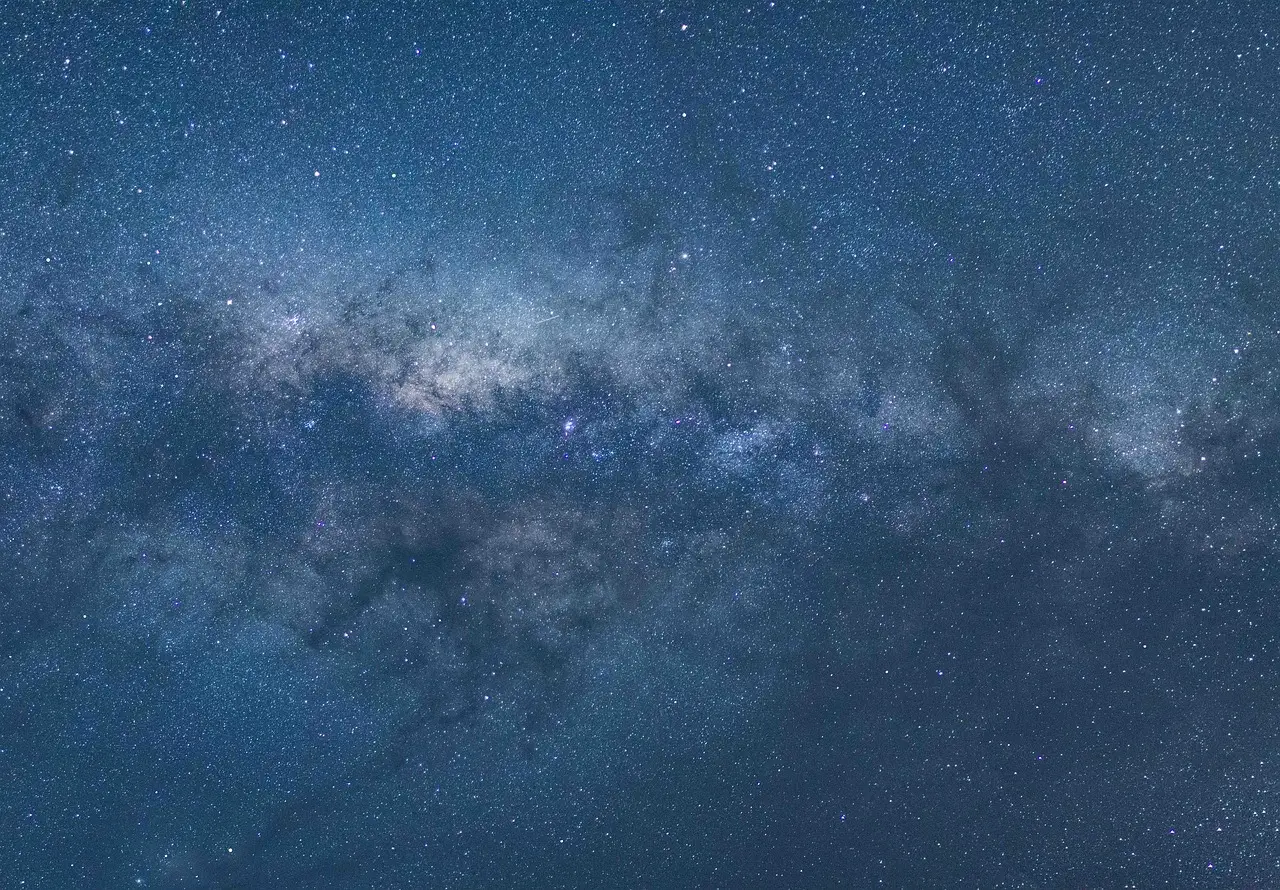
More than one billion cosmic objects now sit in the European Space Agency's hands after 13 months of observation by Euclid, the agency's newest space telescope. The first major batch of data, released this week, combines record-breaking scale with views that ESA's science director calls a scientific milestone.
"These are far more than beautiful pictures; today marks a scientific milestone in our study of the cosmos," said Carole Mundell, ESA's director of science, in a statement. "This major Euclid data release represents the largest space-based survey of its kind, laying the foundation of future discovery in a new regime for astronomy and demonstrating the excellence of European technology, science and international collaboration."
What is Euclid, and why does it matter?
Euclid launched in 2023 with a distinctive ambition: rather than staring deeply at narrow patches of sky, it captures wide panoramic views at high resolution. Over its operational lifetime, the telescope aims to image one third of the entire sky. The new release, drawn from just over a year of observations, represents the first substantial down payment on that goal.
The scale is difficult to grasp, so one comparison serves: the centerpiece mosaic spans nearly 500 gigapixels, the equivalent of at least 10,000 high-quality smartphone images stitched together. That single mosaic, built from 740 individual observations, contains more than 900 million galaxies.
What did the telescope actually see?
The release includes several standout images, each illustrating a different strength of the observatory.
-
The cosmic mosaic. The 500-gigapixel panorama forms the basis of what could one day become a full map of the sky, cataloguing hundreds of millions of galaxies.
-
Abell 3128. A cluster containing hundreds of galaxies of varied shapes, located roughly 800 million light-years from Earth. It belongs to the Horologium Supercluster.
-
The Horologium Supercluster in full. Euclid spent 18 days imaging this structure, which contains more than 30 smaller galaxy clusters. Because the supercluster stretches so far across space, it also stretches across time: its most distant objects appear as they were in the early universe, up to 10 billion light-years away.
-
Messier 81 and its neighbors. This "grand-design" spiral galaxy (a term for spiral galaxies with prominent, well-defined arms) lies about 12 million light-years away. The image also captures NGC 3077 and other galaxies—and Euclid needed only about an hour to take it, a striking demonstration of its speed. A companion close-up shows Messier 81 alongside a slew of individual stars resolved in fine detail.
-
Gravitational lenses. The release features a collection of lenses, which form when light from far-out galaxies is distorted by nearer galaxies lying in the line of sight. Euclid has now assembled the largest catalog of these lenses to date. Astronomers use them primarily to measure the masses of different galaxy components.
NGC 1291. A ring galaxy also known as the Golden Eye galaxy, roughly 33 million light-years away, shown in a close-up that displays the telescope's eye for detail.
What comes next?
The 18-day exposure of the Horologium Supercluster hints at the patience the mission demands, while the one-hour image of Messier 81 shows the efficiency that makes the project feasible. Both images come from the same instrument, surveying the same sky.
The current release covers a fraction of the sky Euclid intends to map. If the telescope completes its goal of imaging one third of the entire firmament, the billion objects announced this week will look modest. Mundell's framing of the release as a foundation, rather than a culmination, reflects that arithmetic.
For now, the mission's first year has delivered a mosaic of nearly 500 gigapixels, the largest catalog of gravitational lenses ever assembled, and a census of more than one billion objects. The pretty pictures, as Mundell made clear, are only part of the point.
via scientificamerican.com (Source)
More from Priya Raman
Show full bio
Senior reporter covering people, launches and day-to-day practice in general science news at SciBeat.
395 articles
Nearby plates
- Euclid's First Data Haul: 900 Million Galaxies in 2.5 Trillion Pixels
- Euclid releases data on 900 million galaxies for a 3D cosmos map
- Euclid Telescope Logs Nearly a Billion Cosmic Objects in First Big Data Drop
- Euclid's first major data release captures over 1 billion cosmic objects
- Euclid's First Data Release Images 900 Million Galaxies