Recorded November 27, 2026
Earth & ClimateReported finding
Vietnam's logged forests showed no net carbon gain from 2016 to 2024
Field surveys across 24 plots in a central Vietnam reserve found no net carbon gain from 2016 to 2024, as heat-driven tree deaths offset growth and undercut forest-offset assumptions.
By Marcus Bennett4 min read720 words
In brief
- No net increase in trunk and branch carbon between 2016 and 2024 in once-logged central Vietnam forests
- Selective logging in the region ended in 2007, after intense logging from 1982 to 2007
- Recovery rates fell well below IPCC estimates for the region and below rates for comparable logged forests in Southeast Asia
- 24 study plots measured by hand, with four full survey rounds since 2016
- Động Châu–Khe Nước Trong was designated a nature reserve in 2020
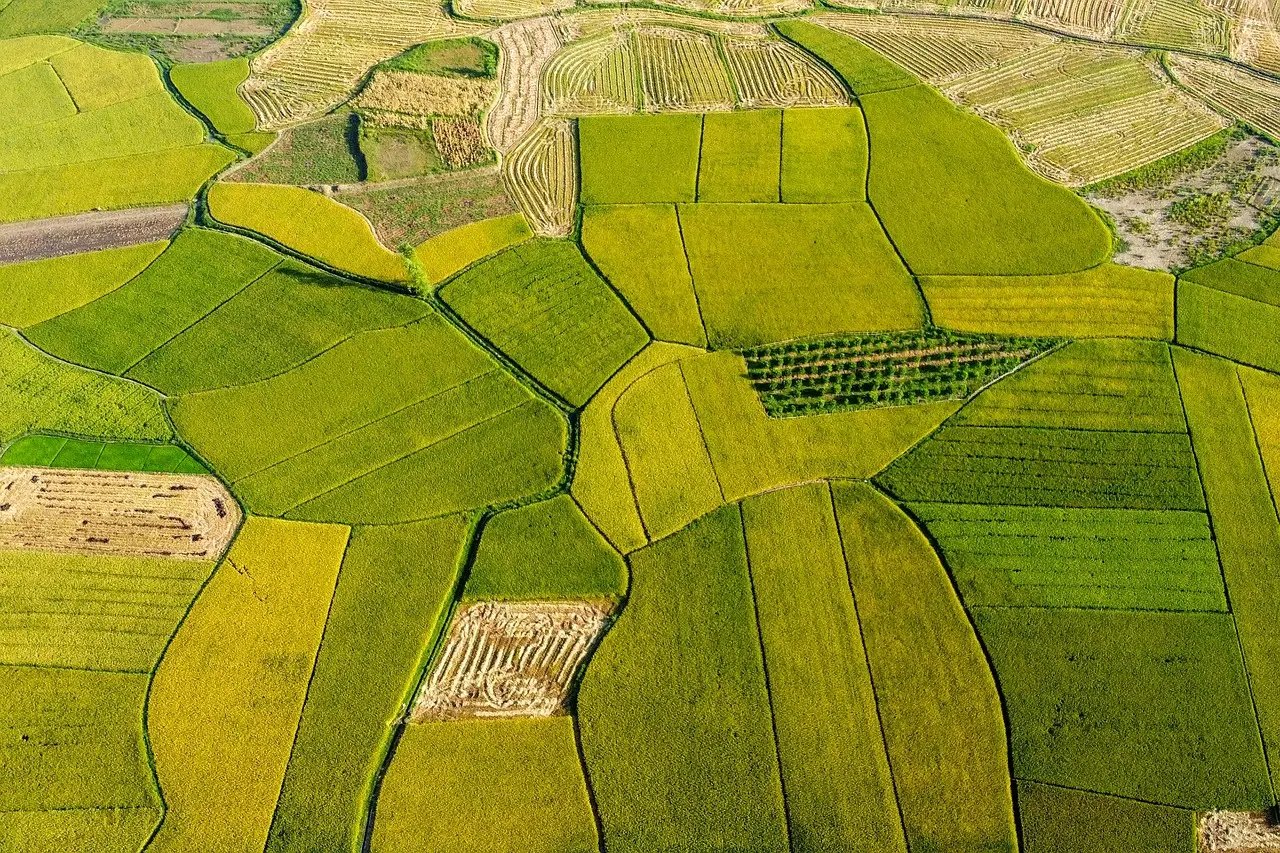
Between 2016 and 2024, the tropical forests of central Vietnam gained no net carbon in their trunks and branches, according to field data published in Environmental Research Letters. The trees kept growing, but tree deaths cancelled out almost all of that growth, and recovery ran far below the rates the UN's Intergovernmental Panel on Climate Change estimates for the region.
That result undercuts a core assumption behind forest-offset schemes: that logged tropical forest, left alone, will bounce back quickly and absorb carbon dioxide as it grows. The study suggests that assumption is overly optimistic.
What did the researchers actually measure?
The team monitored forests in Động Châu–Khe Nước Trong, a nature reserve in central Vietnam. Logging ran particularly intense across Vietnam's tropical forests between 1982 and 2007, and selective logging in the region ended in 2007.
The survey design was exhaustive:
- 24 study plots, with every tree in each plot measured
- Hand measurements with a tape measure, plus species identification for each tree
- A record of which trees had died, so mortality could be weighed against growth
- Four full survey rounds since 2016, covering 2016 to 2024
In 2024, the field team numbered 12 people, and one researcher spent nearly two months camping in the reserve. Access meant wading up riverbeds over slippery rock rather than following clear trails, in heavy heat and constant mosquitoes.
The site also carries a policy history: long-term monitoring by the team and its partners supplied the evidence that helped secure nature reserve designation in 2020.
Meanwhile, forest cover across Vietnam has grown since the 1990s through plantations and natural regeneration, though the quality of that recovery has remained unclear.
Takeaway: the conclusion rests on repeated, tree-by-tree measurement over eight years, not on remote sensing alone.
Why did recovery stall?
Part of the explanation sits in the conditions that made fieldwork punishing. The researchers linked rising maximum temperatures to lower carbon gains across their plots. In 2024, the region endured a severe, prolonged heat wave in April and four heat waves in a row in August.
The mechanism is straightforward: heat already limits tree growth here. Trees continue adding size and carbon, but mortality takes back nearly the same amount, leaving the net balance flat. The team reported recovery rates far below IPCC estimates for the region and below rates published for comparable logged forests in Southeast Asia.
Takeaway: ending logging is not sufficient by itself, because hotter years erase carbon gains even while trees grow.
Why does this matter for carbon markets?
Governments and global carbon markets — trading systems that reward emissions cuts — invest heavily in natural climate solutions, often planting trees that absorb carbon through photosynthesis to offset emissions elsewhere. Those schemes lean hard on the rebound assumption.
When the assumption fails, errors run in both directions:
- Projects may overestimate how much carbon recovering tropical forest can absorb, inflating claimed removals.
- Projects may underfund the protection young, regrowing forest needs, since those stands are especially vulnerable to repeated logging and clearing.
- Article 6 mechanisms under the Paris climate agreement, which let countries cooperate toward their climate pledges, tend to work from generalized recovery estimates instead of measured local forest function.
- Southeast Asia hosts the majority of profitable forest restoration projects, so regional bias carries global pricing consequences.
Takeaway: carbon accounting built on generic recovery rates can overstate removals while underfunding the forests that already hold the most carbon.
What did protection buy?
One result stands on the positive side. Despite harsh conditions and a history of repeated disturbance, these forests kept almost all the carbon stored in their trunks and branches intact. Nature reserve status, secured in 2020, helped block further degradation through logging.
The researchers described the effort in blunt terms: "Sleeping in hammocks in humid jungles, enduring insect swarms and battling steep terrain isn't just about collecting data; this research offers a true insight into how forests are functioning in a changing world."
Their policy conclusion is equally direct: realistic climate solutions in a warming world require policies grounded in committed local field surveys, however hard those surveys are to collect.
What to take from this: logged tropical forest in a hotter climate does not automatically rebuild its carbon, so protection and restoration budgets need field measurements rather than assumptions.
via phys.org/rss-feed/ (Source)
More from Marcus Bennett
Show full bio
News editor covering regulation, policy and their impact on general science news at SciBeat.
638 articles
Nearby plates
- 22-year study: selective logging better preserved forest recovery
- Protecting Standing Amazon Forests Beats Restoration, Study Finds
- Japanese forests shift toward warmer-climate tree species
- Indonesia's 2026 Wildfires Could Take 350 Years to Fully Heal
- Hidden leaf cycles shift Amazon carbon estimates by 9.4%