Recorded November 25, 2026
Biology & EvolutionReported finding
Waste CO₂ Becomes Protein-Rich Food Fungus in Seven Days
Washington University researchers turned waste CO₂ into an edible fungus with 48.5% protein in seven days, using 75 times less water per kilogram of protein than beef production requires.
By Nathan Brooks4 min read811 words
In brief
- Biomass of Neurospora intermedia contains 48.5% protein, versus 20.4% for beef and 36% for soy.
- The fungus grows in seven days, compared with 645 days for beef and 122 days for soy.
- One kilogram of fungal protein requires about 794 kg of water, versus 75,600 kg for beef.
- The system produces 513 times more protein per unit of land than beef and converts sunlight at 4.35% efficiency.
- The findings were published Nov. 20 in One Earth by researchers at WashU's McKelvey School of Engineering.
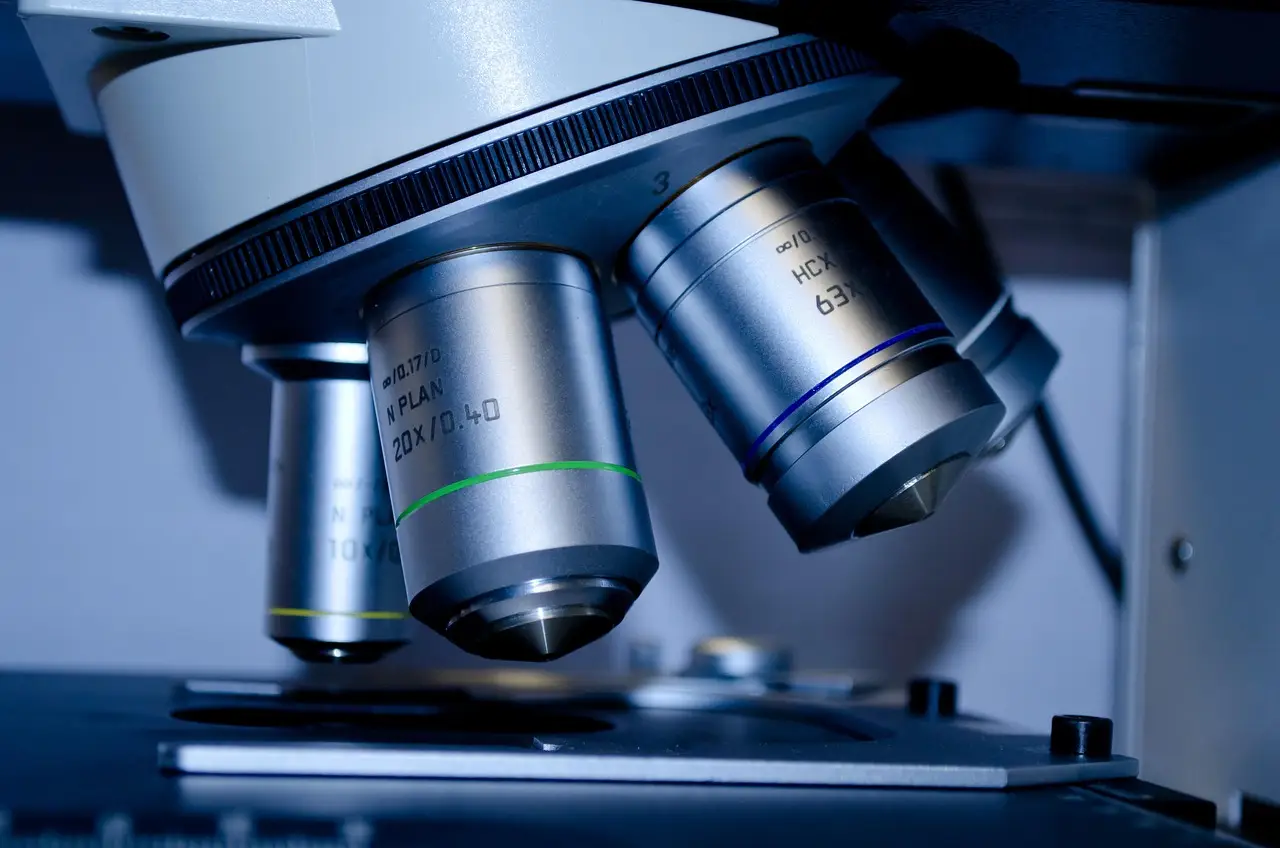
A fungus grown from waste carbon dioxide can match beef's protein in seven days instead of 645, researchers at Washington University in St. Louis reported Nov. 20 in the journal One Earth.
The team converted CO₂ into protein-rich Neurospora intermedia, an edible fungus whose biomass contains 48.5% protein — well above beef at 20.4% and soy at 36%. And they did it using artificial photosynthesis: a copper-gold tandem catalyst powered by electricity, with no farmland required.
"We wanted to see if this system could be used to address food shortages and boost nutrition, and this study demonstrates that," said Joshua Yuan, the Lucy & Stanley Lopata Professor and chair of the Department of Energy, Environmental & Chemical Engineering at WashU's McKelvey School of Engineering.
Why build protein from CO₂?
Most dietary protein traces back to plants, because livestock eat grass, hay and other crops. That demand costs enormous amounts of land and water while generating greenhouse gas emissions. And it's growing: the U.N. Food and Agriculture Organization projects the world will need nearly 50% more agricultural production by 2050 than in 2012.
Yuan's team, including doctoral student Wei Wei, asked whether artificial photosynthesis could turn waste CO₂ into food without that environmental toll. Their answer combines electrocatalysis — using electricity and a catalyst to drive chemical reactions — with a fast-growing fungus that eats the resulting molecules.
What does the catalyst actually do?
The system's core is a copper-gold tandem catalyst, meaning two metals working in sequence. It converts CO₂ into small intermediate molecules that feed the fungus, while suppressing unwanted byproducts that would slow its growth.
The design choice was unusual. "Most catalysts are designed simply to make as much of the main product as possible, but this fungus is a picky eater," Wei said. "It grows well on ethanol and acetate but is inhibited by formate, so we designed the catalyst around what the fungus needs."
In plain terms: the researchers tuned the chemistry to suit the organism, not the other way around.
Yuan directs the Carbon Utilization Redesign for Biomanufacturing (CURB) Engineering Research Center, which funded related work. "We have already used the electro-biomanufacturing system we developed through CURB to produce plastics, biodiesel and different chemicals with waste carbon dioxide," he said.
How does it compare with beef and soy?
The numbers, per the study, are stark:
- Protein content: 48.5% of biomass, versus 20.4% for beef and 36% for soy.
- Production time: seven days, versus 645 days for beef and 122 days for soy.
- Water use: about 794 kilograms of water per kilogram of protein — roughly 210 gallons — compared with nearly 5,970 kilograms (1,580 gallons) for soybeans and 75,600 kilograms (20,000 gallons) for beef. That's 75 times less water than beef per kilogram of protein.
- Land efficiency: 22 times more protein per unit of land than soybeans, and 513 times more than beef.
- Energy conversion: 4.35% efficiency turning sunlight into edible biomass, about nine times better than soybeans.
Powered by solar or wind electricity, the process could achieve net-negative greenhouse gas emissions over its life cycle, according to Yuan — meaning it would remove more CO₂ than it releases.
Is the fungus safe to eat?
Neurospora intermedia may be unfamiliar to U.S. consumers, but it has a food track record. It's used to make oncom, a traditional fermented food in Indonesia, and it resembles the fungus-based meat alternatives already sold in American stores. Beyond protein, the biomass contains beta carotene, B vitamins and heart-healthy unsaturated fatty acids.
The study itself is a proof of concept, published in a peer-reviewed journal. The figures come from lab-scale production, so real-world costs and yields at commercial scale remain untested.
What comes next?
Yuan's lab plans to develop a consumer-ready product. "We want to scale up our production and commercialize the product as an affordable high-protein alternative to help address the problem of food insecurity or food deserts around the U.S.," he said. "It could also be used for space missions, in times of threats to national security and to improve public health."
Part of CURB's mission is spinning lab systems into startup companies. CURB researchers have already formed one startup and are launching another; a company to commercialize this protein process would be the third, Yuan said.
"CURB's goals are to develop the engineering system that creates the products that will transform society," Yuan said. "We have had excellent support from WashU, WashU Office of Technology Management, our other partner institutions and industries. We are excited to see this develop."
The paper is Wei Wei et al., "Tandem catalysis and bioprocess co-design enables efficient electro-biomanufacturing of sustainable protein from CO₂," One Earth (2026), DOI: 10.1016/j.oneear.2026.101907.
via phys.org/rss-feed/ (Source)
More from Nathan Brooks
Show full bio
Market editor covering companies, deals and strategy in general science news at SciBeat.
608 articles
Nearby plates
- Food Waste Could Feed Crops Back Their Lost Minerals, Study Finds
- Norwegian Food Imports Beat Local Production on Climate, Study Finds
- 3D-Printed Bioreactor Turns Waste Methane Into Chemicals With 10x Efficiency
- Climate change could expand Ireland's high-protein crop role
- NASA and Partners to Test Moon Farming on Earth