Recorded November 19, 2026
Earth & ClimateReported finding
Norwegian Food Imports Beat Local Production on Climate, Study Finds
Norway's domestic food is 42% of the diet by weight but 65% of its climate footprint, an NTNU study finds — transport accounts for just 3.8% of food emissions.
By Marcus Bennett4 min read762 words
In brief
- Norwegian-produced food is 42% of the diet by weight but 65% of its climate footprint.
- Transportation accounts for only 3.8% of food-related greenhouse gas emissions in Norway.
- Replacing all red meat with plant protein would cut food emissions by 34%; beef alone causes 23.8%.
- Norwegian food consumption emits 11.6 million tonnes CO₂e per year versus 6.9 million tonnes from road traffic.
- Published in the Journal of Cleaner Production, 2026, DOI 10.1016/j.jclepro.2026.149579.
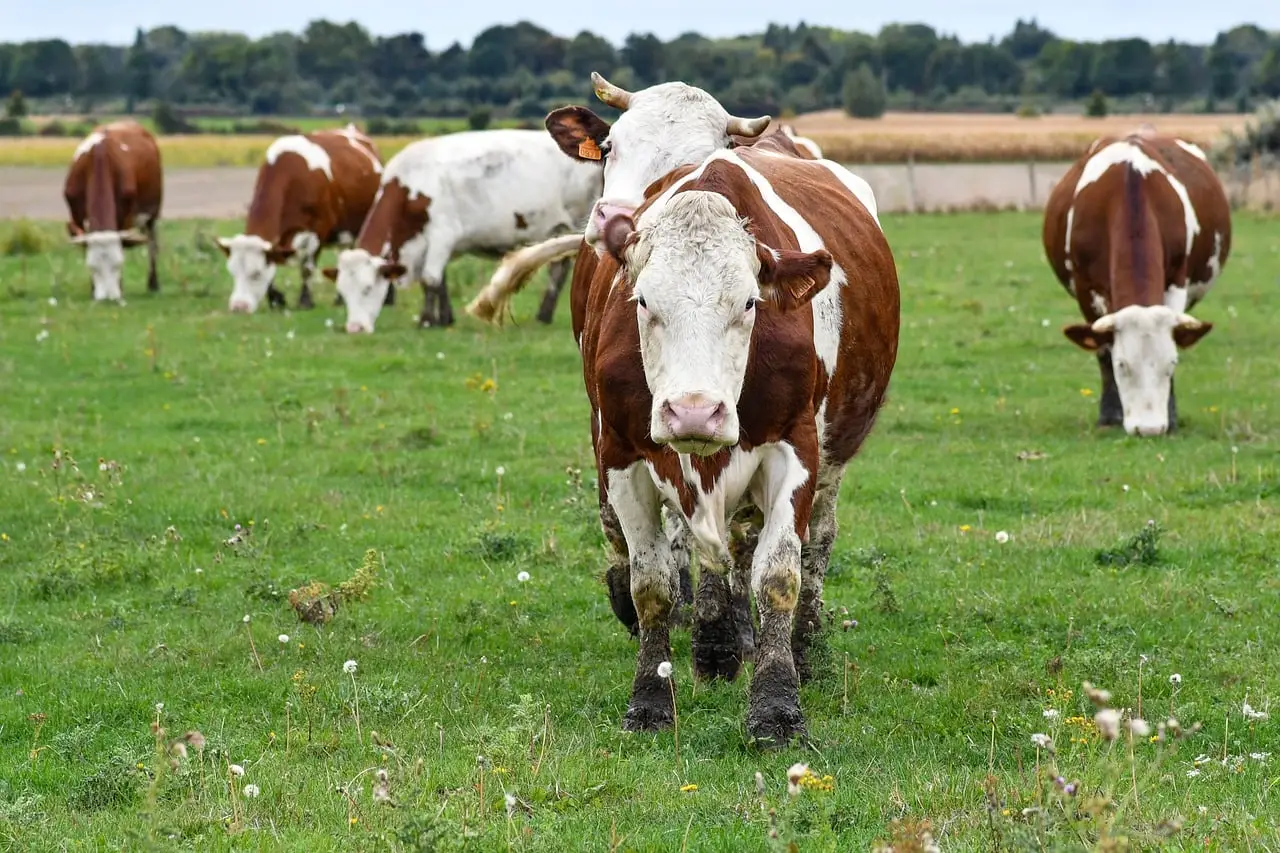
Food produced in Norway covers 42% of what Norwegians eat by weight yet causes 65% of the climate footprint of their diets. That finding sits at the center of a new study from NTNU's Industrial Ecology Programme, published in the Journal of Cleaner Production, and it reverses one of the most common assumptions in food climate debates: that buying local is the greener choice.
"What matters is what we eat, not whether the food was grown here in Norway or imported," says researcher Kristin Langsrud, one of the authors who quantified the greenhouse gases generated by Norwegian food consumption.
Why does domestic food emit more?
The imbalance has two causes, and both trace back to the farm. First, a large share of Norwegian production consists of climate-intensive products — meat and dairy. Second, Norway's growing conditions are less favorable than those elsewhere for lower-emission foods such as vegetables and grains.
"What we see is that the highest emissions are linked to what we produce here in Norway. That is because a large share of our domestic production consists of climate-intensive food products, such as meat and dairy," says Langsrud. "In addition, we have somewhat less favorable conditions for producing many of the food items, like vegetables, that result in lower emissions."
Grazing animals compound the problem. Cattle and sheep emit methane, a potent greenhouse gas, and they need large amounts of feed to reach slaughter weight or produce milk. Measured as total emissions per kilogram of food produced, beef ranks worst of all.
In short: the biggest emissions happen on the farm, before anything ships.
How much does transportation actually matter?
Very little, according to the data. Transportation accounts for only 3.8% of total greenhouse gas emissions from all food consumed in Norway.
"It's a common assumption that transportation generates significant emissions. However, when we examine every stage of the production chain, we find that the vast majority of emissions are linked to what happens on the farm — before the goods are shipped out," says Langsrud.
Better growing conditions abroad often offset the emissions from shipping, making imports on average slightly more climate-friendly than domestic Norwegian production — although Langsrud stresses the difference is small.
What would change if Norway ate differently?
The researchers ran two theoretical scenarios. Near-total Norwegian self-sufficiency in food would increase the climate footprint by 4%. Importing everything would cut it by 1.5%.
"This is, of course, a theoretical calculation intended to show what is most effective when it comes to cutting emissions. In practice, these scenarios are not realistic; however, they demonstrate that the greatest potential for emission reductions lies in what we eat, rather than where the food comes from," says Langsrud.
The dietary lever is large. If plant-based protein replaced all red meat in a person's diet, total food-related climate emissions would fall by more than a third — 34%. Beef alone accounts for 23.8% of all emissions from Norwegian food consumption.
"Reducing the consumption of beef would therefore be one of the most effective climate actions we could take regarding what ends up on our plate," says Langsrud.
How big is food compared with driving?
Norwegian food consumption generates roughly 11.6 million tonnes (12.8 million tons) of CO₂ equivalents per year — a common metric that converts all greenhouse gases into the warming effect of an equivalent mass of carbon dioxide. All road traffic in Norway, by comparison, emits 6.9 million tonnes (7.6 million tons).
Food accounts for 15% of Norway's consumption-based emissions. "I believe that if we are to stay within the two-degree target, then any reduction is a positive step," says Langsrud.
What are the study's limits?
Langsrud flags the boundaries herself. Greenhouse gas calculations are a useful indicator, but they do not capture every environmental consequence of food production. Agriculture also affects biodiversity, water use and land use — factors this study does not weigh.
She also notes that climate performance is not the only argument for domestic production. Emergency preparedness and food security give Norway reasons to maintain its own agriculture regardless of emissions math.
"So, I believe it will be important moving forward to determine how we can make Norwegian food production more climate-friendly," says Langsrud.
The study, led by Live Ragnhildstveit Stiansen with co-authors including Langsrud, appears in the Journal of Cleaner Production (2026), DOI: 10.1016/j.jclepro.2026.149579.
For practitioners, the practical takeaway is plain: menus change the carbon budget more than supply chains do.
via phys.org/rss-feed/ (Source)
More from Marcus Bennett
Show full bio
News editor covering regulation, policy and their impact on general science news at SciBeat.
604 articles
Nearby plates
- Vegan Meals Cut Emissions 46% in Equal-Calorie Study
- Norway to Move Salmon Farms From Fjords to the Open Sea
- Diverting Food Scraps From Landfills Could Cut US Methane by 6%
- 35 Years of Data Reveal How Warming Is Rewiring the Marine Food Web
- U.S. Irrigation Avoids 6.86 Gigatons of Emissions via Spared Land