Plate Nº 46 · recorded October 30, 2026
Neuroscience & MindReported finding
£50m centre targets the mysteries of early brain development
A £50 million publicly funded centre will image developing brains before and after birth, grow brain tissue in laboratories and use AI to seek markers of healthy development.
By James Calloway5 min read906 words
In brief
- £50 million in public investment backs the new Human Neural Development centre.
- King’s College London leads the centre with UCL and the University of Manchester.
- The programme will use three methods: imaging, laboratory-grown brain tissue and artificial intelligence.
- The centre will study brain development from the womb to early childhood.
- Its goal is to find measurable markers of healthy development for use in babies and children.
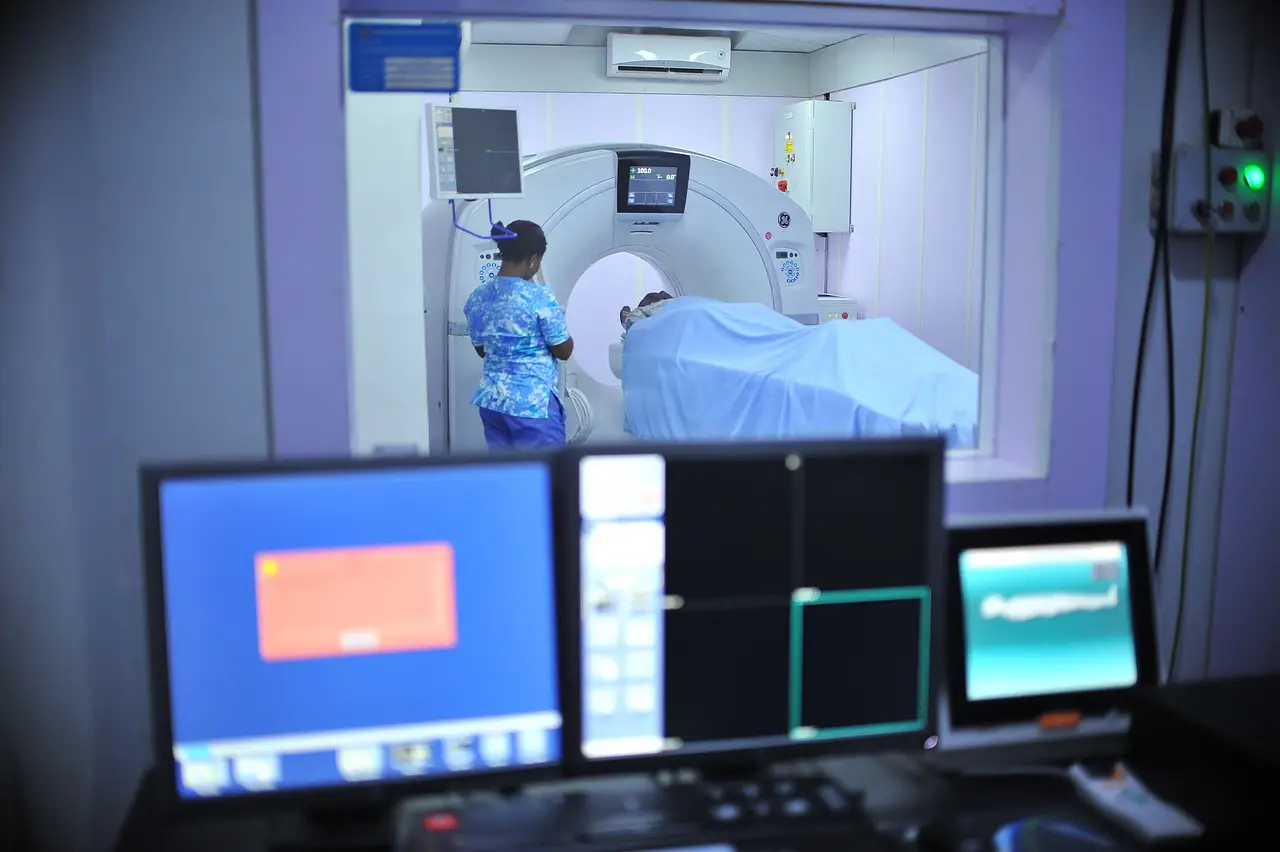
A £50 million publicly funded research centre will seek to fill major gaps in how the human brain grows, tracking development from the womb to early childhood for possible use in earlier, more effective treatment.
The Medical Research Council (MRC) Centre of Research Excellence for Human Neural Development is led by King’s College London, in partnership with University College London and the University of Manchester.
The funding commitment is concrete; the clinical payoff is not yet demonstrated. The announcement presents a research programme, not a finished diagnostic test or treatment, and it does not set a timetable for either.
Why researchers want a closer look
Until recently, scientists had very few meaningful ways to study human brain development. The centre will apply the latest technologies to that problem and focus on the cerebral cortex, the brain region that supports language, planning and creativity.
It will use three main methods:
- imaging the developing brain before and after birth;
- growing models of brain tissue in the laboratory; and
- harnessing artificial intelligence to help interpret the results.
The announcement describes this mix as a route to unprecedented insight. That remains a forecast rather than a result, and the centre has not yet reported how many studies it will run, which techniques will dominate or how the three partners will divide the work.
The announcement says the partnership will integrate world-leading expertise with cutting-edge research. It gives no staffing or governance details, so the organizational claim cannot be tested from the announcement alone.
What the MRC hopes to gain
Dr Ceri Williams, the MRC’s Executive Director of Challenge Led Themes, said:
We are delighted to announce this new MRC CoRE for Human Neural Development, backed by £50 million of public investment.
By untangling the mysteries of human brain development in the very early stages, this centre offers a powerful opportunity to transform lives, giving us the tools to make earlier and fairer interventions for a future where every child has the best possible chance to realise their full potential.
That promise carries a deliberate equity claim. Genetic mutations and environmental factors can disrupt infant brain development, with consequences that follow a child throughout life. The announcement says those consequences fall disproportionately on minority groups and families from economically disadvantaged backgrounds.
The proposed benefit is not a one-time therapy. It is a route toward identifying risk earlier, directing help to children who need it and evaluating treatments more effectively in clinics. Even that path depends on finding signals that survive scrutiny beyond the research setting.
Why the brain remains a black box
Oscar Marín, the centre lead at King’s College London, put the central problem plainly:
The human brain is a bit of a black box.
We can measure patterns of brain activity from the outside, and we can even potentially connect them to what happens later in life, but we don’t yet know how these signals actually relate to what’s happening inside the child’s brain.
This means we cannot tell which signals reflect something important about how the circuits inside the brain are developing. Until we can make that distinction, we cannot reliably predict which children are at risk or intervene early enough to make a difference.
We have now reached a point where the technologies exist to close that gap, and we can turn that understanding into real differences for children and families.
In plain terms, researchers can record what a child’s brain appears to do without seeing exactly how its internal circuits are forming. The missing step is deciding which measured patterns matter. A signal might indicate a developing problem, normal variation or nothing clinically useful, and the centre has not established how it will make that distinction.
From brain signals to usable markers
The centre’s proposed pathway runs from observation to action: identify patterns in development, turn them into markers of healthy growth, and use those measurable signs in babies and children to help develop and evaluate treatments in the clinic. A marker is an indicator, not yet a diagnosis.
The three methods have distinct proposed roles: imaging tracks changes in the developing cortex, tissue models expose internal development, and artificial intelligence searches for patterns. None of those roles proves that a marker will predict a child’s outcome.
That limitation matters because an early signal is not a clinical tool until researchers show it predicts risk and can guide treatment. The announcement does not describe the validation plan or name the first condition for which the centre will build a marker.
What does this change for children and families?
For families, the immediate change is research capacity, not a new service. No clinic, screening schedule, diagnostic test or treatment has been announced, and the £50 million does not mean £50 million in direct care for individual children.
If the centre succeeds, its practical contribution could be a clearer link between early brain signals and later outcomes, allowing clinicians to spot risk earlier and judge whether an intervention works. Families may benefit only after laboratory findings survive clinical testing and can guide healthcare decisions.
The announcement omits a start date, study count, participant numbers, trial designs and a deadline for delivering a usable marker. Those omissions do not cancel the scientific rationale, but they do prevent readers from judging speed, cost or likely benefit. The plan is funded; the benefit to children is not yet proven.
via UKRI News (Source)
More from James Calloway
Show full bio
Staff writer covering regulation, policy and their impact on general science news at SciBeat.
267 articles
Nearby plates
- Cambridge Scientists Map Five Distinct Ages of the Human Brain
- Somali Community Workshops Show How to Open Brain Research
- U.S. National Primate Research Centers Face an Uncertain Future
- UK Launches £80m Challenge to Speed Up Dementia Diagnosis
- Monkey Models of Autism Face an Uncertain Future in U.S. Labs