Recorded November 18, 2026
Chemistry & MaterialsReported finding
Ancient Bones Show Roman Colchester Was Surprisingly Diverse
Cremated remains from 22 burials in Roman Colchester show several people grew up in the Mediterranean, thousands of miles from Britain's first Roman capital.
By Elena Vasquez3 min read645 words
In brief
- Researchers analyzed 22 cremated burials in Roman Colchester, ancient Camulodunum, dating to roughly 2,000 years ago.
- Three individuals showed chemical signatures of childhoods spent in Mediterranean regions such as Italy, Spain or Lebanon.
- The study is the first to combine strontium and lead isotope analysis on Romano-British cremated remains.
- Remains inside the decorated Colchester Vase belonged to a man of Mediterranean origin, possibly a gladiator trainer or patron.
- Findings published in Royal Society Open Science (2026), DOI: 10.1098/rsos.260591.
By Elena Vasquez
Three people buried in Roman Colchester roughly 2,000 years ago spent their childhoods in the Mediterranean — possibly Italy, Spain or Lebanon — according to new research from Durham University. That's a long way from southeast England. In Roman terms, it's thousands of miles.
The findings, published in Royal Society Open Science, come from 22 cremated burials in the city the Romans called Camulodunum, Britain's first Roman capital. Several of the individuals grew up outside Britain altogether. The takeaway: the town wasn't just a military outpost. It was a hub where people from across the empire lived, worked and settled.
Why cremation made this hard
Cremation was the standard burial practice in Britain during the first century of Roman rule. There's the problem. A funeral pyre runs hot enough to destroy most of the physical evidence archaeologists normally use to work out where a person came from.
So the usual toolkit falls short. Traditional examination of cremated bone has been limited, and many individuals' origins have simply stayed unknowable.
What's new about the method?
Dr. Joanna Moore and Professor Janet Montgomery, both from Durham's Department of Archaeology, teamed up with Dr. Geoff Nowell of the university's Earth Sciences Department, plus researchers at the University of Reading and York Museums Trust. Together they built something the field hadn't tried before.
For the first time, the team combined analysis of two chemical markers — strontium and lead isotopes — in Romano-British cremated remains. Isotopes are variants of chemical elements whose ratios in bone vary depending on the geology, food and water a person grew up with. Read those ratios, and you can read a childhood's location.
The combination let the researchers pick up clues that traditional approaches could have missed. In plain words: burning the bones no longer erases the biography.
Who was in the Colchester Vase?
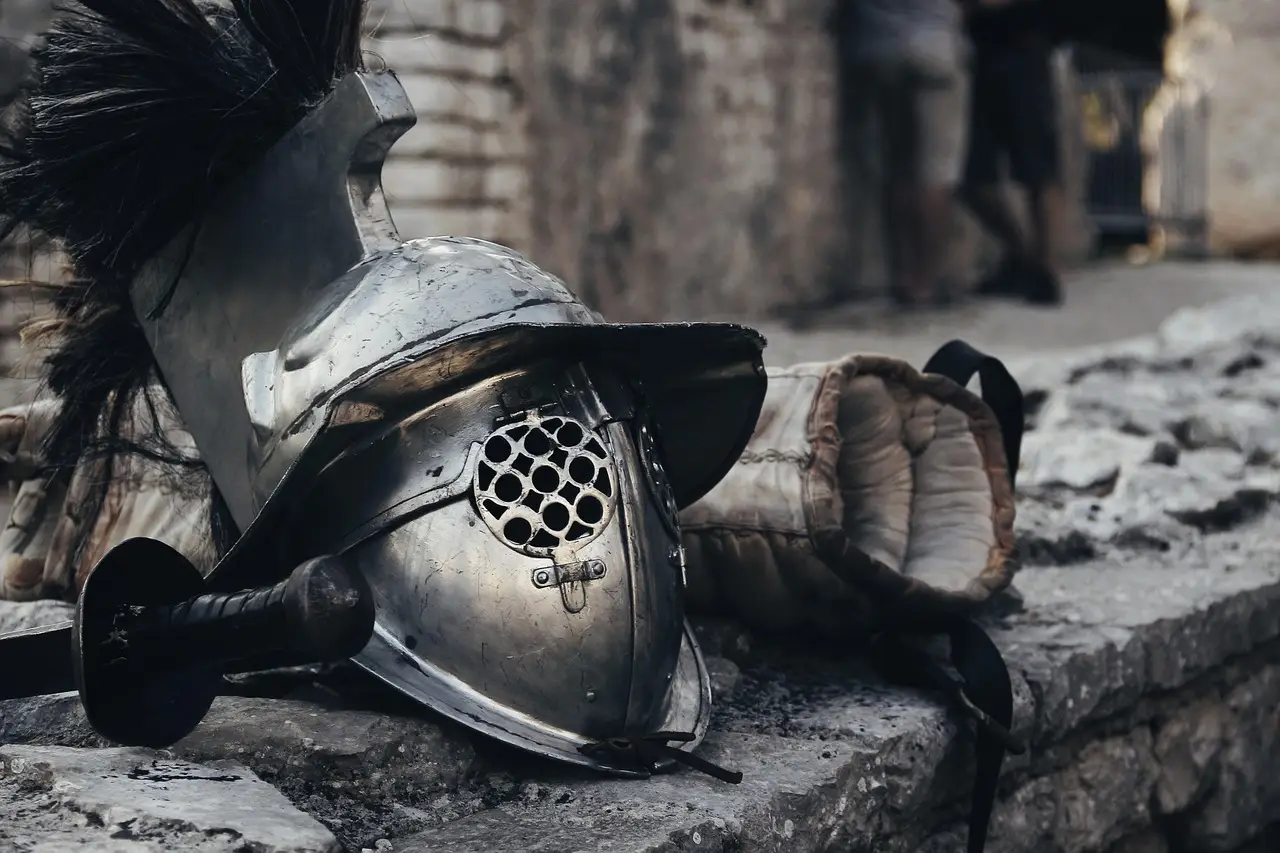
One discovery stands out. Among the burials was a set of remains placed inside the famous Colchester Vase, a decorated vessel showing scenes of gladiatorial combat and animal hunting. The isotope analysis indicated the man buried inside had Mediterranean origins.
Why does the vase matter? Because burying someone in such an elaborately decorated container suggests status. The researchers suggest the individual may have trained gladiators, or perhaps was a wealthy patron who bankrolled the fights.
Either way, it's rare. The vase gives scientists a direct link between hard chemical evidence of migration and the cultural world of Roman entertainment — the arena, the hunters, the crowds.
What does this change about Roman Britain?
Rome invaded Britain in A.D. 43, and Colchester became the first capital of the new province of Britannia. The city attracted traders and administrators and kept strong connections with continental Europe.
What the historical record lacked was detail about the people themselves. Texts tell us the empire moved people around; bones now confirm it at the individual level, in a provincial capital, in the first century of Roman rule.
The method matters beyond Colchester. The team notes the combined isotope technique could help researchers uncover the stories of many more people whose remains were cremated — populations that conventional analysis has left largely silent.
Caveats worth keeping
The sample is small: 22 burials from one city. The Mediterranean signatures point to regions such as Italy, Spain or Lebanon, but isotopes identify broad geographic zones, not hometowns. And the interpretations of the vase burial — gladiator trainer or patron — remain possibilities, not conclusions.
Still, the direction is clear. Britain's first Roman capital drew people from the far end of the Mediterranean world. Two thousand years later, their burned bones are finally talking.
Publication details: Joanna Moore et al., "Decoding the dead: new combined application of strontium and lead isotope analysis to Romano-British cremations from Colchester (UK)," Royal Society Open Science (2026). DOI: 10.1098/rsos.260591.
via phys.org/rss-feed/ (Source)
More from Elena Vasquez
Show full bio
Correspondent covering money, funding and market shifts around general science news at SciBeat.
592 articles
Nearby plates
- Sutton Hoo dig finds ‘sand body’ grave and possible second burial
- Medieval Bones Dated Hundreds of Years Too Old by Fish Diet
- Skull Fractures Back Theory of Sacrifice at Egypt's First Royal Tombs
- Zero Indigenous Ancestry Found in 45 Montreal Colonial-Era Skeletons
- Freshwater Fish Diet Makes Medieval Skeletons Look Centuries Older