Plate Nº 72 · recorded November 10, 2026
Earth & ClimateReported finding
Ancient Peru's mass sacrifices were rare, study finds
A 2026 study of more than 1,600 remains found just 25 with signs of violence in Peru’s Lambayeque Valley, challenging the idea that climate crises make killing routine.
By Nathan Brooks3 min read660 words
In brief
- A 2026 study found signs of violence in 25 of more than 1,600 remains, or 1.6%.
- Another 77 remains showed signs of accidental trauma.
- The Lambayeque Valley Biohistory Project archive spans about 3,000 years and 30 sites.
- The Moche date to roughly 100–750 CE; the Sicán to about 750–1375 CE.
- The valley has hosted residents for 6,000 years, according to the study.
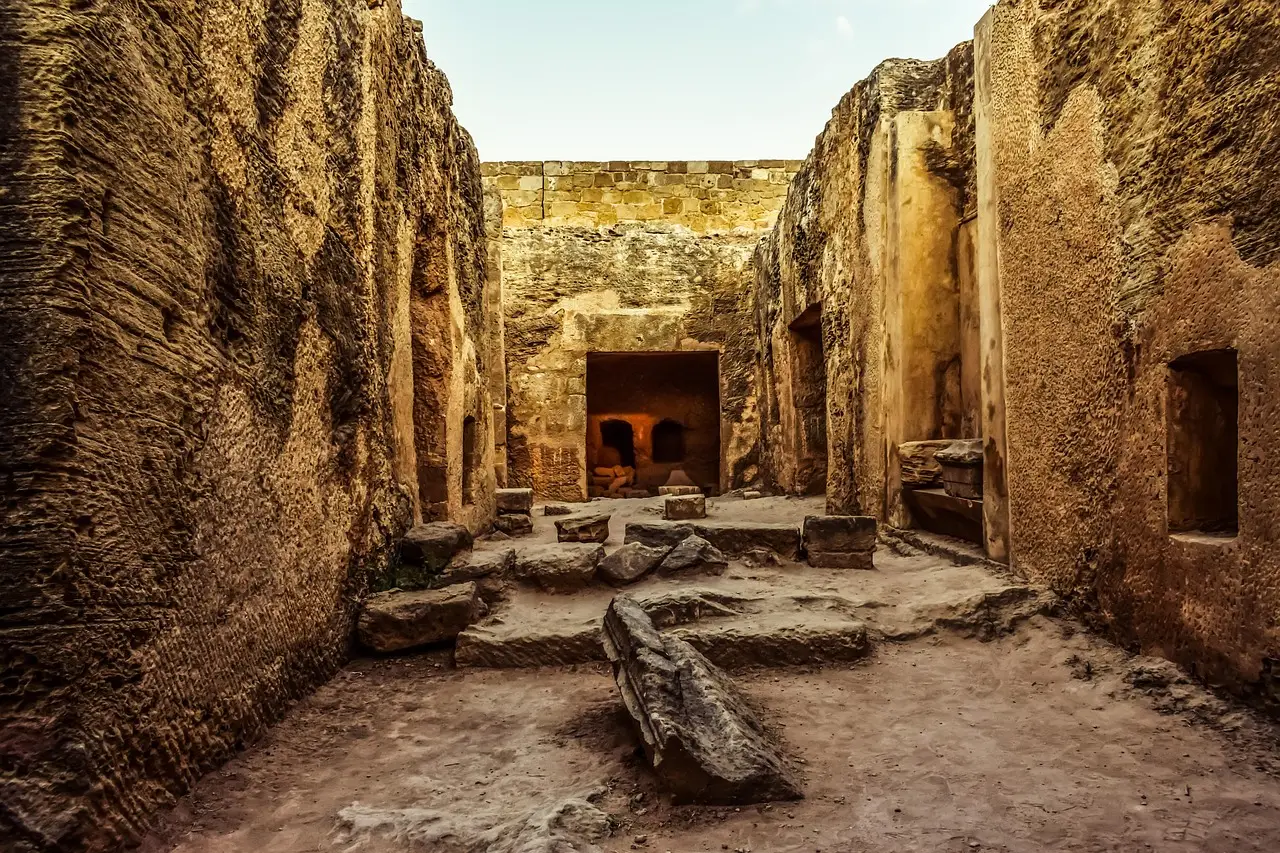
Only 25 of more than 1,600 human remains from northern Peru’s Lambayeque Valley showed signs of violence, a 2026 study in Frontiers in Environmental Archaeology reports. Those cases accounted for 1.6% of the sample. Another 77 remains showed signs of accidental trauma, and the researchers did not directly link those injuries to known periods of ecological crisis.
Thomas Snyder, a New York University archaeologist and study co-author, said: “The main thing that jumped out at us was just how few cases of interpersonal violence we observed outside ritualized contexts.”
Here, “ritualized contexts” refers to violence carried out within an organized ritual rather than routine interpersonal conflict. The finding weighs against treating mass sacrifice as a normal feature of everyday life.
How did the team test the climate-violence link?
Snyder, Haagen Klaus and their collaborators used the Lambayeque Valley Biohistory Project’s skeletal archive. It spans about 3,000 years across 30 archaeological sites. They established relatively precise estimates of when more than 1,600 individuals died and examined the remains for intentional cranial trauma, meaning deliberate skull injuries associated with human sacrifice.
The analysis produced four central figures:
- More than 1,600 individuals: Relatively precise estimates of when they died.
- 25 remains, or 1.6%: Remains showing signs of violence.
- 77 remains: Remains showing indicators of accidental trauma.
- 30 sites and about 3,000 years: The geographic and chronological scope of the archive.
The researchers did not directly link these injuries to known periods of ecological crisis. That result contradicted their starting hypothesis about how deeply ritual violence might have shaped everyday life.
Why had researchers connected sacrifice with El Niño?
Earlier excavations indicated that mass human sacrifices possibly preceded the collapse of the Moche and Sicán political systems. Researchers then proposed that these killings coincided with mass flooding driven by El Niño, a cyclical warming of the tropical Pacific.
Those floods destroyed food stocks and disrupted agricultural production. Ancient communities lacked modern scientific understanding of the root causes of climate-driven disasters. In northern Peru, some societies sometimes turned to mass human sacrifice in an attempt to stop destructive flooding from events such as El Niño.
One hypothesis was that ruling classes used large sacrificial rituals to restore balance with nature. The team asked whether violence was simply a more common feature of everyday life for the Moche and Sicán. Snyder said big ritual sacrifices might signal an underlying crisis extending into people’s everyday experience of the world.
Who lived in the Lambayeque Valley?
The valley lies within northern Peru’s coastal desert, where rainfall is generally low. Rivers and proximity to the sea nevertheless allowed communities to flourish for generations. The Moche lived there from roughly 100–750 CE, and the Sicán from about 750–1375 CE.
The valley has hosted residents for 6,000 years. Klaus, a George Mason University archaeologist and co-author, said these societies resembled modern communities in daily life, economic organization and interactions with their environment. They also sometimes contributed to the environmental crises they faced.
What can the dates and records establish?
Because researchers could not use radiocarbon dating on all the remains, their death estimates cover broad stretches of time. That limitation prevents the study from assigning every violent or accidental injury to a particular crisis.
Klaus said: “In Lambayeque, there’s 6,000 years of creative adaptations to El Niño and longer-term changes in climate, and widespread violence wasn’t one of them.” The authors interpret that record as showing adaptation, rather than widespread violence, as the recurring response to intense climate challenges.
Snyder said the results show that widespread violence isn’t a predetermined response to climate change. He added that societies both can and must choose how they respond to their own climate crisis.
Klaus made the same point: violence and social unraveling are never destined outcomes. The study therefore challenges any assumption that harsh weather automatically makes mass killing routine.
via popsci.com (Source)
More from Nathan Brooks
Show full bio
Market editor covering companies, deals and strategy in general science news at SciBeat.
325 articles