Plate Nº 51 · recorded November 11, 2026
Biology & EvolutionReported finding
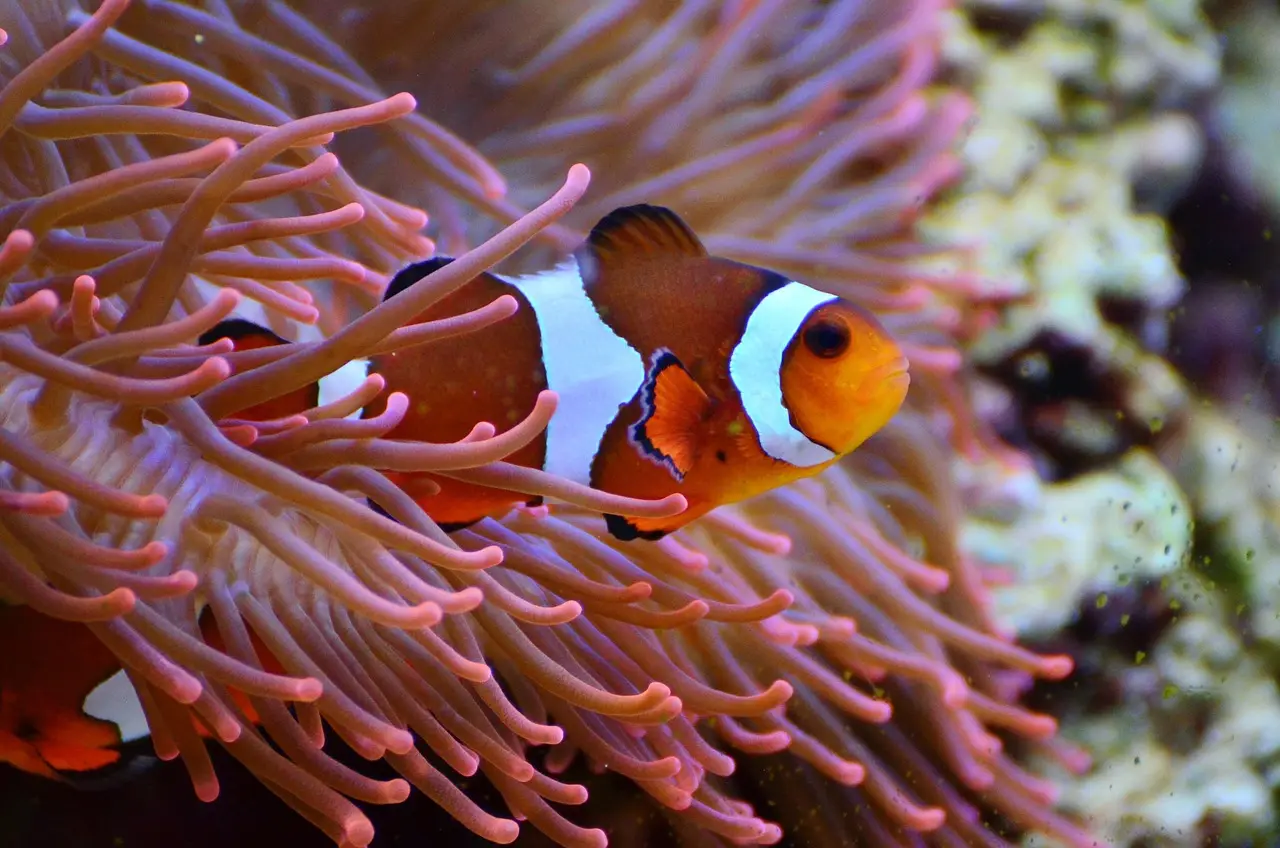
Bleached anemones linked to 215% increase in clownfish aggression
A 2023 Kimbe Bay study found that bleached anemones changed clownfish behavior: defense rose, maintenance stayed steady and group aggression increased 215%.
By James Calloway4 min read778 words
In brief
- Bleaching was linked to a 215% increase in aggression between clownfish group members.
- Field recordings covered March through July 2023 in Kimbe Bay, Papua New Guinea.
- Researchers analyzed five behavioral categories, from maintenance and defense to aggressive, neutral and submissive actions.
- Defense increased, while maintenance behaviors such as aeration and cleaning did not change.
- The study was published in Royal Society Open Science in 2026; DOI: 10.1098/rsos.261623.
By James Calloway
Bleached anemones were linked to a 215% increase in aggression among clownfish in the same social group, according to a Newcastle University-led study published in 2026.
The results, published in Royal Society Open Science, also show more defensive behavior toward anemone hosts while care behaviors such as aeration and cleaning stayed steady. Elevated temperatures alone had only a small effect on clownfish behavior.
Study lead author Fletcher Noble, a PhD researcher at Newcastle University's School of Natural and Environmental Sciences, said: “This research is one of the first to examine in detail how different types of clownfish behavior change under bleaching conditions in the fish's natural environment.”
He added: “We revealed that clownfish are prioritizing defending and maintaining their homes and securing their dominant position in the group during periods of environmental stress.”
A group of Newcastle University students, led by Noble, analyzed video recordings made during a marine heatwave in Kimbe Bay, Papua New Guinea. The recordings ran from March through July 2023.
The observations coincided with the Fourth Global Coral Bleaching Event, which spanned 2023 to mid-2025. The university release calls it the most extensive and intensive mass coral bleaching event in recorded history.
The team measured five behavioral categories:
- Maintenance and defense, which support the anemone partner.
- Aggressive, neutral and submissive actions, which regulate the fish's social group.
Bleaching did not change the large amount of maintenance work clownfish directed toward their hosts, including aeration and cleaning. Defensive behavior increased. The study therefore separates two questions: whether heat itself altered fish activity, and whether stress in the anemone changed the fish's choices.
That distinction matters because clownfish and anemones form a mutualism, a relationship in which both partners benefit. The fish defend the anemone, while the anemone provides a home and nutrients; each relies on the other.
The gains came with a possible social cost. Beyond the 215% increase in aggression, the researchers said stress may weaken group cohesion. A fish that spends more time defending its host and asserting dominance may also spend more time challenging group members.
The proposed mechanism is a shift in behavioral priorities. Bleaching had more influence than thermal stress. As water temperature fell through the heatwave, overall clownfish activity remained stable, with no reported change linked to heat stress.
What does this change for anemone recovery?
It points to fish care and defense as possible recovery aids. More guarding could deter predators from a weakened, bleached anemone, and continued aeration may help maintain water flow around it. But the release does not report a direct test showing that those behaviors speed recovery. The benefit remains plausible, not demonstrated.
The field design offers a second limit. The study links behavior with bleaching in nature, but it cannot by itself separate every other condition associated with a marine heatwave. The summary gives no group size, baseline count of aggressive acts or detailed statistical estimates, so the 215% figure cannot be judged for absolute scale or precision.
The observations came from one bay and one heatwave. The summary does not identify the clownfish or anemone species, or report whether the pattern held elsewhere or under less severe bleaching. Noble said future work can examine the behaviors in greater detail and test whether they help anemones recover.
Anemone bleaching occurs when the animal loses the symbiotic algae living in its tissues. The animal may turn pale, white or translucent. Higher water temperatures and sun radiation can cause this stress response. Some hosting anemones bleached and lost those algae during the study, while others did not, letting the team estimate heat's direct effect separately from effects mediated by a stressed partner.
Dr Theresa Rueger, senior lecturer in tropical marine sciences at Newcastle University's School of Natural and Environmental Sciences, said: “As human activities continue to change ecosystems around the world, it is crucial to understand how species adapt their behavior to cope with environmental stress and habitat loss, since changing behaviors is animals' first line of defense.”
She also said: “The results show how important it is to consider interactions between different animal species and particularly mutualisms, where both species benefit, when researching the effects of environmental change.”
The research was featured in Blue Planet III, the anticipated return of BBC Studios Natural History Unit's landmark ocean series, narrated by Sir David Attenborough. That television exposure is not a second replication, however; the scientific claim still rests on the field study.
The 2026 paper is titled Anemonefish prioritise mutualistic partner over social group during a marine heatwave. Its journal is Royal Society Open Science, and its DOI is 10.1098/rsos.261623.
via phys.org/rss-feed/ (Source)
More from James Calloway
Show full bio
Staff writer covering regulation, policy and their impact on general science news at SciBeat.
346 articles
Nearby plates
- Underwater Umbrellas Helped Florida Corals Survive Record Heat Stress
- Diseased Florida Keys Coral Faced Nearly 4x Death Risk in 2023 Heat Wave
- Deep Reefs Lost Their Shield: 75% of Tropical Corals Hit by Heat
- Reef's Deadliest Coral Killer May Actually Keep It Alive
- Reef sound playback drew up to 14 times more fish larvae