Recorded November 23, 2026
Health & Medicine ResearchReported finding
Bristol team ties carotid body to resistant high blood pressure
Early surgery on a grain-of-rice-sized neck organ lowered blood pressure in some patients resistant to medication, and lab work has identified a drug target in the same signaling system.
By Elena Vasquez3 min read605 words
In brief
- People have two carotid bodies, each about the size of a grain of rice, near the arteries carrying blood to the brain.
- In an early clinical study, doctors removed one carotid body from patients with hard-to-treat blood pressure; some saw meaningful reductions.
- The University of Bristol research was reported in JACC: Basic to Translational Science.
- Carotid body removal is not an established treatment: the procedure carries risks and the early study was small.
- Lab work identified a signaling pathway that could serve as a target for medicines quieting the organ without removing it.
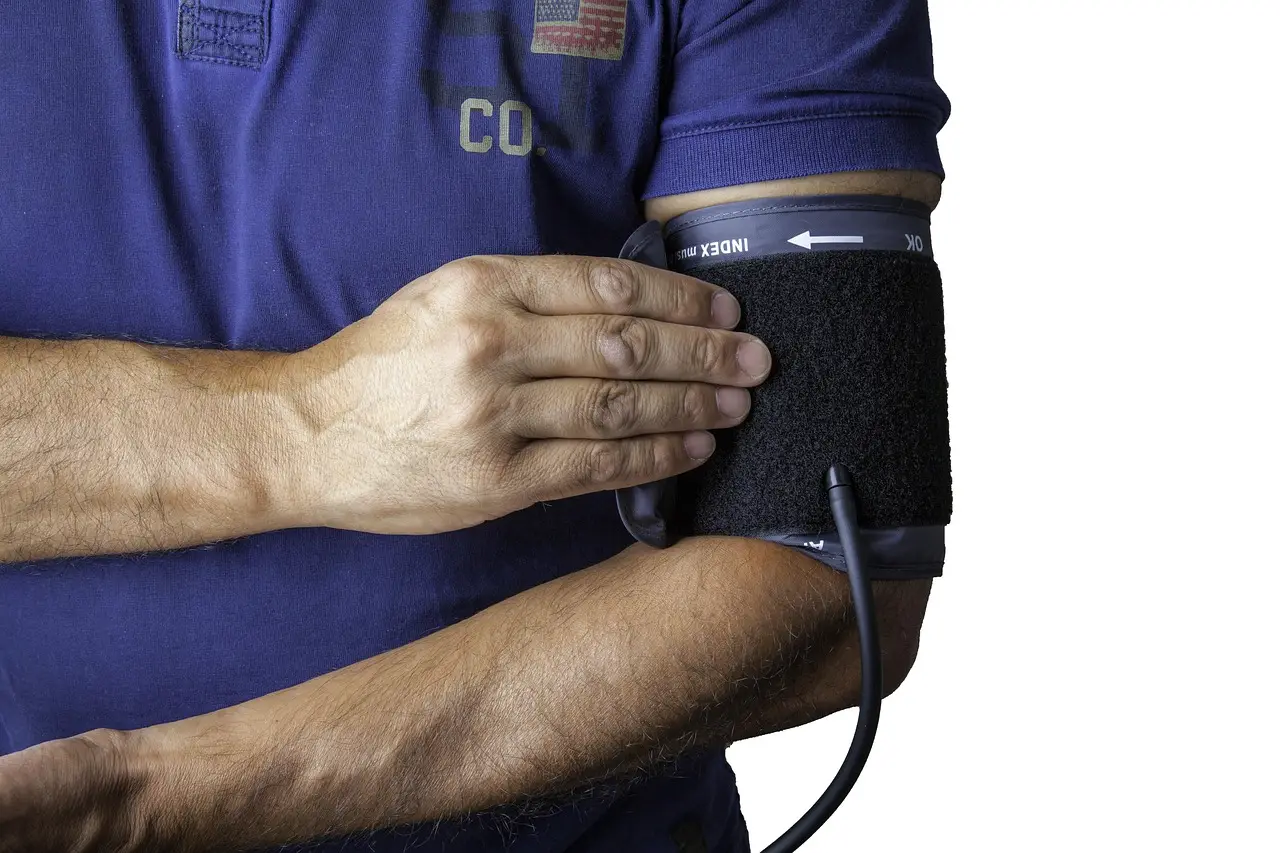
Some patients whose blood pressure stayed high despite several medications saw meaningful drops after doctors removed one of their two carotid bodies — organs about the size of a grain of rice — according to early clinical research involving the University of Bristol and reported in the journal JACC: Basic to Translational Science.
Removing one is not an established treatment. What draws interest is the anatomy behind it, because the carotid body may explain why blood pressure sometimes refuses to budge.
High blood pressure often brings no symptoms. It can still damage the heart, brain and kidneys quietly over time. And some patients keep high readings even while taking several drugs, a problem doctors call resistant high blood pressure.
What is the carotid body?
People have two, each roughly the size of a grain of rice, sitting near the large arteries that carry blood to the brain. They work as oxygen sensors. When blood oxygen falls, they send messages to the brain that help the body breathe more and keep blood flowing to vital organs.
Their job is straightforward: sense low oxygen, trigger a response. The signal goes to the brain, and the body acts on it.
The carotid body, in plain terms, is a grain of rice wired to the brain.
Why might an oxygen sensor push blood pressure up?
Researchers believe the sensors may become too active in some people. Overworked, they could keep sending signals that raise blood pressure even when the body does not need that response.
That mechanism would account for stubborn readings in at least part of the group doctors treat as resistant. It also offers somewhere to intervene: soften the signal, leave the organ where it sits.
The suspected culprit is an overactive oxygen sensor in the neck.
What did the removal study show?
In an early clinical study, doctors removed one carotid body from selected patients whose blood pressure was hard to treat. Some experienced meaningful reductions afterward, suggesting the organ contributes to the problem in that particular group.
The researchers also explored breathing responses and other signs that might help identify who benefits most from the approach.
Early surgery data point to the carotid body in a subset of hard-to-treat patients.
Is carotid body removal a treatment now?
No. Removing a carotid body is not an established routine treatment for high blood pressure. The procedure carries risks, the early study was small, and the results do not show that surgery would help most patients.
Those limits matter. A signal that helps some people in a small study does not become a general operation.
Promising signal. Unproven procedure.
Could a drug quiet the carotid body instead?
That is where scientists are headed. They want medicines that calm the organ's excessive signals without removing it. Laboratory research has already identified a signaling pathway — the chain of chemical messages a drug might interrupt — that could offer a target for future medicines.
Any candidate would need careful testing. The carotid body exists to detect dangerously low oxygen, so a drug that blunted its output too broadly could leave the body slow to respond when oxygen drops. Larger human studies would also be needed to find out who might benefit and whether any improvement lasts.
Drugs, not surgery, look like the likely route.
What should people with high blood pressure do now?
Continue the proven steps: take prescribed medicines, check blood pressure, stay active, and limit excess salt. The carotid body work offers a possible future option for patients whose blood pressure stays high despite standard care.
Standard care still leads. This research is a future option, not current advice.
via knowridge.com (Source)
More from Elena Vasquez
Show full bio
Correspondent covering money, funding and market shifts around general science news at SciBeat.
592 articles
Nearby plates
- Arm Cuff Blood Pressure Tests May Underestimate Top Reading
- Blood pressure medicines keep working, but reviews remain essential
- Top Blood Pressure Number Under 130 May Protect Aging Hearts
- Lower Blood Pressure Target Cut Stroke Risk 19%, But Struck Kidneys
- Blood Pressure Drugs Prevent 47 Major Events per 1,000 Frail Men in Their 80s