Recorded November 27, 2026
Earth & ClimateReported finding
Cloud-top charge linked to about 10% larger droplets
A Jan. 12, 2024 flight over southern England linked higher cloud-top charge with about 10% larger droplets, suggesting electrical measurements could improve cloud models.
By Marcus Bennett4 min read761 words
In brief
- Cloud-top charge was associated with about 10% larger droplets across the measured charge range.
- The FAAM aircraft entered and left the cloud top 16 consecutive times in one sequence.
- Two observing platforms—aircraft and radiosondes—captured charge, droplets and reflectivity together.
- The research flight over southern England took place on Jan. 12, 2024.
- The study appeared Nov. 27 in Geophysical Research Letters; its formal citation lists 2026.
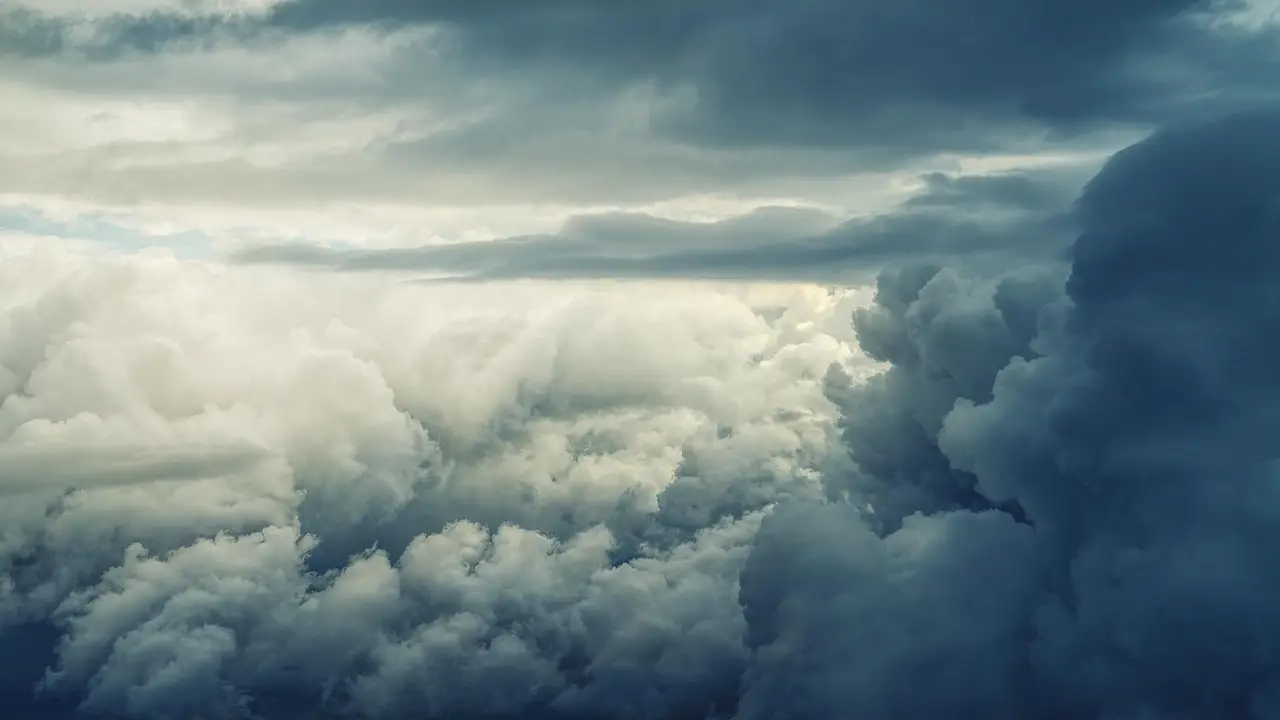
About 10% larger cloud droplets accompanied higher cloud-top charge during a Jan. 12, 2024 research flight over southern England, according to University of Reading researchers.
The finding came from a rare, coordinated survey of an extensive layer cloud. Layer clouds, known to meteorologists as stratus or stratocumulus, tended to contain larger droplets when their tops carried more electric charge. Across the charge range measured, droplet size increased by around 10%. Charge also added information about droplet size beyond conventional droplet and reflectivity measurements.
What did the research flight measure?
The team used the FAAM Airborne Laboratory, a modified jet fitted with a system for measuring atmospheric electricity. On Jan. 12, 2024, the aircraft flew over southern England and repeatedly entered and left the top of the same cloud layer. In one sequence, it made 16 consecutive entries and exits through the cloud top.
Each pass recorded cloud droplets, reflectivity and charge at the same time. Reflectivity describes how much light a cloud returns to space. Because the three values were recorded together, the team could test the charge-droplet relationship directly.
Mission scientist and co-author Dr. Claire Ryder planned the flight and sampling strategy, sat in the cockpit with the pilots to make in-flight decisions, and coordinated the teams operating aircraft and ground instruments.
Atmospheric scientists had long suspected that electricity might influence layer clouds, but detailed observations were scarce. Previous studies usually relied on a single weather balloon passing through a cloud. Repeated aircraft passes showed how much charge can vary across the layer and allowed direct comparisons with droplets measured in the same place.
Takeaway: The study links cloud-top charge with droplet size, but it does not prove that charge causes droplets to grow.
How did the aircraft and balloons work together?\n
As the FAAM jet passed over the University of Reading's Whiteknights campus, the team launched specially equipped weather balloons into the same cloud. The balloons carried radiosondes, instrument packages that transmit atmospheric readings to the ground. The combined readings let researchers check the aircraft measurements against the balloon data, and vice versa.
Flights over Reading are unusual because the university sits beneath the busy airspace around Heathrow. The team therefore coordinated flight planners, scientists and aircrew as conditions became suitable for the flight. Ryder and the pilots made in-flight decisions from the cockpit, while other scientists operated instruments aboard the aircraft and on the ground.
Ryder said the repeated descents and ascents were “a bit like being on a roller coaster.” Light turbulence in the cloud led to a few complaints about unsettled stomachs.
She called the Whiteknights pass exciting, though thick cloud hid the ground. The aircraft also could not be seen from below, although people on the ground could hear it clearly.
Takeaway: Two observing platforms produced repeated, cross-checked measurements of the same cloud instead of a single balloon snapshot.
What could the result change in weather and climate models?
Droplet size affects how much sunlight a cloud reflects back to space. The study therefore adds charge as a possible piece of the puzzle behind differences in how clouds scatter light. Weather and climate models need to represent those cloud properties accurately, and the authors say better understanding could help refine that representation.
The authors do not claim a complete mechanism. Their observations show that electrical measurements can supplement conventional observations of droplet size and reflectivity. The result remains preliminary because the published dataset centers on one flight and one extensive cloud layer. Researchers would need more flights to test whether the same relationship holds under other cloud and charge conditions.
For forecast and climate modelers, the result identifies electrical charge as an additional variable to test, not a ready-made correction.
Professor Giles Harrison, who led the analysis, said: “Combining our specialized radiosondes with the long duration of the FAAM aircraft yielded an unusually detailed set of measurements, capturing the electric charge, droplets and reflectivity of the same cloud at once.”
He described the flight as uncomfortable and praised his colleagues' commitment to obtaining the unique observations.
Takeaway: Researchers need more flights before treating the connection between charge and cloud droplets as general.
When and where was the study published?
The findings appeared Nov. 27 in Geophysical Research Letters. The journal's citation lists the paper, “Linking cloud-top charge to droplet microphysical variability in layer clouds,” as 2026, with the DOI 10.1029/2026GL124507.
Takeaway: The published study gives researchers a rare dataset for testing the link between electricity and cloud droplets.
via phys.org/rss-feed/ (Source)
More from Marcus Bennett
Show full bio
News editor covering regulation, policy and their impact on general science news at SciBeat.
638 articles
Nearby plates
- Waiting for the Next Pinatubo: Drones Prep for a Natural Geoengineering Test
- Six Ways Rain Can Move Dust: Study Rewrites Self-Cleaning Surface Design
- NASA dust study finds signs of ancient ice beyond Neptune
- Raindrops can damage paint with microscopic electrical discharges
- JWST Catches Alien Water Clouds Changing in Real Time