Recorded November 20, 2026
Earth & ClimateReported finding
Extreme Weather Puts 40% of World's Oil Shipping at Risk, IEA Warns
An IEA report finds extreme weather threatens ports, chokepoints and island fuel supplies as oil and gas shipping grows over 15% by 2035 under current policies.
By Elena Vasquez3 min read641 words
In brief
- In 2024, about 40% of global crude oil and 15% of natural gas supply traveled by sea for part of its journey.
- Oil and gas shipping activity is projected to grow more than 15% by 2035 under the IEA's Stated Policies Scenario.
- Tanker ports average 1.5 days of weather downtime a year; major events can halt operations for months.
- More than 100 European tanker ports (24%) face river or coastal flooding.
- Six small island economies hold as little as three weeks of fuel supplies.
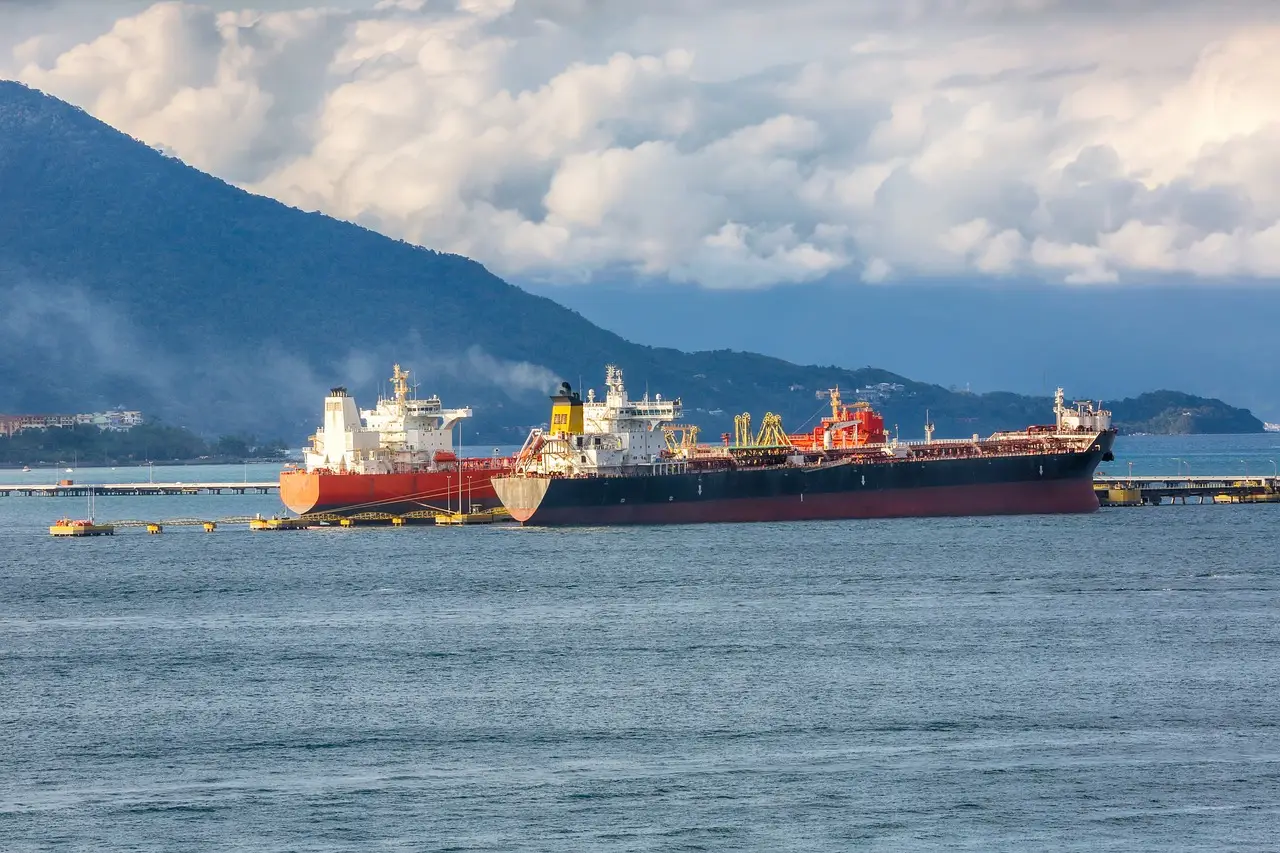
Around 40% of the world's crude oil supply traveled by sea in 2024, and a new International Energy Agency report warns that extreme weather is putting that floating supply chain under growing strain. Tropical cyclones, flooding, drought and extreme heat now threaten the ports, chokepoints and inland waterways that carry oil and natural gas to consumers, with direct consequences for energy security.
The numbers frame the stakes. In 2024, maritime transport carried roughly 40% of global crude oil supply, 30% of petroleum products and 15% of natural gas for at least part of the journey to market. That reliance is set to grow, not shrink. Under the IEA's Stated Policies Scenario, international oil and gas shipping activity will rise by more than 15% by 2035, with liquefied natural gas (LNG) shipments growing fastest of all.
The growth builds on an already dramatic expansion. Since 2000, global crude oil shipping volumes have climbed by about 15%, while LNG volumes have quadrupled. More cargo at sea means more exposure when the weather turns violent.
Where are the risks concentrated?
Ports that handle oil and gas tankers face a menu of hazards, and the exposure map varies sharply by region. Virtually all tanker-handling ports in Japan, Korea and China sit in the path of a tropical cyclone at least once every 500 years on average. In Europe, more than 100 ports — 24% of the total assessed — face river or coastal flooding.
The day-to-day toll adds up too. On average, tanker ports lose around 1.5 days of operations annually to extreme weather. That figure hides the worst cases: a major event can knock a port out for weeks or even months.
Beyond the ports themselves, the report flags strategic chokepoints along major trade routes, where alternatives are limited or nonexistent. Extreme weather can disrupt shipping through passages such as the Luzon Strait and the Turkish Straits. When that happens, vessels either take longer routes — raising transport costs, fuel consumption and emissions — or stop moving entirely where no detour exists.
What about rivers and islands?
Inland waterways tell a similar story, driven by drought rather than wind. Low water levels restrict navigation and cut the volume of fuel a vessel can carry. The report points to Kaub on Germany's Rhine River, where navigation was economically unviable for about one month per year on average between 2015 and 2026. Under a high-warming climate scenario, that idle period could nearly double by the end of the century.
Small island economies face the sharpest risks of all. More than 85% of the fuel-importing small island economies the IEA assessed depend on imported fossil fuels for at least three-quarters of their electricity generation. Storage is thin: more than 15% of the islands assessed hold less than 90 days of fuel supplies, and six of them hold as little as three weeks. One prolonged disruption to a single shipping route can translate directly into blackouts.
What does the report recommend?
The IEA lays out a set of measures to harden the system rather than a single fix. Its recommendations include:
- Integrating extreme weather risks into national energy security planning
- Diversifying energy sources and supply chains
- Reinforcing port infrastructure
- Improving early warning systems
- Strengthening international cooperation and information sharing, especially along major shipping routes and in vulnerable island economies
The report is a projection exercise as much as an audit of present conditions. Its 2035 and end-of-century figures depend on scenario assumptions, and the Rhine doubling estimate applies only under a high-warming pathway. The current-day numbers, though — port downtime, island fuel stocks, chokepoint exposure — are measured, not modeled.
The bottom line: the world is moving more oil and gas by sea at exactly the moment extreme weather is making the sea, the ports and the rivers less reliable.
via phys.org/rss-feed/ (Source)
More from Elena Vasquez
Show full bio
Correspondent covering money, funding and market shifts around general science news at SciBeat.
592 articles
Nearby plates
- Oil Market Returns to Surplus as Gulf Exports Recover, IEA Reports
- Hormuz Crisis Could Cut Strait's Oil Flow to 8.5 Million Barrels a Day
- UK offshore oil and gas emissions fall 30% since 2018, beating 2027 target early
- Norway to Move Salmon Farms From Fjords to the Open Sea
- High Oil Prices From Iran Conflict May Cut Global Fossil CO2 in 2026