Recorded November 26, 2026
Space & AstronomyReported finding
FCC Approves 1 Million SpaceX Satellites for Orbiting Data Centers
The FCC on Wednesday authorized SpaceX to deploy one million 'orbital compute modules' for space-based AI data centers, dismissing petitions from astronomers, Viasat and Amazon's Kuiper.
By Nathan Brooks4 min read708 words
In brief
- The FCC authorized SpaceX on Wednesday to deploy 1 million 'orbital compute modules' for a data-center constellation called 'Starmind'.
- SpaceX must deploy at least one authorized space station by 2033, with phased additions through 2040.
- The American Astronomical Society, Viasat and Amazon-owned Kuiper Systems petitioned the FCC to deny the request.
- Astrophysicist Adam Becker called the million-satellite data-center plan 'a fantasy' and warned of cascading space junk collisions.
- The FCC said it lacks authority over environmental concerns and dismissed those topics.
The U.S. Federal Communications Commission on Wednesday authorized SpaceX to deploy 1 million satellites for data centers in space — a scale roughly a thousand times larger than any constellation in orbit today.
The Trump administration's decision, announced via the FCC, clears the way for what SpaceX calls its "Starmind" constellation: one million "orbital compute modules" that would process massive amounts of data in orbit for use back on Earth. The company must deploy at least one authorized space station by 2033, then gradually add more through 2040, according to the commission's lengthier authorization order.
FCC Chairman Brendan Carr, appointed by Republican President Donald Trump, cast the decision as a milestone in the artificial intelligence race. "America is leading the world into the era of super intelligence," Carr said in a statement, adding that the move "opens a bold new frontier." The commission also said the project would bring humans closer to harnessing "the full power of the sun." Elon Musk, the world's richest man, welcomed the decision on social media.
Why put data centers in orbit?
Proponents of space-based computing argue it solves two Earth-bound problems at once. Capturing solar energy in orbit could ease pressure on terrestrial power grids, and it could cut demand for sprawling, energy-hungry computing warehouses on the ground — including the water they consume for cooling.
Musk has long pitched vast, solar-powered orbital data centers as infrastructure for running AI tools on Earth. The FCC's Wednesday order turned that pitch into a formal authorization.
What do the skeptics say?
Scientists and industry experts stress enormous technical and financial obstacles, alongside environmental risks. Adam Becker, an astrophysicist and author, was blunt about the one-million-satellite figure: he called it "a fantasy" and predicted "It's not going to happen."
The physics problem, Becker explained, is heat. Space is cold, but it's also a vacuum — it traps heat inside objects much like a thermos, and there are "basic physical limits" to radiating that heat out. Sending many smaller satellites could potentially carry the necessary cooling material combined, he said, but it would be expensive and difficult.
Skeptics also point to other risks:
- Atmospheric pollution from launches and reentries
- Possible in-orbit collisions affecting other essential satellites
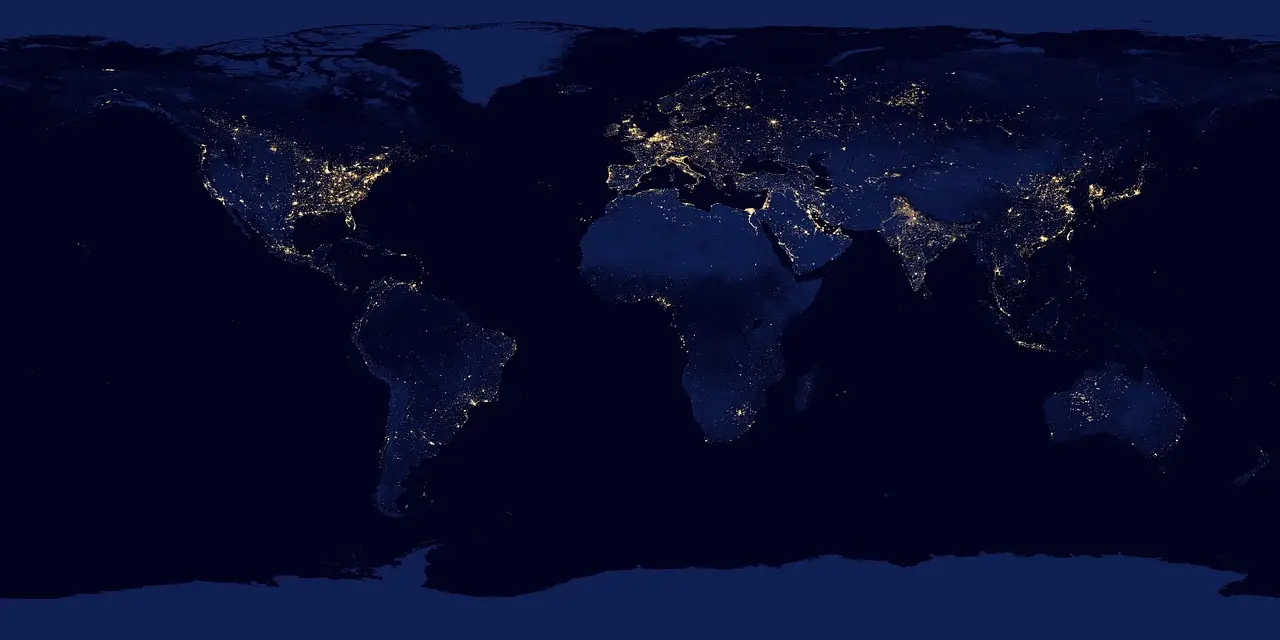
- Brighter, more numerous objects degrading the night sky
"You could end up with a cascading set of space junk collisions," Becker said, warning that crashes could create "a cloud of debris" in low Earth orbit — the same region where many weather and telecommunications satellites operate.
Who tried to block it?
The FCC acknowledged it received a "substantial number" of public comments before Wednesday's authorization, including petitions to deny SpaceX's request. The American Astronomical Society, satellite communications company Viasat and Amazon-owned Kuiper Systems were among those calling on the regulator to say no.
The AAS said in a statement Wednesday that it was "disheartened and dismayed" by the decision. The organization argued that placing data centers in low Earth orbit would undermine decades of federal investment in astronomical facilities and "the ability of astronomers and the public to enjoy and study the night sky."
"The proposed constellation involves larger (and therefore brighter) and more numerous objects," the AAS said, noting that "these satellites would therefore be visible as extremely bright objects for longer periods in the night sky." Becker echoed the concern: "It also is pollution of the night sky to the naked eye."
What did the FCC decide about the risks?
In its ruling, the commission maintained that the proposed Starmind constellation operates consistently with its orbital debris rules. It also said deploying the satellites "serves the public interest."
On the environmental questions, the FCC drew a jurisdictional line: it dismissed topics it said it lacks authority over, such as environmental concerns. Viasat, Amazon, SpaceX and the FCC did not immediately respond to The Associated Press' requests for further comment on Wednesday.
The result is an authorization that is historic on paper — the FCC itself called it a first — but contingent on a deployment deadline nearly a decade away. Whether one million satellites ever reach orbit, and whether they can shed the heat they generate, remains an open question that Wednesday's order doesn't answer.
via wbrz.com (Source)
More from Nathan Brooks
Show full bio
Market editor covering companies, deals and strategy in general science news at SciBeat.
609 articles
Nearby plates
- FCC Approves 1 Million SpaceX AI Satellites for Orbital Data Centers
- First 'Humanitarian Satellite' Set for July 2027 Launch
- One Million Orbiting Data Centers Could Multiply Space Pollution 100-Fold
- NASA Seeks Industry Proposals for Commercial Space Stations
- DOE Budget Proposal Boosts Supercomputers, Cuts Research Funding