Plate Nº 83 · recorded November 18, 2026
Biology & EvolutionReported finding
Genomic selection could boost southern corroboree frog survival
Modelling in npj Biodiversity suggests selective breeding could raise average survival time in the southern corroboree frog by about 9% in one generation — the first use of genomic selection in conservation.
By Elena Vasquez4 min read744 words
In brief
- Modelling predicts roughly 9% higher average survival time after chytrid exposure in the next generation.
- First application of genomic selection in conservation; published in npj Biodiversity (2026), DOI 10.1038/s44185-026-00166-1.
- The southern corroboree frog is considered functionally extinct in the wild because of chytridiomycosis.
- Five partners contributed: University of Melbourne, James Cook University, NSW government, Zoos Victoria and Taronga Conservation Society.
- The study builds on six years of genomic tool and disease data set development; next steps include field validation of laboratory gains.
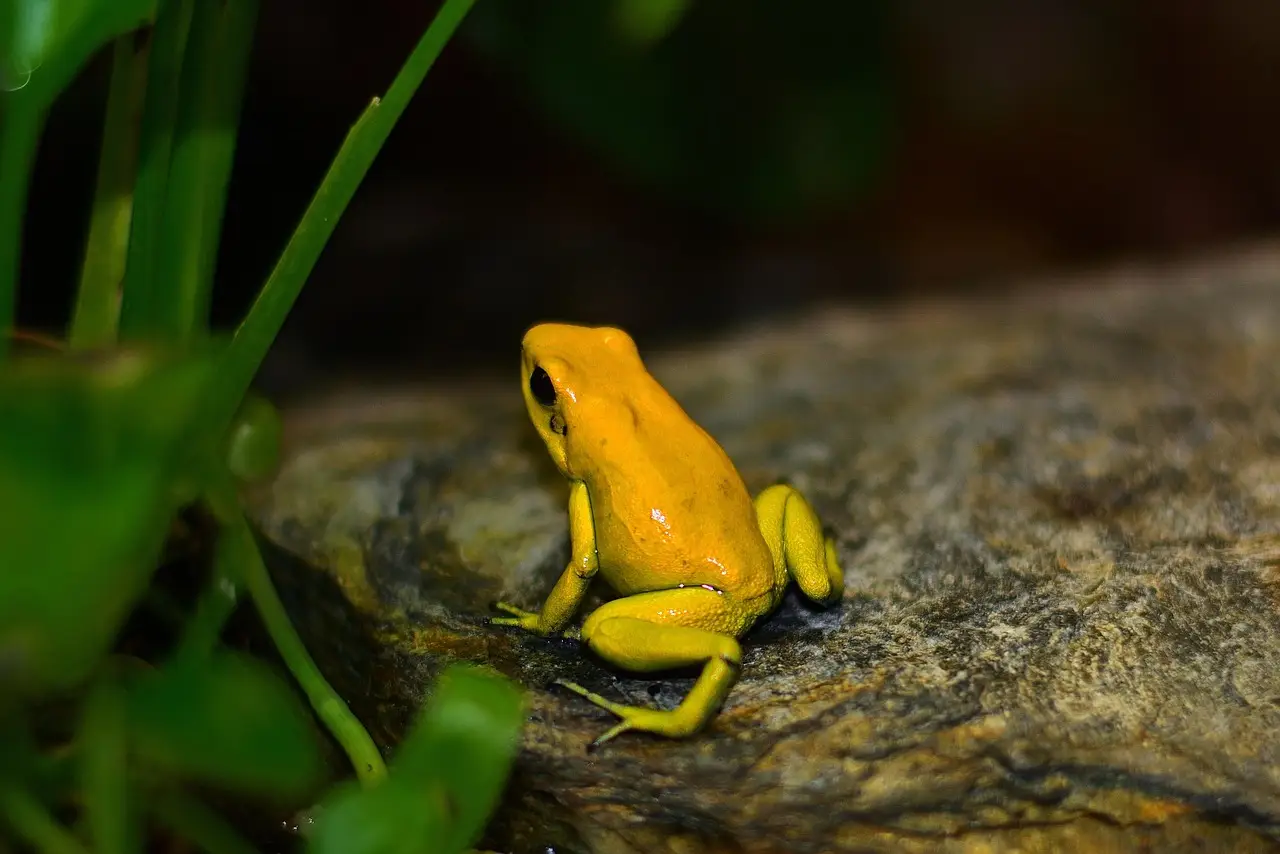
Selective breeding could raise average survival time in the southern corroboree frog by about 9% in a single generation, according to modelling published in the journal npj Biodiversity. The study is the first application of genomic selection — a breeding method long used in livestock and crop science — in conservation, and it targets one of Australia's most threatened amphibians.
The southern corroboree frog (Pseudophryne corroboree) is considered functionally extinct in the wild: chytridiomycosis, an infectious disease caused by the amphibian chytrid fungus, has wiped out wild populations. Captive breeding keeps the critically endangered species alive, but returning frogs to infected landscapes stays hard because the fungus persists in the environment.
Lead author Dr Mikaeylah Davidson, who completed the work as part of her PhD at the University of Melbourne, said the result marks a conservation first.
"Using genomic data, we were able to show that survival following chytrid infection is a heritable trait, meaning some of the differences in survival are due to genetic differences that can be passed on to the next generation," Davidson said.
What made some frogs last longer?
The southern corroboree frogs in the study differed in how long they survived after exposure to chytrid fungus, and the researchers found that some of that variation is inherited rather than random. In plain terms, resistant frogs tend to produce resistant offspring.
"This means there is genetic variation we could potentially use to improve survival through selective breeding," Davidson said. "Excitingly, this approach is a potential way to move beyond simply keeping endangered frogs alive in captivity, toward actively improving their ability to cope with the threats preventing their recovery in the wild."
The paper, by Mikaeylah J. Davidson and colleagues, appears in npj Biodiversity (2026) as "Genomic selection to enhance disease resilience in an endangered species."
How the method actually works
Genomic selection means scanning DNA markers across a whole population, then breeding the animals that carry the versions of those markers linked to the trait you want — here, longer survival after fungal exposure.
The team combined laboratory infection experiments with genome-wide genetic information, including a custom genotyping array, a tool for reading thousands of DNA markers at once, built specifically for the southern corroboree frog. They paired that with a newly mapped genome and extensive disease-resilience data.
Their model indicated that genomic information could guide breeding decisions and lift average survival time after exposure to chytrid fungus by around 9% in the next generation, while keeping inbreeding low and retaining genetic diversity.
The project draws on six years of work to build the genomic tools and disease data sets, and on an established captive breeding program supported through partnerships with Zoos Victoria and Taronga Conservation Society.
Five groups contributed:
- the University of Melbourne
- James Cook University
- the New South Wales government
- Zoos Victoria
- Taronga Conservation Society
Does stronger resilience cost genetic diversity?
Not on this evidence. The research suggests improved disease resilience does not have to come at the expense of genetic diversity — the point that matters most for small, critically endangered populations, where maintaining diversity and limiting inbreeding underpin long-term population health and evolutionary potential.
Could the approach reach other threatened species?
Senior author Lee Skerratt, a University of Melbourne professor at the Melbourne Veterinary School, said the method may help other threatened wildlife affected by persistent disease, particularly species already managed through captive breeding.
"Amphibians are an important focus, with hundreds of species now maintained in captivity for conservation as chytrid fungus continues to threaten populations globally," Skerratt said. "Genomic selection could help conservation breeding programs move beyond preventing extinction by moving animals into captivity toward actively supporting animals' ability to survive threats in the wild."
What still has to be proven
The 9% figure is a modelling prediction, not a measured result from the field. The next stage is to improve and validate the predictions using genomic information from more of the breeding population, and to explore other genetic approaches to disease resistance.
Researchers also need to test whether the predicted improvements actually show up in subsequent generations, and — critically — whether greater survival under laboratory conditions translates into better outcomes in the wild. Davidson, now a research fellow at James Cook University, is part of that work.
The takeaway: Breeding for resistance to the fungus that pushed the southern corroboree frog toward extinction could buy the species about 9% more survival time per generation, but scientists still have to show that in the field.
via phys.org/rss-feed/ (Source)
More from Elena Vasquez
Show full bio
Correspondent covering money, funding and market shifts around general science news at SciBeat.
510 articles
Nearby plates
- Museum Frogs Solve a 50-Year Mystery of Brazil's Vanishing Amphibians
- Climate Refuges Could Save Panama's Frogs from Deadly Chytrid Fungus
- Yosemite Toads Catch Deadly Fungus in Their Winter Burrows, Study Finds
- Ranavirus outbreaks cut monkey frog population by 83% in Brazil
- Seven New Diamond Frog Species Found Under Madagascar's Forest Floor