Recorded November 27, 2026
Biology & EvolutionReported finding
Lizards build complex teeth through a different developmental route
Researchers compared six lizard species and found that extra tooth peaks formed in a broad signaling region, without the separate temporary cell centers seen in mammals.
By James Calloway4 min read733 words
In brief
- Researchers examined embryos from six lizard species with complex teeth.
- Lizards used a broad, persistent cusp signaling field rather than separate temporary cell centers.
- Bearded dragons with a genetic mutation had unusually large teeth, some with extra or split peaks.
- The BITES computer tool works backward from tooth shapes to explore possible developmental mechanisms.
- The study appeared in Proceedings of the National Academy of Sciences in 2026.
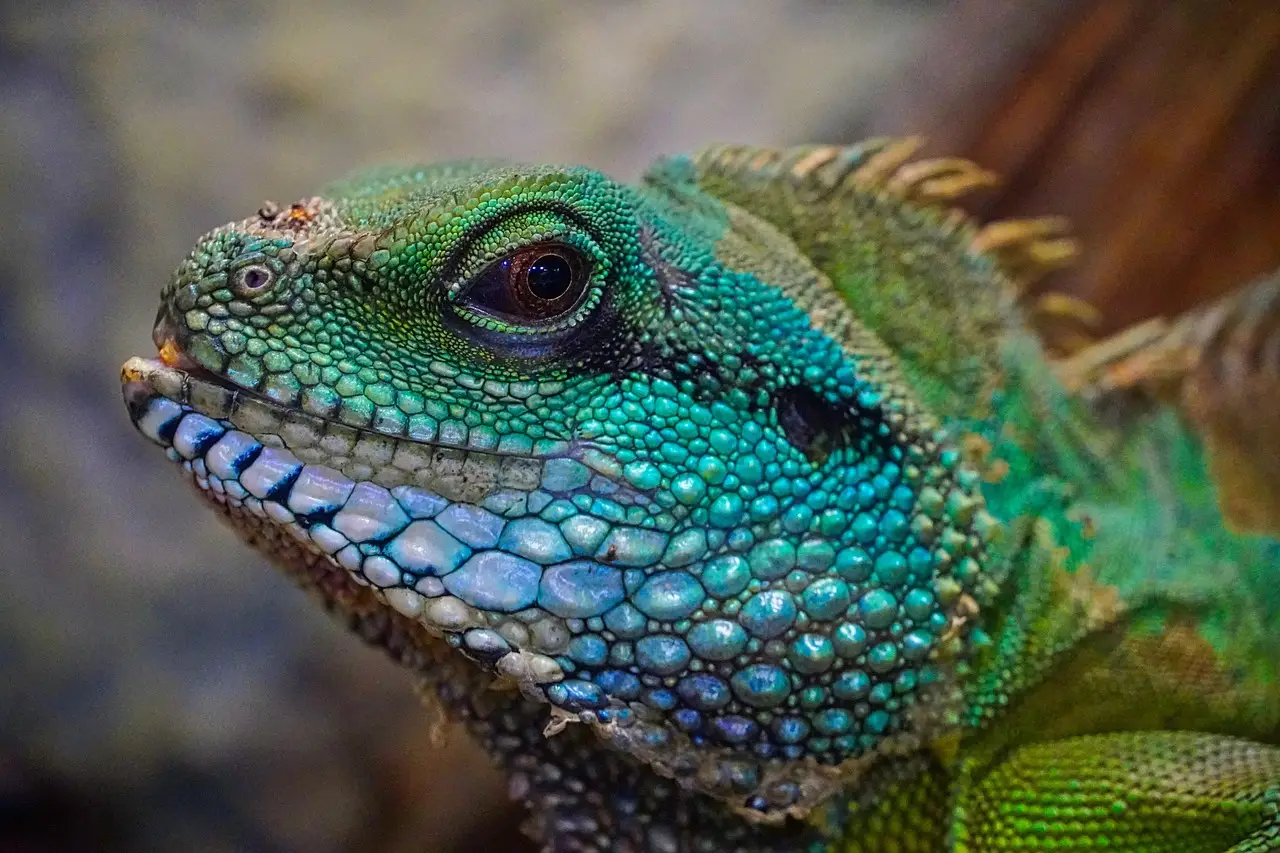
Six lizard species form extra tooth peaks through a broad, persistent signaling region, unlike the small, temporary cell groups that organize comparable peaks in mammals.
Researchers from the Institute of Biotechnology, part of the Helsinki Institute of Life Science (HiLIFE) at the University of Helsinki, report in Proceedings of the National Academy of Sciences that evolution can produce similarly complex teeth through different biological routes.
The study, led by research director Dr. Nicolas Di-Poi, examined how tooth shape forms during development. That process matters because tooth shapes closely track diets and adaptation to different environments over millions of years. It also gives evolutionary biologists a concrete way to study how organs acquire their shape.
“We discovered that nature has more than one way to build a complex tooth. Even though mammals and lizards use many of the same genes, they organize these signals differently during development,” Di-Poi said.
The finding challenges the assumption that vertebrates using many of the same genes to make complex teeth must use the same mechanism. The authors believe their comparison ends that immediate debate. That verdict does not settle the deeper question of whether the lizard system is ancient or newly evolved.
How do lizards form extra tooth peaks?
The team followed lizard embryos at several developmental stages. Teeth can range from simple pointed structures to elaborate shapes with several peaks, which scientists call cusps.
In mammals, small, temporary groups of signaling cells organize the individual tooth peaks. The six lizard species with complex teeth used a different arrangement, which the team calls a “cusp signaling field.”
“The additional tooth peaks formed without the separate signaling centers we expected to find based on what we know in mammals,” said Daria Razmadze, doctoral researcher and first author of the study.
Razmadze’s team instead found a broad region of activity that persisted throughout tooth development. Unlike the separate mammalian centers, this signaling field remained spatially extended, providing a different route to complex shapes.
Changes in the region’s size, together with tissue growth, associate with additional peaks and other tooth shapes. Compared with the mammalian arrangement, this broad system may give lizards more flexibility, although the study does not establish that advantage in every lineage.
What evidence supported the mechanism?
The researchers combined advanced imaging and molecular analysis in a targeted approach to the developmental process. The release does not specify the individual imaging methods or molecular measurements, limiting assessment of their precision.
Bearded dragons carrying a genetic mutation had unusually large teeth; some had extra or split peaks. The observation shows how sensitive tooth shape can be to changes in signaling and tissue growth during development, though it does not explain every effect of the mutation.
Lizard lineages that independently evolved complex teeth all showed similar signaling patterns. That pattern hints that the flexible mechanism may have helped complex tooth shapes evolve repeatedly. It does not prove that the mechanism caused every independent origin.
Di-Poi’s broader conclusion was that evolution need not invent new genes or entirely new developmental processes to produce novel structures. Rearranging existing genetic signals in space and time can yield markedly different outcomes.
What does this change for studying tooth evolution?
Researchers no longer have to assume that a shared genetic toolkit produces complex teeth through one universal route. The lizard evidence suggests that organizing the same signals differently can produce a substantially different shape.
The team also built BITES, a computer tool that works backward from an observed tooth shape to explore which developmental mechanisms could produce it. The tool may help researchers compare possible explanations, but it cannot by itself establish what happened in an extinct ancestor.
The next question is reach: scientists still need to test how common this system is among reptiles, fishes and other vertebrates. Di-Poi said the team does not yet know whether it represents a mechanism inherited from early vertebrates or an evolutionary innovation in particular lineages.
The study still matters for more than teeth. By separating genetic signals from their timing and location, it gives developmental biologists a way to investigate organ shape and developmental abnormalities. It is a research lead, not a finished account of tooth evolution.
Daria Razmadze and colleagues published “An alternative patterning mechanism for vertebrate tooth complexity” in Proceedings of the National Academy of Sciences in 2026. The DOI is 10.1073/pnas.2630883123.
via phys.org/rss-feed/ (Source)
More from James Calloway
Show full bio
Staff writer covering regulation, policy and their impact on general science news at SciBeat.
625 articles
Nearby plates
- Chameleon Embryos Share a Developmental Trick Once Thought Unique to Mammals
- 120-Million-Year-Old Mammal Fossil Had Three Sets of Teeth
- No 'Lizard Brain': Evolution Trades Brain Wiring Styles, Study Finds
- Homo erectus survived 200,000 years longer than we thought
- Duck-Billed Dinosaur's 'Teeth' Were Actually Blood Vessels, Study Finds