Plate Nº 86 · recorded November 17, 2026
Biology & EvolutionReported finding
More than half of 131 Egyptian cat skulls showed disease or injury
A 2026 study of 131 Egyptian cat skulls found widespread illness, fight injuries and fatal wounds, challenging the idea that cats destined for gods lived comfortably.
By James Calloway4 min read835 words
In brief
- 131 cat skulls form the largest known museum collection of ancient Egyptian cat skulls with a documented origin.
- More than half of the 131 skulls showed signs of disease or injury.
- Most skulls likely belonged to domestic cats; at least 7 belonged to jungle cats.
- Radiocarbon dating placed 8 of 9 sampled deaths between 380 and 40 B.C.
- The remaining skull dated to the Third Intermediate Period and may instead have come from Bubastis.
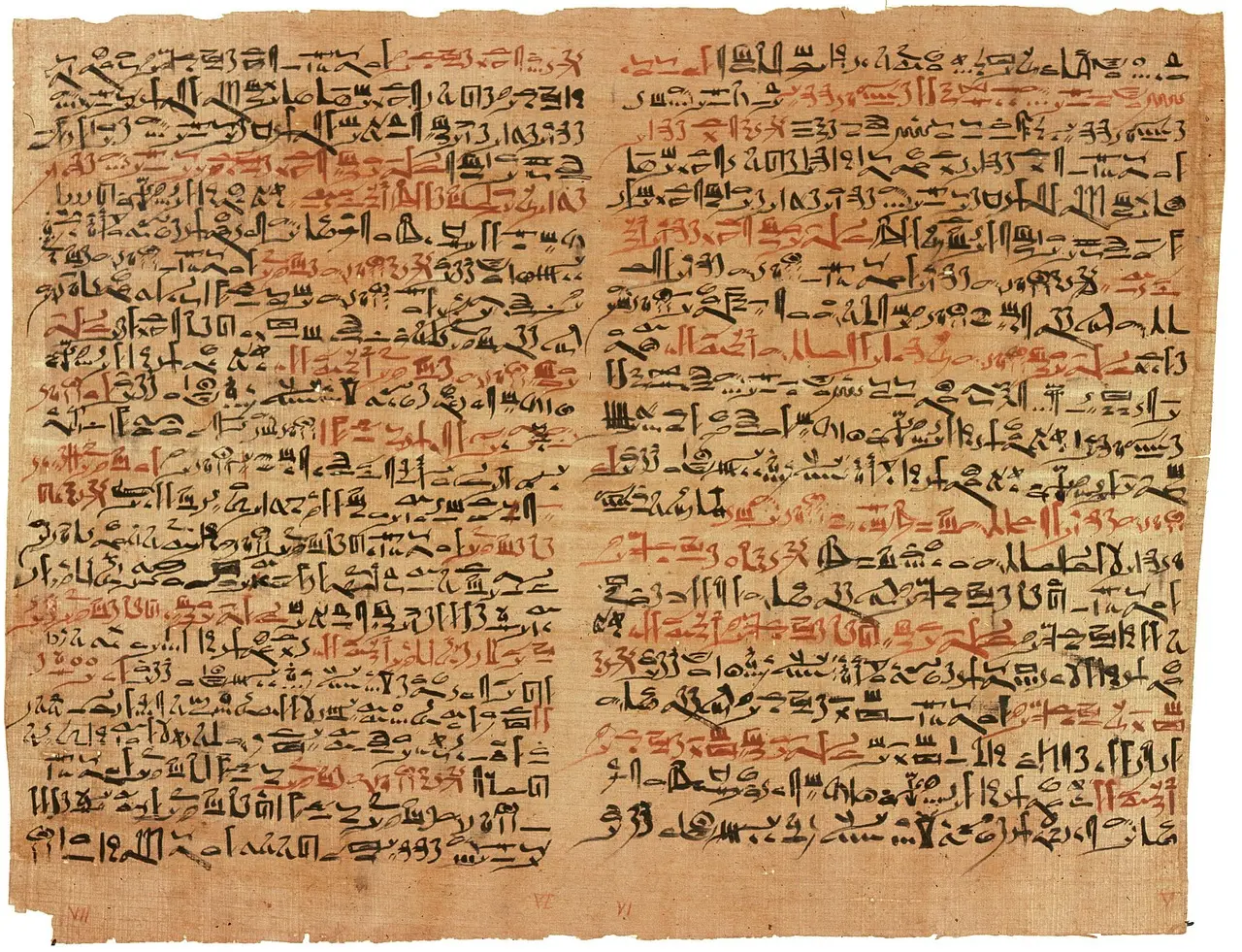
More than half of the 131 ancient Egyptian cat skulls in a Vienna museum collection showed signs of disease or injury, challenging the image of pampered pets prepared for the gods.
By James Calloway
A 2026 study in the Journal of Archaeological Science examined those remains and suggests that many cats destined to become votive mummies—offerings to the gods—endured poor conditions. Egyptians had offered cats to the gods more than 2,000 years earlier.
“What struck us most was the high proportion of injuries and evidence of disease, suggesting that these cats lived in poor conditions,” said Bea De Cupere, a zooarchaeologist and study co-author at the Royal Belgian Institute of Natural Sciences. “This is not what one would expect for animals destined to become votive mummies.”
A zooarchaeologist studies animal remains from archaeological sites.
What did the forgotten collection contain?
The cat skulls had sat largely unnoticed at the Natural History Museum in Vienna since the 19th century. Old letters preserved in the museum’s archives indicate that they likely came from Beni Hassan, a massive animal cemetery in the Nile Valley. The 131 skulls make this the largest known museum collection of ancient Egyptian cat skulls with a documented origin.
Exactly what happened to the rest of each cat’s bones remains uncertain. People ground many 19th-century animal mummies into medicine or used them as fuel and fertilizer. Wim Van Neer, a researcher at the Royal Belgian Institute of Natural Sciences and professor at Katholieke Universiteit Leuven, thinks the bodies were probably discarded because scientists then focused mainly on skulls.
In the 19th and early 20th centuries, researchers regularly unwrapped mummies. Today they generally try to avoid that, relying on modern technologies to inspect what lies beneath ancient bandages. These cat skulls had already been separated from their bodies, making direct examination more practical.
What did the injuries reveal?
Researchers measured every skull and recorded signs of injury and disease, including cut marks, holes and fractures. Most skulls probably belonged to domestic cats. At least seven belonged to jungle cats, a larger wild species specifically caught for mummification.
The tally was grim. More than half showed disease or injury. Cats appeared with missing teeth, signs of gum disease and unusually pitted bone that the authors linked to infection. Others carried wounds or tooth marks likely from fighting.
Van Neer said the high density of animals would have produced stress and aggression while making disease easy to spread. The study interprets the collection as a crowded population in which fights broke out often. That is an inference from bone damage, not a direct record of every enclosure or encounter.
Other injuries suggest attacks with a blade or a blunt object such as a stick. Some damage was fatal; other wounds showed signs of healing. Van Neer said capture and killing may not always have gone as intended. He proposed that some cats escaped and survived even after harrowing injuries.
When did the cats die?
Radiocarbon dating, a method that estimates age from carbon in once-living material, tested nine skulls. It placed eight deaths between 380 and 40 B.C., around the end of Egypt’s Late Period and the beginning of Ptolemaic rule. The ninth dated to the much older Third Intermediate Period.
That skull’s date could mean Beni Hassan was used for cat mummification earlier than written sources indicate. Or it may not have come from Beni Hassan at all. It could have come from Bubastis, described in the source as Egypt’s oldest known cat cemetery. The researchers therefore have two plausible explanations, not a settled answer about where that specimen originated.
Chemical analysis of the bones suggests that domestic cats were likely born and raised around people. Wild jungle cats were probably caught young and then kept together with the other cats. That supports the study’s picture of animals held in dense groups before mummification.
What can’t the skulls tell us?
The collection offers a rare glimpse of cats assembled as offerings to the gods. It suggests poor conditions, crowded quarters, recurring fights and widespread illness, although skull evidence cannot reconstruct every part of an animal’s life.
“Were they allowed to roam freely, or were they kept in enclosures? And if so, what did these enclosures look like?” Van Neer asked. “These are questions that the skeletal remains alone cannot answer.”
What does this change for understanding Egyptian cat mummification?
It changes the starting assumption: the cats were not necessarily pampered. The study’s more cautious picture is of stressed, crowded and sometimes violent conditions around animals destined for mummification.
The evidence also sets a firm limit. Bones can reveal injury, infection and crowding, but they cannot tell us whether keepers confined the cats or what their enclosures looked like.
The study is Wim Van Neer et al., “Keeping cats for mummification in ancient Egypt: osteological evidence from Beni Hassan,” Journal of Archaeological Science (2026), DOI 10.1016/j.jas.2026.106733.
via phys.org/rss-feed/ (Source)
More from James Calloway
Show full bio
Staff writer covering regulation, policy and their impact on general science news at SciBeat.
474 articles
Nearby plates
- Skull Fractures Back Theory of Sacrifice at Egypt's First Royal Tombs
- Forgotten Museum Fossil Reveals New European Clawed Dinosaur
- First European Meرaraptor Found in a Museum Drawer After 100 Years
- Animals May Have Evolved 200 Million Years Earlier Than Thought
- Keepsakes May Date Back Half a Million Years, Study Claims