Plate Nº 48 · recorded November 18, 2026
Biology & EvolutionReported finding
New flying frog species found in Sulawesi rainforests
A 2026 study identifies Sulawesi’s Rhacophorus kurniatiae, a green flying frog whose tadpoles develop in gel rather than foam nests, after fieldwork from 2009 to 2013.
By Nathan Brooks4 min read857 words
In brief
- A 2026 Zootaxa paper identified the species as Rhacophorus kurniatiae.
- Researchers compared 28 physical characteristics, DNA, behavior and call recordings with known Rhacophorus species.
- Field surveys ran from 2009 to 2013, from near sea level to the Mekongga Mountains’ highest peak.
- Thousands of frogs were found above 6,100 feet near the seasonal lake Danau Coca-Cola.
- It is the first Rhacophorus observed with a gelatinous reproductive matrix, unlike related species’ foam nests.
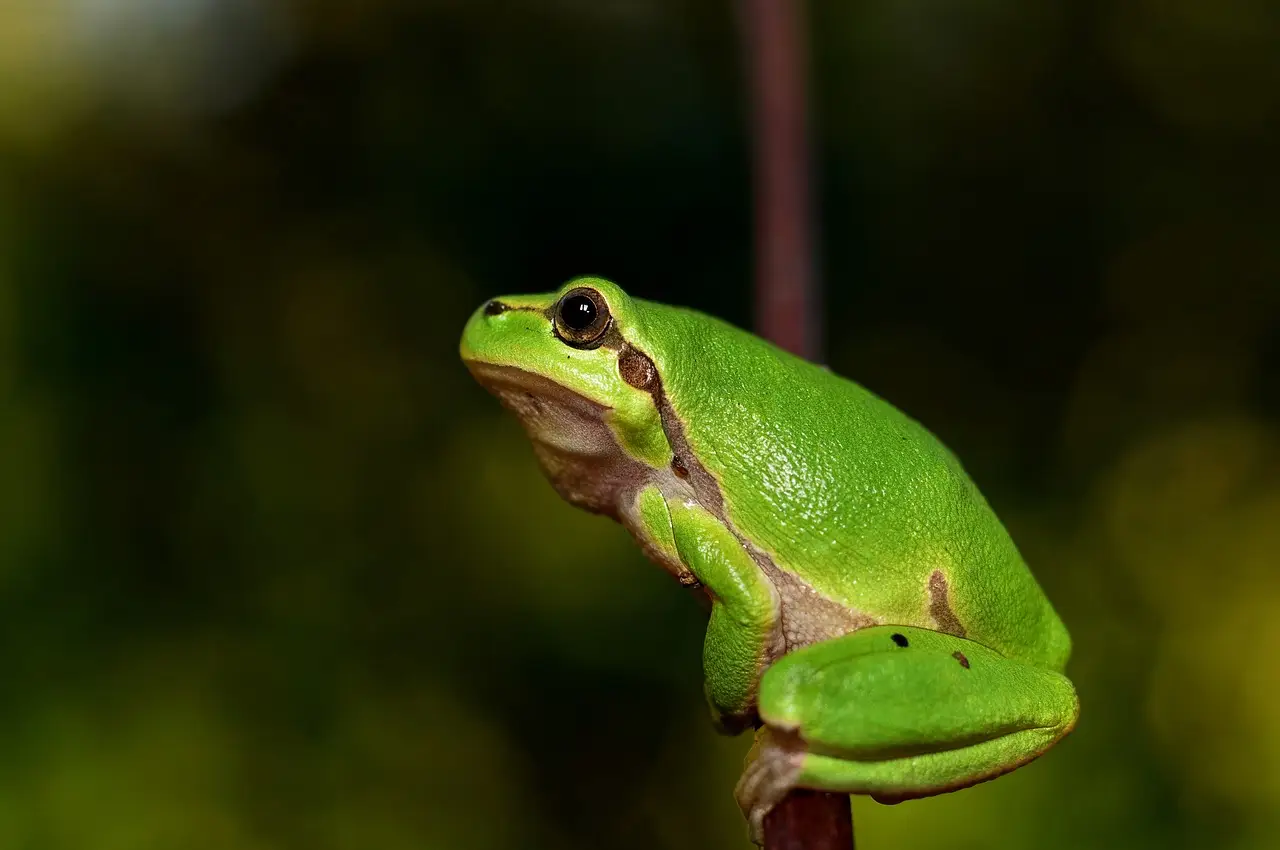
A 2026 Zootaxa paper identifies a new Asian flying frog, Rhacophorus kurniatiae, from the Mekongga Mountains of Sulawesi, a large Indonesian island near Borneo. The species has a reproductive trait not recorded in other Asian flying frogs. Researchers compared 28 physical traits, DNA, behavior and audio recordings to separate the bright-green animal from known members of the Rhacophorus genus.
What makes this flying frog different?
The frog’s eggs develop inside a jellylike mass on vegetation that hangs above or near water. This differs from related flying frogs, which build frothy foam nests that keep eggs moist as larvae develop. The gel encloses both eggs and developing tadpoles, making breeding behavior a key difference from known species.
Corresponding author Alamsyah Elang Nusa Herlambang, a researcher at the Museum Zoologicum Bogoriense, said: “This Rhacophorus has a different reproductive strategy from all other Asian flying frogs.” He added: “It's the first time we have seen Rhacophorus with a gelatinous matrix for its reproduction strategy. It's unique.”
Pointed snouts and distinctive calls also set the frog apart. Its large, webbed feet help Rhacophorus glide between trees, explaining the “flying frog” label. The bright green animal can fit on a person’s cheek.
How did researchers confirm it was a new species?
Researchers knew the population belonged to Rhacophorus, a genus of flying frogs, but appearance alone could not establish a new species. They assembled several lines of evidence and compared each with other known members of the genus:
- 28 measured physical characteristics
- Genetic information from DNA
- Behavior, including reproductive habits
- Audio recordings of the frogs’ calls
The combined differences supported the species designation. Andrew “Andy” Engilis Jr., curator of the UC Davis Museum of Wildlife and Fish Biology, said the team examined hundreds and hundreds of specimens. He said the frog resembles other Rhacophorus even though its genetics and breeding behavior show that it is distinctive.
He explained that animals can look alike yet remain separate species when their genetics or behavior differ. Scientists call this pattern “cryptic species,” meaning a species that looks similar to another but has distinct genetics or behavior. The frog’s DNA, recorded calls and unusual egg-laying behavior supplied those distinctions.
How did the team find thousands of frogs?
Finding the frogs required trekking along rivers, climbing through dense rainforest and camping in rugged, poorly surveyed terrain. From 2009 to 2013, the researchers surveyed the Mekongga Mountains from near sea level to the highest peak, documenting the area’s broader biodiversity.
The expedition joined the Museum Zoologicum Bogoriense, the Indonesian Institute of Sciences and UC Davis’s natural history museums consortium. The consortium includes the Museum of Wildlife and Fish Biology, where Alan Hitch served as a research affiliate and Engilis as curator.
At more than 6,100 feet (1,860 meters), the team found thousands of frogs near the small seasonal mountain lake Danau Coca-Cola. Hitch led the field team as a postdoctoral researcher and co-author of the description.
Hitch said seeing and hearing the chorus for the first time was unforgettable and “super special.” He recalled: “We were moving up the mountain, and we came across this big pond covered in these green frogs; they were all over. You don't really see frogs in big congregations like that.”
Lead author Wahyu Trilaksono, a Museum Zoologicum Bogoriense herpetologist, collected the frogs and suspected immediately that they represented an undescribed species. A herpetologist is a scientist who studies amphibians and reptiles.
Why was the frog named for Hellen Kurniati?
The Indonesian scientists named the frog Rhacophorus kurniatiae for the late Hellen Kurniati. She was a long-serving staff member at the Museum Zoologicum Bogoriense and helped advance the study of Indonesia’s amphibians and reptiles. Hitch recalled that Kurniati had a heart of gold and linked that generosity to her drive to do excellent scientific work.
What else did the expedition identify?
Engilis, who served as associate program leader for the ICBG Indonesia Project’s biodiversity discovery work, said this was the second new frog species his team described during the expedition. The project also identified a newly described gecko named for Hitch and two new fish species.
More frogs, mammals and potentially a bird are still being described. Those identifications remain in progress, rather than finalized species descriptions.
What does the discovery mean for conservation?
Scientists continue to find species on Sulawesi and its surrounding islands, where a large percentage of wildlife is endemic—found nowhere else on Earth. Engilis said documenting the Mekongga’s distinctive biodiversity has placed the region under consideration for national park status. He said a conservation biologist’s ultimate goal is conserving biodiversity and that further discoveries could help accelerate the national park process, though designation is not final.
Where does the finding stand?
The full description, “Montane endemism and cryptic diversity in Sulawesi: A new species of flying frog with derived breeding traits,” appeared in Zootaxa in 2026. Wahyu Trilaksono is the first author, and the paper’s DOI is 10.11646/zootaxa.5900.4.3. The published evidence documents the flying frog’s distinctiveness; other expedition species remain under description.
via phys.org/rss-feed/ (Source)
More from Nathan Brooks
Show full bio
Market editor covering companies, deals and strategy in general science news at SciBeat.
456 articles
Nearby plates
- New Flying Frog Species Lays Its Eggs in Gel, Not Foam
- Seven New Diamond Frog Species Found Under Madagascar's Forest Floor
- Museum Frogs Solve a 50-Year Mystery of Brazil's Vanishing Amphibians
- Ranavirus outbreaks cut monkey frog population by 83% in Brazil
- Why hybridizing darters use three different sex chromosomes