Plate Nº 53 · recorded November 16, 2026
Reported finding
Seven in 10 Young Mathematicians Say AI Is Pushing Them Out
A survey of 268 grad students and postdocs at nearly 60 institutions finds seven in 10 less likely to stay in math as AI advances—yet nearly all of them use it anyway.
By Marcus Bennett3 min read615 words
In brief
- 70 percent of 268 surveyed young mathematicians say they are less likely to remain in the field.
- Only 13 percent of respondents are happy with the current trajectory of AI in mathematics.
- About half are optimistic about AI's potential; a third oppose its use.
- Nearly all respondents use AI, many out of perceived pressure to keep pace.
- Most responses arrived before OpenAI published AI-assisted solutions to hundreds of open problems in October.
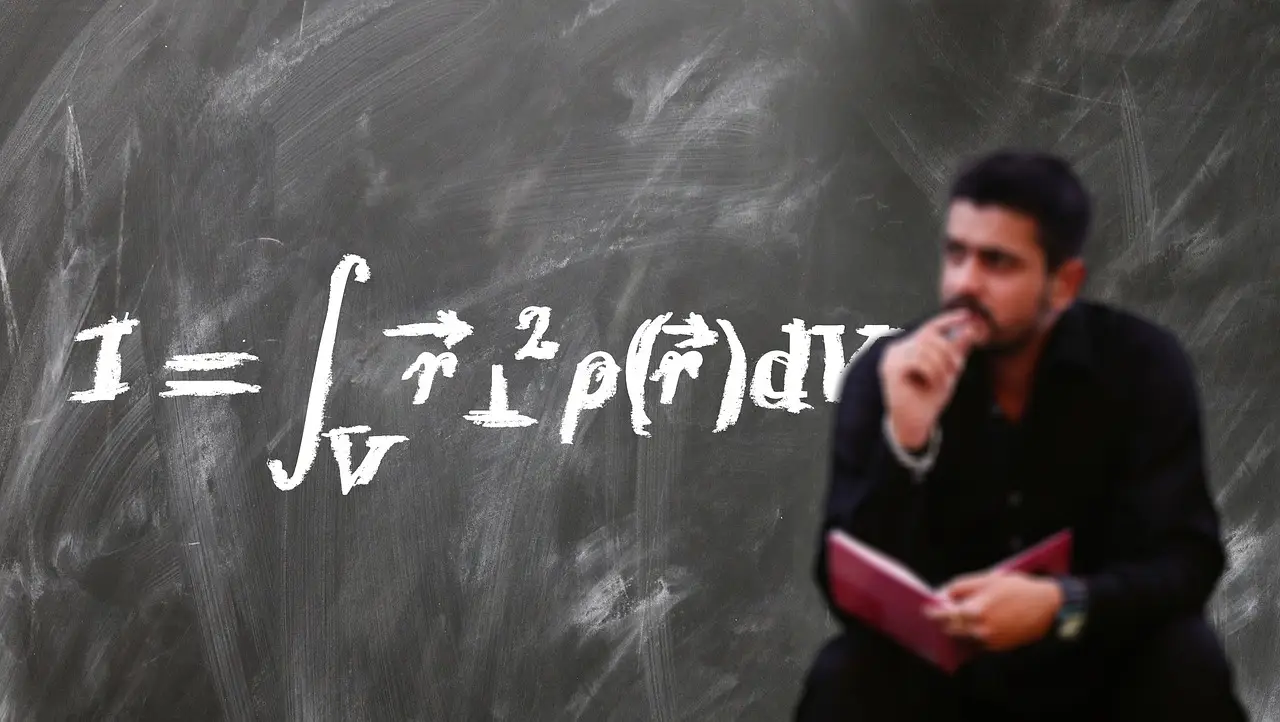
Seven in 10 young mathematicians say they are now less likely to stay in the field, according to a survey of 268 graduate students and postdocs conducted by three math Ph.D. students and described in a preprint paper.
Anna Brandenberger, Hanna Mularczyk and Dora Woodruff launched the online Google Forms survey after AI systems cracked problems mathematicians had chased for decades. The responses came from nearly 60 institutions and spread through word of mouth and department mailing lists. "We needed something that features the voices of grad students and postdocs as well," Woodruff says.
The results show a community in limbo: largely frustrated, anxious, and divided about what to do next.
What do the numbers show?
The survey's findings stack up as a portrait of early-career distress:
- 70 percent of respondents say they are now less likely to remain in mathematics.
- There is broad consensus that AI will make tenure-track jobs harder to get.
- Two-thirds report feeling less motivated to work on their research, citing the growing possibility that a large language model (LLM) — an AI system trained on vast amounts of text that can generate proofs and conjectures — will beat them to their goals.
- Only 13 percent of all respondents are happy with the field's current trajectory.
"People have said things to me like, 'I feel useless,'" Woodruff says. "It's not just people's jobs—math is a lot of people's identities." Some respondents, she adds, feel that "not only does their work not matter, but their minds and their creativity don't matter."
While senior mathematicians debate what the discipline might look like in 20 years, early-career researchers are worried about the next paycheck. Woodruff sums up the mood among her colleagues: "In one year or two years, I don't know if I'm going to have a job or funding."
Is the field for or against AI?
Neither, exactly. Young mathematicians split roughly down the middle on the technology itself:
- About half describe themselves as optimistic about AI's potential for mathematics.
- Roughly a third oppose its use outright, or at least for creative mathematical work.
- Among the optimists, four out of five say they are excited about AI in theory but strongly opposed to how things are unfolding in practice.
That asterisk matters. Enthusiasm for the idea of AI in math coexists with sharp discomfort at its real-world rollout, leaving only a small faction satisfied with where the field is heading.
Are they using the tools anyway?
Yes—almost all of them. Nearly every respondent reported using AI, but few seem to enjoy it. In written responses, many describe feeling pressured to use AI just to keep pace with their peers. The result is a generation of mathematicians reluctantly mastering the very technology they fear could make them obsolete.
In short: the people closest to the field's future are adopting AI out of competitive necessity, not conviction.
How reliable is the survey?
Woodruff cautions against reading the results as a census of young mathematicians. The survey was voluntary, so respondents may skew toward those with strong feelings, and it is not representative of all early-career researchers. She also notes that nearly all responses arrived before OpenAI published AI-assisted solutions to hundreds of open problems in October — a development that could sharpen or shift these attitudes.
Even with those limits, the data show that math's headline-making year has come at a real human cost to its junior ranks.
"A lot of people outside of math are looking at what's happening in math now," Woodruff says. "So far, we're not doing a particularly inspiring job."
via scientificamerican.com (Source)
More from Marcus Bennett
Show full bio
News editor covering regulation, policy and their impact on general science news at SciBeat.
449 articles
Nearby plates
- After Math's Upheaval, Physicists Ask Whether Science Is AI's Next Conquest
- AI-Written Grant Proposals Win More but Follow the Herd
- AI Models Fold Under Pressure on Climate Facts, UNESCO-UCL Study Finds
- AI use is near-universal, but university policy lags behind
- Physicists Verify OpenAI's AI-Generated Yang-Mills Proof