Plate Nº 10 · recorded November 14, 2026
Chemistry & MaterialsReported finding
Solar Panels Still Deliver 80% Power After 30 Years, Studies Show
Swiss solar panels from 1987–1993 still output over 80% of rated power after 30+ years, while a 1.25-million-system German study confirms slower-than-expected ageing.
By Elena Vasquez4 min read852 words
In brief
- Swiss solar systems installed 1987–1993 degraded just 0.24% per year, with most panels above 80% of rated power after 30–35 years.
- A 2026 study of 1.25 million German installations found average annual degradation of 0.59% across 34 GW of capacity.
- Algerian desert panels retained only about 53% of rated power after three decades, with 1–2% annual degradation.
- Chile's Atacama Desert study of 1,216 modules estimated 1.32% annual degradation and a ~15-year lifespan to the 80% threshold.
- Solar supplied about 8.7% of global electricity in 2025, per Ember.
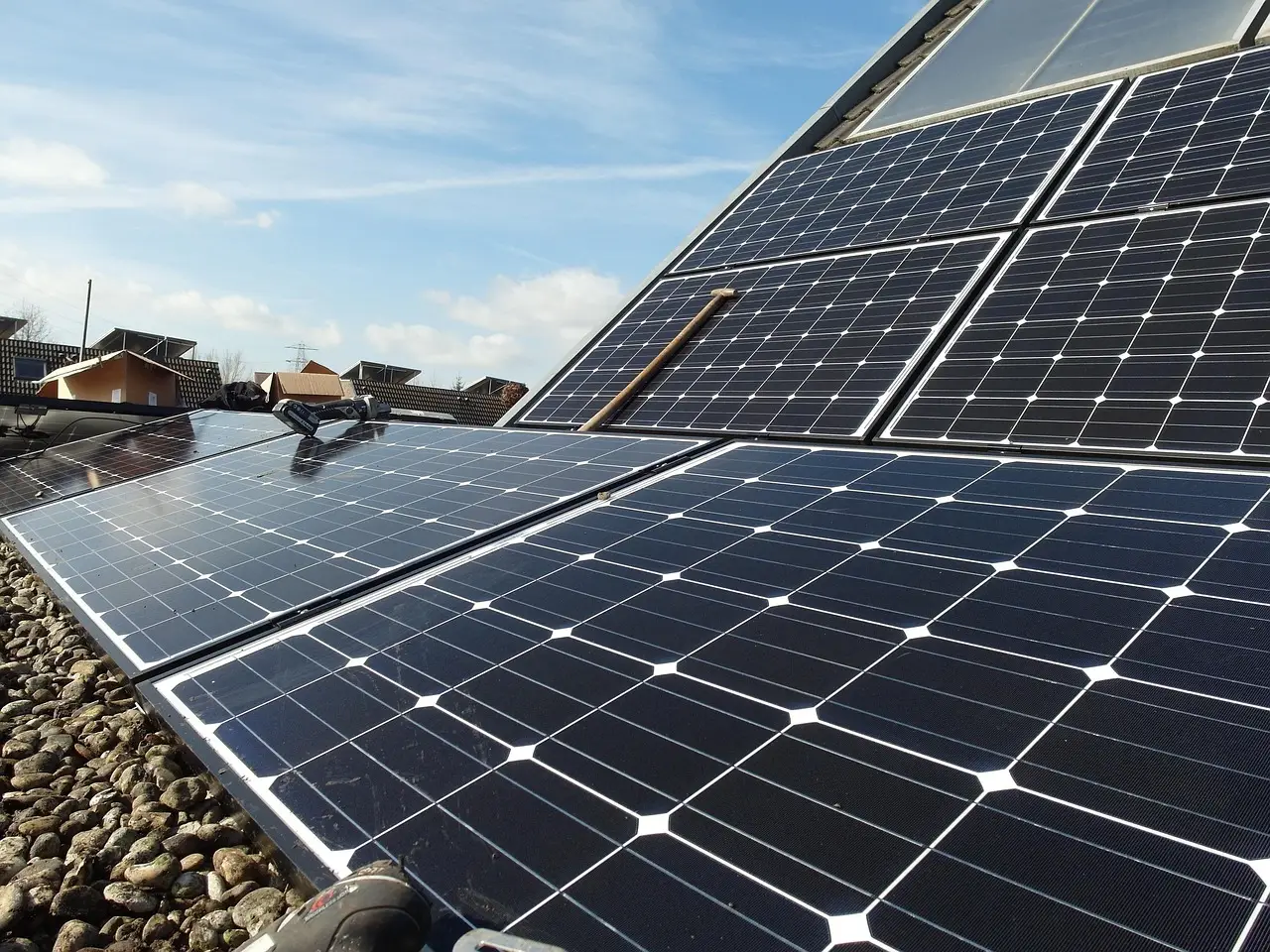
Swiss solar panels installed between 1987 and 1993 lost just 0.24% of their performance per year on average — roughly three times slower than figures often reported in the literature. After 30 to 35 years, most individual modules still delivered more than 80% of their original rated power, well past the 25-to-30-year warranties manufacturers typically offer.
That's the headline finding from researchers at the University of Applied Sciences and Arts of Southern Switzerland and colleagues in Austria and Germany, published in the journal EES Solar. The team tracked six photovoltaic systems across Switzerland's dramatically different climates: temperate valleys, snowy mountain huts, and high-altitude research stations.
"This [data] really shows that photovoltaics can last [longer than expected], and it's an important message to the photovoltaic industry," lead researcher Ebrar Özkalay told Chemistry World.
The Swiss numbers line up with results from France last year. The nonprofit Hespul tested the country's oldest rooftop solar system, installed in 1992, and found the panels still running at nearly 80% of original capacity after 31 years. Hespul said the results demonstrated photovoltaics' "capacity to become one of the major sources of energy in France and in the world."
The takeaway: even decades-old technology can keep running for a very long time.
What did the biggest study find?
In 2026, researchers from Brandenburg University of Technology Cottbus-Senftenberg and Imperial College London published one of the largest real-world investigations of solar panel ageing ever conducted. They analyzed production records from 1.25 million German photovoltaic systems, covering 34 gigawatts of capacity and up to 16 years of operation.
The average annual output loss was 0.59% — higher than the Swiss figure, but substantially below many earlier estimates. The decline also slowed with age: by their tenth year, installations were losing output 7% to 13% more slowly than when new.
Not everything held up equally. Systems above 30 kilowatts of peak capacity degraded roughly one-third faster than smaller ones. Extreme heat and particulate air pollution also cut performance.
The upshot: solar looks like a long-term investment, not gear destined for the scrapheap the moment its warranty expires.
Do deserts change the picture?
They can. A separate 2026 study in Algeria examined 64 monocrystalline panels made by Arco Solar in the early 1980s. They spent about 20 years in the hot, dry southwest of the country, then five more years at a coastal research facility, followed by five years outdoors disconnected from any load.
After three decades of exposure, those panels retained an average of roughly 53% of their original rated power. The best performers held nearly 69%. Annual degradation rates ranged from 1% to 2%. Researchers documented discoloration, cracked cells, and detached junction boxes; only 63% passed the wet-leakage test, raising electrical-safety concerns under moisture.
In Chile's Atacama Desert, another 2026 study analyzed 1,216 modules after ten years and estimated degradation at 1.32% annually. Under baseline assumptions, the projected time to the 80% power threshold was only about 15 years — though estimates varied considerably depending on assumed initial power.
The message isn't that deserts kill panels. It's that panels in different places age quite differently.
Why do some panels age better?
The Swiss team dug into the mechanics. Location mattered: in low-altitude towns, where panel surfaces can hit 80°C in summer, repeated heating and cooling cycles stressed materials, causing local corrosion and reduced conductivity. Alpine installations, despite high ultraviolet radiation and wild day–night swings, generally retained performance better.
Materials mattered even more. The researchers pointed to the "bill of materials" — the full recipe of encapsulants, adhesives, and backsheet laminates. The early 1990s modules used tough EVA encapsulants, Tedlar backsheets, and solid glass/foil structures. Some variants, like Siemens' SM55-HO "high output" panels, carried different filler materials that influenced how they aged.
Not every panel was a winner. The oldest models, made before UV stabilizers were added to encapsulants, showed more discoloration and delamination. Others lost efficiency to solder bond failures.
In short: what goes into a panel shapes how long it lasts.
What does this mean for solar's future?
Solar supplied approximately 8.7% of the world's electricity in 2025, according to Ember, and the International Energy Agency credits it with 75% of all new renewable capacity added that year. As the industry enters what researchers call the "terawatt age," long-term reliability matters more than ever.
"The bill of materials — everything that goes into a panel — has a great influence on performance, even when made by the same company," said Dirk Jordan, a photovoltaics expert at the U.S. National Renewable Energy Laboratory.
Modern modules often use thinner, cheaper materials, which may risk longevity. But the Swiss researchers frame this as a potential trade-off, not proof that new panels age faster. Newer manufacturing, testing, and materials have improved, and their long-term field performance will take decades to confirm.
The real question is no longer whether solar panels can survive for decades. It's how to make sure more of them do.
via zmescience.com (Source)
More from Elena Vasquez
Show full bio
Correspondent covering money, funding and market shifts around general science news at SciBeat.
413 articles
Nearby plates
- Liquid-Grown Perovskite Films Hit 26.5% Solar Efficiency and Record Low Defects
- Switzerland Has Lost Nearly 20% of Its Glacier Ice in Five Years
- Millions of tiny solar tornadoes may explain the sun's hottest mystery
- Final iROSA Solar Panel Installed on ISS, Closing Five-Year Power Upgrade
- Government-Owned Power Plants Emit Most, Respond Least to Climate Policy