Recorded November 22, 2026
Space & AstronomyReported finding
SpaceX Catches Ship 42 After Full Orbital Flight, a First
SpaceX caught Ship 42 at Starbase on Nov. 14 after a 22.5-hour orbital flight with 26 Starlink satellites — the first orbital Starship recovery, though Booster 22 was lost.
By Nathan Brooks4 min read822 words
In brief
- Ship 42 was caught at Pad 2 on Nov. 14, 2026, at T+22:32:32 after a full orbital mission — a first for Starship.
- Booster 22 diverted offshore and was destroyed by its flight termination system; the cause is under review.
- Ship 42 deployed all 26 Starlink V3 satellites and entered a 263x277 km orbit.
- Flight 16 with Booster 23 and Ship 43 could launch from Starbase just before Christmas, delaying LC-39A to February.
- Ship 42 will likely be retired and displayed rather than reflown.
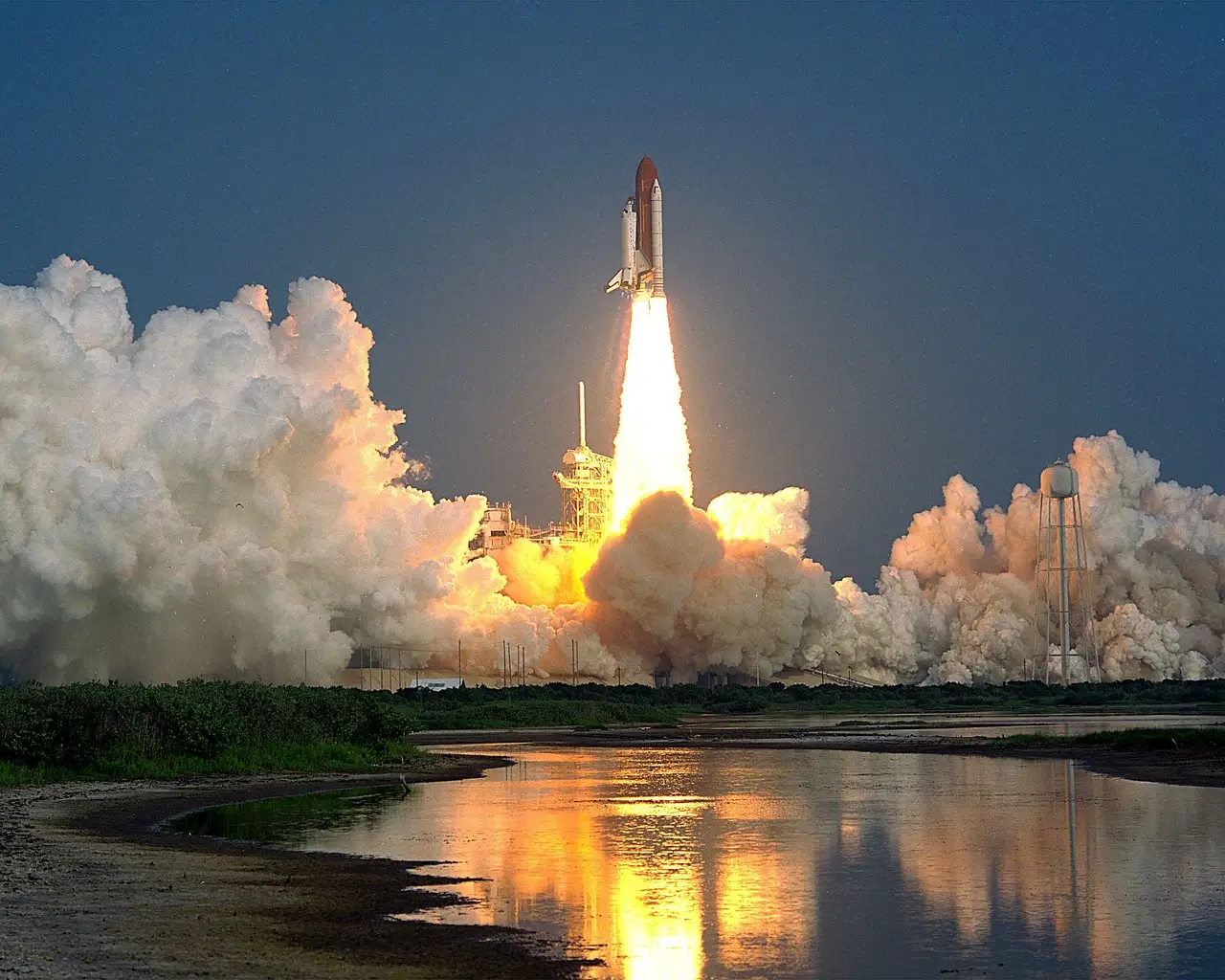
On Nov. 14, 2026, SpaceX caught Ship 42 with the mechanical chopsticks at Pad 2 in Starbase, Texas — the first time any company has recovered a Starship upper stage after a full orbital mission. The catch came at T+22:32:32, nearly 22 and a half hours after liftoff, and it means SpaceX has now recovered both stages of Starship across the program's lifespan, even if not yet on the same flight.
What happened on Flight 15?
Booster 22 and Ship 42 lifted off on Nov. 13 at 4:47:36 pm CST (22:47:36 UTC), after SpaceX received its launch license about four hours before the countdown. All 33 of the booster's Raptor engines ran until main engine cutoff, and stage separation went cleanly as Ship 42 lit all six of its engines.
Booster 22 then restarted all but one engine for a 32-engine boostback burn. But late in its glide back to the pad, the booster triggered an automated offshore divert. It finished its landing burn two miles offshore, and the flight termination system destroyed the vehicle. What was left of its liquid oxygen tank and methane transfer tube stuck out of the water for hours before sinking.
Nobody knows yet exactly why the divert happened. SpaceX CEO Elon Musk said on X that the Raptor engines may have underperformed, leaving the booster short on propellant. But he hedged: "As always, initial conclusions are often wrong to some degree. Full review of the flight telemetry is needed for high probability final conclusions."
Musk added that Booster 22 was an older model, and its loss shouldn't cause major delays — SpaceX is currently building at least one booster per month.
How did Ship 42's mission unfold?
Unlike Ships 39 and 41, Ship 42 didn't lose a single Raptor Vacuum engine during ascent. At T+00:26:07 it completed its orbital insertion burn, entering a 263 by 277 km orbit at 30.5 degrees inclination — nearly identical to Ship 41's orbit from Flight 14.
The ship then deployed all 26 Starlink V3 satellites, finishing at T+01:18:06. After coasting nearly six hours, it passed a second checkpoint past the Chile abort zone, then coasted another 13 hours. At T+20:27:40, Kate Tice announced teams had polled "Go" for a catch attempt at Pad 2. The deorbit burn came at T+21:35:56.
Reentry over land began at T+22:20:52. Ship 42 flew its dynamic banking maneuver around the Rio Grande Valley and South Padre Island at T+22:29:16, avoiding populated areas. It broke through the 7,000-foot cloud deck at T+22:32:07, flipped, and landed in the chopsticks 25 seconds later.
Lars Blackmore, SpaceX's Senior Principal Mars Landing Engineer, shouted on comms: "Starship has landed!" The moment echoed SN15's landing 2,019 days earlier after a suborbital hop.
What did the inspections find?
SpaceX rolled Ship 42 into Mega Bay 2 on Nov. 15. The ship showed aft-skirt damage from hot staging — a pattern seen on all four Block 3 flights — plus one missing heat-shield tile, which caused a brown streak of melted, oxidized steel down the shield. Closer inspection showed that any tile protruding slightly into the plasma stream can degrade neighboring tiles due to plasma ripples.
The catch itself left scrape marks where the chopsticks chewed chunks off the ablative coating. SpaceX's planned fix is a steel wool mesh that can survive reentry heat and stay strong during catches. A patch may have been tested on the inner face of the port-side aft flap during this flight.
Because Ship 42 wasn't left floating in the ocean for 30-plus days, engineers get their first fully clean orbital ship to study — a wealth of refurbishment data. Musk said the ship likely won't fly again; like Falcon 9 B1019 and Booster 12 before it, it'll probably go on display at the new Starship park.
What's next: Flight 16 and LC-39A
SpaceX may now fly Flight 16 with Booster 23 and Ship 43 from Starbase instead of Florida's LC-39A, pushing a 39A launch to at least February. Booster 23 is slated for a static fire in late November, with a flight possible just before Christmas. Ship 43 should static fire in mid-December and fly in January.
Booster 24 and Ship 44 would then take the first LC-39A flight. Both recently rolled out to Massey's for cryo-proof testing, and Ship 44 made the trip seven days faster than Ship 43 — a full week cut from post-stacking work.
The program's roadmap is now clear: catch a Block 3 booster, refly refurbished ships and boosters, and then fly Starship as often as possible to learn how the vehicles behave after five, 10, 20, or more flights.
via nasaspaceflight.com (Source)
More from Nathan Brooks
Show full bio
Market editor covering companies, deals and strategy in general science news at SciBeat.
563 articles
Nearby plates
- SpaceX Aims to Catch Both Starship Stages for the First Time
- Starship reaches orbit, but booster explosion ends SpaceX double-catch bid
- Starship Aims for First-Ever Catch After Booster Abort Marries Flight 15
- SpaceX Aims for First-Ever Orbiter Catch as Starship Flight 15 Launches
- SpaceX Catches Starship From Orbit for First Time in Texas