Plate Nº 59 · recorded November 17, 2026
Space & AstronomyReported finding
SpaceX completes Starship Flight 15 with first upper-stage catch
On Nov. 14, SpaceX caught Starship’s upper stage for the first time after nearly a day in orbit. Its Super Heavy booster diverted offshore, ending in an intentional explosion.
By Priya Raman4 min read823 words
In brief
- Nov. 14: SpaceX made the first tower catch of Starship's upper stage after a roughly 22-hour journey.
- Nov. 13: Flight 15 launched from Pad 2 at 5:47 p.m. EST using 33 Raptor 3 engines.
- T+2:21: Super Heavy separated from Ship about 40 miles (65 km) above Starbase.
- Ship deployed 26 upgraded Starlink Version 3 satellites in low Earth orbit.
- Ship spent nearly a full day and 14 orbits in space, clearing three checkpoints before the catch.
By Priya Raman
SpaceX completed the 15th test flight of Starship with the first successful catch of the rocket's upper stage on Nov. 14, a major step toward fully reusable spaceflight. Its Super Heavy booster did not complete the planned return.
At Starbase in South Texas, onlookers watched Ship descend through cloud cover on Nov. 14, then settle between the launch tower's chopstick-like arms. The vehicle swayed briefly before hanging motionless. SpaceX calls the upper stage Ship and the booster Super Heavy; together, the two vehicles form Starship.
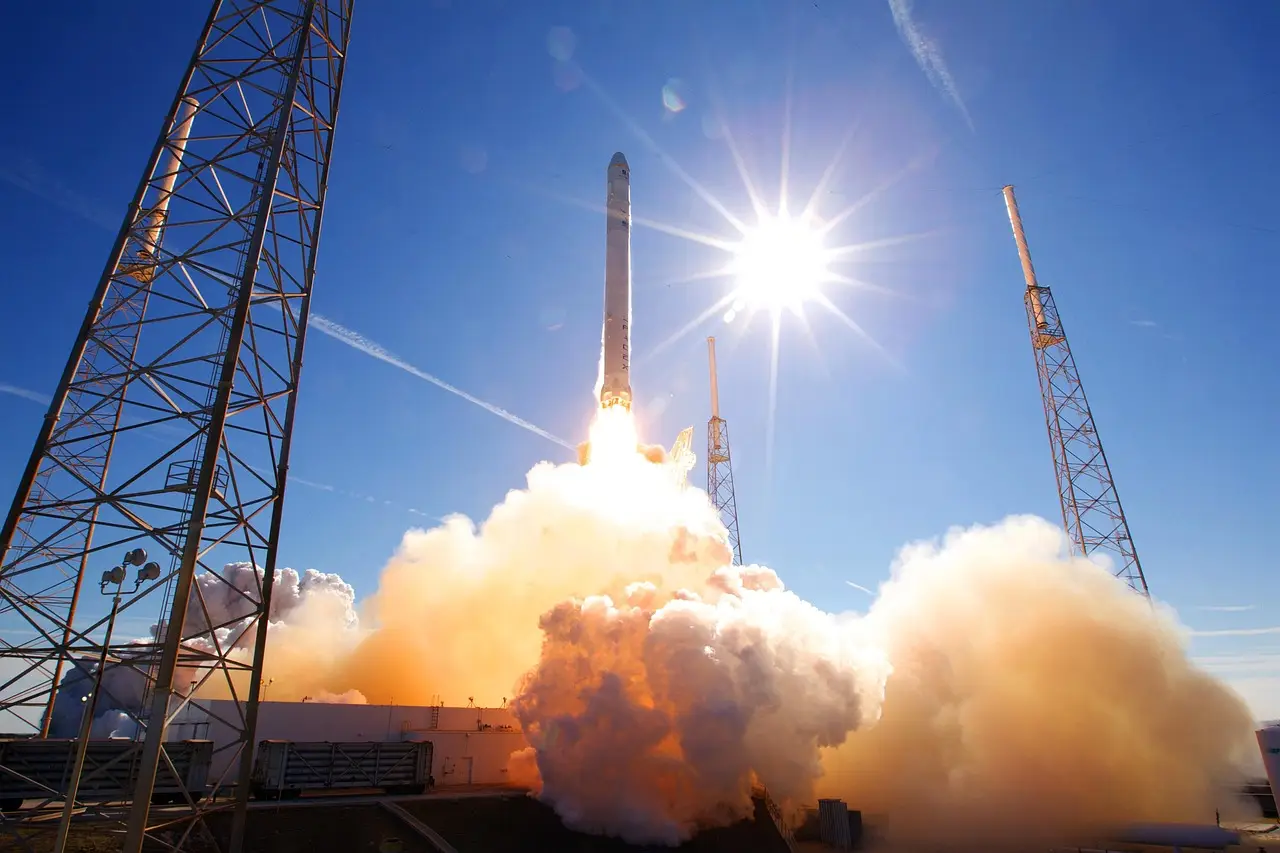
Space.com spaceflight staff writer and photographer Josh Dinner wrote: “We weren't prepared for how stunning some of these turned out.” His images document both the launch and the first tower catch.
What did Flight 15 demonstrate?
The mission was billed as the first Starship test to bring both stages back to the launch site for recovery. Ship returned to Starbase; Super Heavy diverted to the Gulf of Mexico.
Flight 15 lifted off from Pad 2 at 5:47 p.m. EST (22:47 GMT; 4:47 p.m. local time) on Friday, Nov. 13, beneath a blue sky with almost no clouds. The 33 Raptor 3 engines, the booster's propulsion units, generated more than 18 million pounds of thrust at liftoff. Visible shockwaves pulsed through the exhaust cloud leaving the flame trench beneath the pad.
The first two minutes proceeded normally, and clear Texas skies let people across miles see the ascent. At T+2:21, about 40 miles (65 kilometers) overhead, the rocket completed a hot-staging separation (the planned disconnect between the booster and upper stage).
Ship increased its thrust and continued toward space. Super Heavy turned around for a boostback burn (an engine burn to redirect it toward Starbase), but a low-fuel alarm prompted an automatic diversion to an offshore splashdown rather than a catch attempt.
Why did Super Heavy explode?
Super Heavy performed its landing burn above the Gulf of Mexico, shut down its engines briefly and then exploded. The detonation was intentional, triggered by the vehicle's flight termination system (a safety system that ends a flight by destroying the vehicle).
That outcome left Ship to complete the recovery. It survived a roughly 22-hour journey in orbit and returned through the atmosphere before reaching the tower at Starbase.
What happened during the orbital mission?
Ship entered low Earth orbit (an orbit close to Earth) and deployed 26 upgraded Starlink Version 3 satellites. This was the second V3 batch delivered during recent Starship flight tests. SpaceX said each batch added data capacity equivalent to 10 Falcon 9 launches carrying Starlink V2 satellites.
Flight 15 marked Starship's second mission to reach orbit and its longest to date. Ship spent nearly a full day circling Earth 14 times. During the flight, it cleared three decision checkpoints. At each, SpaceX could divert the vehicle to an ocean splashdown; after the third, the company approved the tower catch.
How did the tower catch work?
At approximately 4:18 p.m. EST (20:18 GMT; 3:18 p.m. local time in Texas) on Saturday, Nov. 14, Ship emerged through the clouds above Starbase, descending with its belly toward the ground. Onlookers watched the upper stage approach the tower.
Engines ignited for a flip-and-burn maneuver (an engine burn that turned the descending stage upright and redirected its path). The vehicle entered the grip of the tower's chopstick-like catching arms. SpaceX calls the structure “Mechazilla,” the nickname for the launch tower. The arms briefly swayed, then held Ship motionless.
How were the photographs made?
Space.com's Josh Dinner photographed the launch and return from the media viewing area with a Canon R5 Mark II mirrorless camera (a camera without a moving reflex mirror) and an RF 200-800mm lens. The setup produced sharp images from almost 4 miles away.
Space.com described the camera as one of the best available, citing its 45-megapixel sensor and strong high-ISO performance (good image quality at high light-sensitivity settings). The photo feature also directed readers to Space.com's in-depth review of the camera.
What remains to be learned?
Ship remained in the tower overnight while engineers and SpaceX CEO Elon Musk inspected it. On Sunday, Nov. 15, crews lowered the vehicle and moved it to Starbase's hanger bay for further examination. The checkouts will assess how the spacecraft held up through launch, nearly a day in orbit and atmospheric reentry (the passage back through the atmosphere).
SpaceX has not said whether Ship 42 will fly again. The inspection results will inform upcoming flights as the company ramps up production and expands Starship testing. The milestone does not yet establish routine reuse, because Super Heavy did not complete its recovery and SpaceX has set no date for another Ship flight.
Ship 42 now rests in the hangar; its next flight remains undecided.
via space.com (Source)
More from Priya Raman
Show full bio
Senior reporter covering people, launches and day-to-day practice in general science news at SciBeat.
476 articles
Nearby plates
- SpaceX Catches Starship With Tower 'Chopsticks' After 22-Hour Flight
- SpaceX Aims for First-Ever 'Chopsticks' Catch of Starship Upper Stage
- SpaceX Launches Starship Flight 15, Aborts Booster Catch, Eyes Historic Ship Return
- SpaceX Catches a Starship for the First Time — What Comes Next
- SpaceX Aims for First-Ever Double Catch of Starship's Two Stages