Plate Nº 45 · recorded November 17, 2026
Neuroscience & MindReported finding
Twin Study of 14,658 People: Art, Not Science, Links to Mental Illness
A twin study of 14,658 Swedes finds artistic achievement linked to more mental health problems, while scientific creativity shows no such link — and shared genes, not the work, may explain why.
By James Calloway4 min read873 words
In brief
- A study of 14,658 Swedish twins found artistic achievement linked to more mental health problems, while scientific creativity showed none.
- Most creativity–mental illness associations weakened or vanished when researchers compared identical twins directly, pointing to shared genes.
- DNA analyses tied genetic predisposition to bipolar disorder, schizophrenia and stress disorders to higher artistic achievement.
- Earlier Swedish research found writers more than twice as likely to have schizophrenia or bipolar disorder.
- The findings appeared in the journal Molecular Psychiatry.
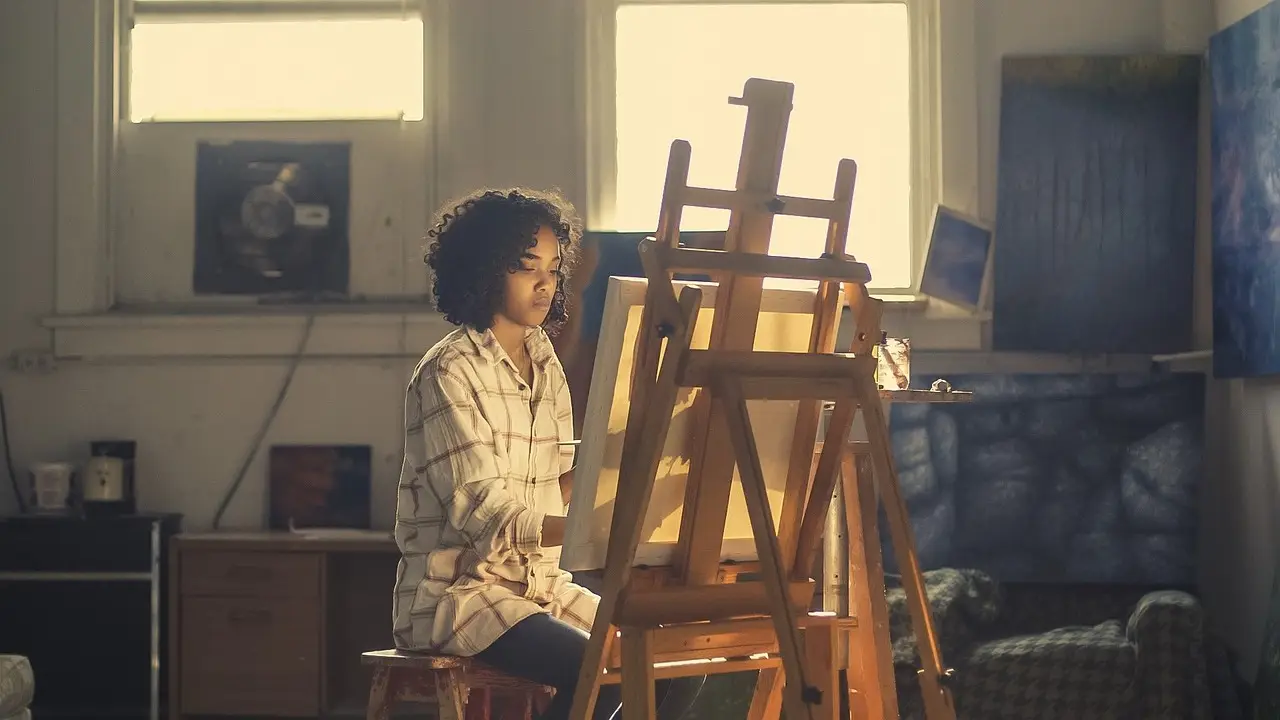
A study of 14,658 Swedish twins has found that artistic achievement tracks with more mental health problems, while scientific creativity shows no such link — and in technical workplaces, sometimes the opposite. The lead author's verdict is blunt: genes, not the easel, appear to carry the risk.
"We found higher artistic creativity to be associated with somewhat more mental health problems, and genes play an important role in this association," Penghao Xia of the Max Planck Institute for Empirical Aesthetics and Karolineska Institutet's collaborator group told Medical Xpress. The findings appeared in the journal Molecular Psychiatry.
History remembers tortured artists like Vincent van Gogh and Sylvia Plath, yet virtually nobody talks about the tortured physicist. Both painting and scientific discovery demand extraordinary creative resources. If creativity itself damaged mental health, scientists and painters should suffer equally. They don't.
What did the researchers actually measure?
Xia's team drew on two survey rounds conducted roughly a decade apart. In all, 14,658 twins took part at least once, and 6,419 completed both rounds. Participants reported their achievements in music, writing, theater, dance, visual art, science and invention. The researchers also examined occupations, personality traits and mental health, checked psychiatric diagnoses in Swedish health records, and, in the second survey, tested creative thinking by asking participants to produce ten words as unrelated in meaning as possible.
One early finding complicates the tidy idea of a single "creative mind." Different measures of creativity often had surprisingly little in common. Being imaginative or open to new experiences didn't necessarily translate into scientific or artistic achievement.
That's the crux. Not all creativity is the same. Solving a hard engineering problem requires different lateral thinking than a painter breaking the mold with a genuinely fresh artwork.
What did the numbers show?
Participants with greater achievement in music, writing, dance, theater and visual art reported more depressive symptoms and psychosis-like experiences, such as unusual perceptions or beliefs. Higher artistic achievement also raised the likelihood of later receiving a diagnosis of schizophrenia, anxiety, or a stress-related disorder.
The pattern flipped for science. People reporting achievements in science and invention generally showed no significant increase in psychiatric problems. Some workplace creativity measures, especially in scientific and technical professions, actually linked to fewer mental health difficulties.
Why the difference? The researchers suggest scientific workplaces — demanding schedules, intense competition, pressure to perform — may be less accommodating of people with psychiatric difficulties. Those who cope better might be more likely to enter and stay in science. Intriguing, yes. But still speculative. There's no data backing it up yet, and the study says so itself.
Why do identical twins change the picture?
Here's the study's sharpest test. Was artistic work somehow causing mental illness, or were vulnerable people simply more drawn to art? To separate the two, researchers compared identical twins, who share virtually all their genes and much of their upbringing. If one twin was more artistically accomplished, did she also have more mental health problems?
For the most part, no. Most associations weakened or disappeared statistically in direct twin comparisons. Something in the twins' shared background, particularly their genes, seems to explain the connection.
DNA analyses backed this up. People with a greater genetic predisposition to bipolar disorder, schizophrenia, or stress-related disorders also tended to report higher artistic achievement. Genetic influences tied to scientific and technical occupations often showed the opposite relationship with mental health problems.
In plain English: artistic creativity may not come at the cost of mental health. Some of the same inherited traits may simply influence both.
How does this fit earlier research?
The tortured-artist question has a research history, and it's messier than the stereotype.
- A 2013 Swedish study of nearly 1.2 million psychiatric patients found people in creative professions — artists and scientists alike — were no more likely than the general population to have psychiatric disorders, except for bipolar disorder. Writers stood out: authors were more than twice as likely to have schizophrenia or bipolar disorder, with higher rates of depression, anxiety and substance abuse.
- A 2018 analysis covering 4.45 million Swedes found people who studied artistic subjects at university had 90% higher odds of later hospitalization for schizophrenia, 62% higher odds for bipolar disorder, and 39% higher odds for depression.
- A 2015 genetic study found people with an inherited predisposition to schizophrenia or bipolar disorder were more likely to work in creative professions or join artistic societies — even without having either disorder themselves.
And if you're wondering whether making art worsens underlying conditions, the evidence points the other way. A World Health Organization review covering more than 3,000 studies found engagement with the arts can support health and well-being.
What does this change for artists?
Not much day to day — and that's the point. The tortured artist may be more than a cultural cliché, but the new evidence suggests mental health problems are neither a prerequisite for creativity nor the price of producing something extraordinary. The risk, where it exists, appears written in inherited biology, not in the work itself. Caveats remain: self-reported achievements, a twin-heavy sample, and a speculative workplace explanation that future studies must test.
via zmescience.com (Source)
More from James Calloway
Show full bio
Staff writer covering regulation, policy and their impact on general science news at SciBeat.
474 articles
Nearby plates
- Swedish Twin Study Suggests Screen Time's Mental Health Link May Be Overstated
- Genes' Grip on IQ Changes With Age, Study of 6,495 Kids Finds
- Genes for Curiosity Separate Working German Shepherds From Show Dogs
- Toddler temperament linked to common DNA variations in study of 78,894 children
- Neanderthal Gene Variant Still Shapes Human Brains Today