Recorded November 24, 2026
Reported finding
3,400-Year-Old Trash Heap Reveals Egypt's Sun God Curse Was Everyday Magic
Charred papyrus fragments from 3,400-year-old refuse piles at Thebes show the Apophis curse ritual was 1,000 years older and far more common than experts believed.
By Priya Raman3 min read660 words
In brief
- 40 charred papyrus fragments were recovered from 3,400-year-old trash piles at Thebes.
- The Apophis ritual is roughly 1,000 years older than its only previously known manual from the late fourth century BCE.
- Fragments show the ritual was performed by non-priests, including scribes acting as magicians and healers.
- The ritual required practitioners to step on, stab, spit on, and burn the written spell.
- The study was published in the Journal of the Egyptian Language and Antiquities.
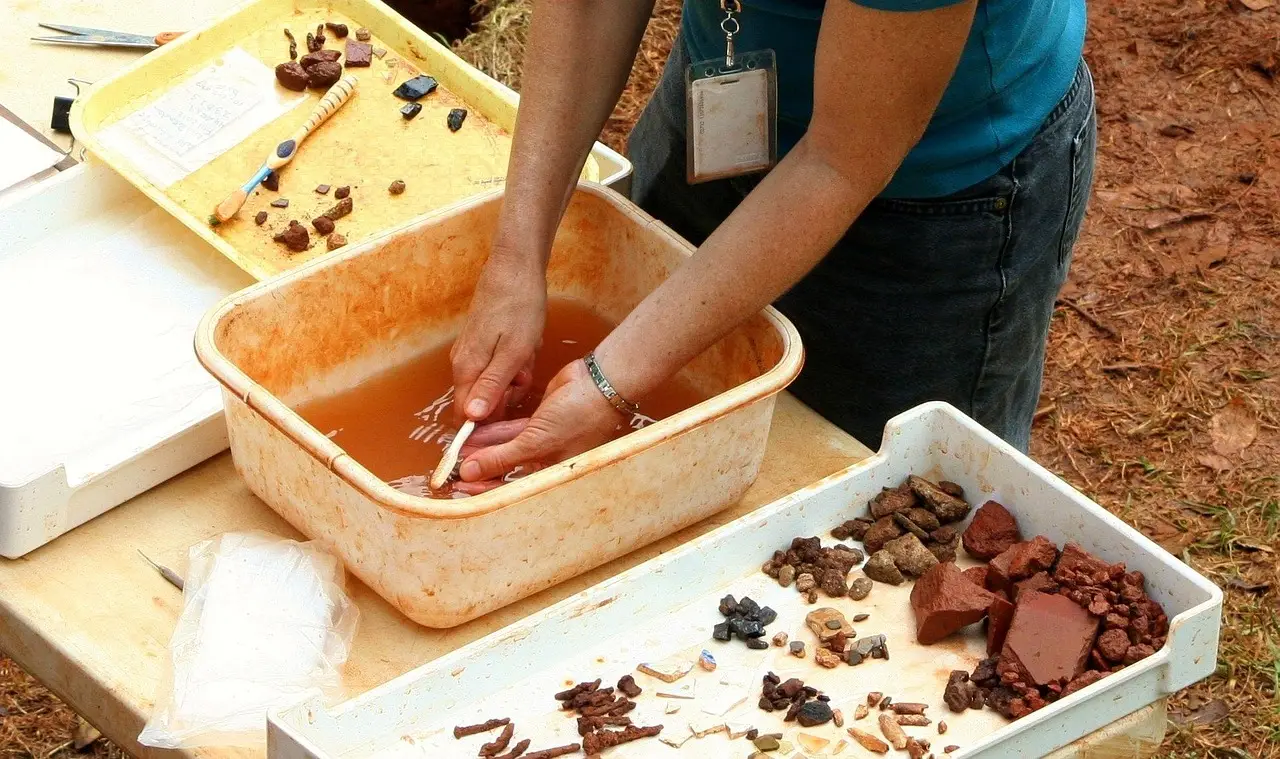
A 3,400-year-old trash pile has overturned what historians believed about one of ancient Egypt's best-known curses. According to a study published in the Journal of the Egyptian Language and Antiquities, archaeologists recovered 40 charred papyrus fragments from temple ruins at Thebes that prove the so-called Apophis ritual is roughly 1,000 years older than previously documented — and far more widely used.
The evidence did not come from an excavated spellbook. The fragments, some no larger than a postage stamp, were left in ancient refuse heaps and pieced together by researchers, including study co-author Fredrik Hagen, an Egyptologist at the University of Copenhagen.
What did the Apophis ritual do?
Egyptian priests originally designed the spell to help Ra, the sun god, in his struggle against Apophis, the serpent god of chaos, fire, and darkness. In Egyptian belief, Apophis threatened the ordered world each night, and the ritual invoked the sun god's wrath against the forces of disorder. Over time, practitioners adapted the same incantation to new purposes: cursing the pharaoh's enemies and countering troubles associated with the serpent, such as bad weather and poisons.
Before this discovery, the only surviving documentation of the Apophis ritual was a ritual manual from the late fourth century BCE. That lone text led researchers to two assumptions, both of which the new fragments now challenge.
How much older is the ritual?
About a millennium, it turns out.
"They show that the ritual was much older than the one surviving copy from the fourth century [BCE] might suggest," Hagen said in a statement. "Already 1,000 years earlier, during what we call the New Kingdom, it was an integrated part of Egyptian culture."
The New Kingdom, the era of Egyptian history that included rulers such as Tutankhamun and Ramesses II, ran roughly from 1550 to 1070 BCE. The fragments place the ritual firmly within that period, long before the only previously known manual was written.
Who actually used the curse?
Hagen and his colleagues had initially assumed the ritual belonged to priests alone. The Thebes fragments, together with contextual references to the Apophis incantation elsewhere in the record, indicate otherwise. Hagen described the ritual as a "common feature" of daily life in ancient Egypt.
Literate Egyptians who were not priests, he explained, also had access to magical rituals and worked as magicians and healers. "It is clear that people approached scribes for help in performing magic, both for protection and for attacking others," Hagen said. In other words, the sun god's curse was not a closely guarded temple secret but a service that ordinary Egyptians could seek out — for defense or for harm.
Why do any fragments survive at all?
The survival of the remnants is itself a small miracle, given what the ritual demanded. Burning the written spell was only the final step in a prescribed sequence of destruction. Before the fire, practitioners stepped on the papyrus, stabbed it with a knife or other sharp object, and even spat on it. The recovered fragments bear visible traces of both burning and stabbing.
The fragments therefore represent ritual debris — the deliberately destroyed leftovers of completed curses, discarded alongside other waste near the temple complex.
"For the ritual to be successful, the materials had to be destroyed by fire, so we are extremely fortunate to have found any of them in a condition that still allows them to be recognized and studied," Hagen said.
What are the study's limits?
The findings rest on 40 damaged fragments from a single site, so the picture of how widely the ritual spread across Egypt may sharpen as more material surfaces. Still, the evidence from Thebes is enough to redraw the basic outline of the practice: the Apophis ritual predates its only known manual by a thousand years, and its users extended well beyond the priesthood.
A curse meant to be burned has, against all odds, survived in the trash.
via popsci.com (Source)
More from Priya Raman
Show full bio
Senior reporter covering people, launches and day-to-day practice in general science news at SciBeat.
574 articles
Nearby plates
- More than half of 131 Egyptian cat skulls showed disease or injury
- Skull Fractures Back Theory of Sacrifice at Egypt's First Royal Tombs
- Keepsakes May Date Back Half a Million Years, Study Claims
- Half a Million Years Ago, Humans May Have Kept Souvenirs
- A 3,200-Year-Old Eclipse May Recalibrate the Reign of Ramesses the Great