Plate Nº 30 · recorded November 12, 2026
Biology & EvolutionReported finding
Jurassic Park Beats Jaws: Movie Time Drives Dinosaur Fame, Study Finds
Screen time outweighs teeth and size: a Biology Letters study of 323 dinosaur genera and ten years of Wikipedia data shows Jurassic Park drives dinosaur fame — and offers conservation a lesson.
By Elena Vasquez3 min read597 words
In brief
- Researchers analyzed 323 dinosaur genera and Wikipedia pageviews from July 2015 to July 2025.
- Appearing in the Jurassic Park franchise was the strongest predictor of public interest, beating size and diet.
- Tyrannosaurus, Triceratops and Stegosaurus were already famous before the first Jurassic Park film in 1993.
- Larger, meat-eating dinosaurs and those described earlier attracted more online interest.
- The study, led by Pâmela Lima, appears in Biology Letters (2026), DOI: 10.1098/rsbl.2026.0425.
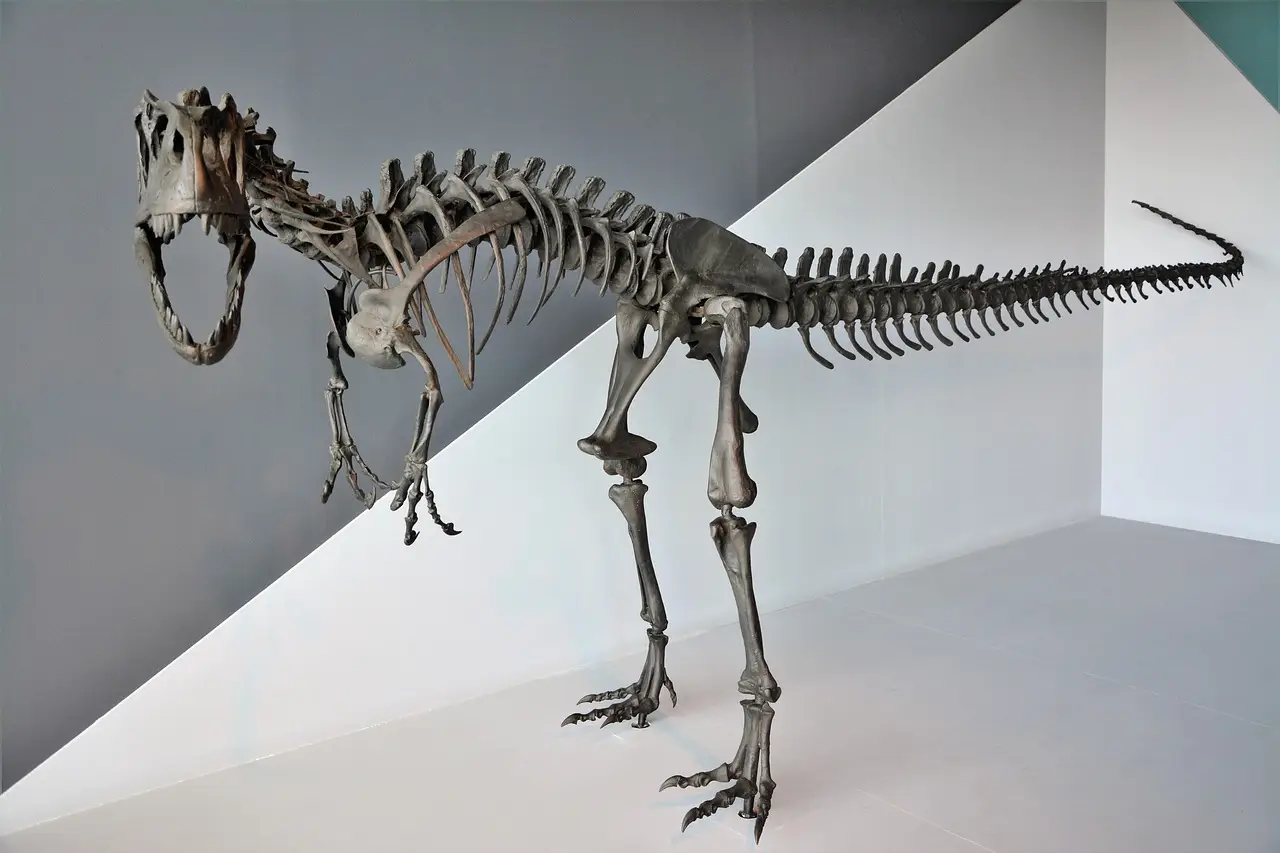
A cameo in a Jurassic Park movie predicts a dinosaur's fame far better than any biological trait. That's the headline result of a new study published in Biology Letters, which analyzed 323 dinosaur genera and a decade of Wikipedia traffic to work out why some prehistoric animals are household names while others stay obscure.
Ask anyone to name a dinosaur. Most will say Tyrannosaurus rex, the predator with enormous jaws and razor-sharp teeth. Almost nobody mentions Iguanodon or Plateosaurus. Pâmela Lima of the Federal University of Alagoas in Brazil and her colleagues wanted to know why: does fame come from biology, or from popular culture?
How do you measure a dinosaur's popularity?
The team built a dataset covering 323 genera — groups of closely related species. For each one, they recorded:
- Body size
- Diet
- When the dinosaur lived
- When it was first scientifically described
- Whether it appeared in the Jurassic Park movie franchise
Then they pulled Wikipedia pageview counts for all of these dinosaurs, across every available language, from July 2015 to July 2025. A statistical model sorted out which factors tracked public interest most closely.
The result was lopsided. Screen time won.
What did the 'blockbuster effect' reveal?
Appearing in Jurassic Park films was by far the strongest predictor of online interest, dwarfing the influence of size and diet. The Hollywood connection mattered more than anything the animals' own bodies could offer.
But the researchers added an important caveat. Tyrannosaurus, Triceratops and Stegosaurus were already familiar to the public long before the first Jurassic Park film arrived in 1993. The franchise didn't invent their celebrity.
As the study puts it: "Jurassic Park did not create their cultural visibility; rather, it amplified and updated preexisting paleo-iconographic traditions."
In plain words: the movies poured fuel on a fire that was already burning.
Do biology and history matter at all?
They do, just less. Larger, meat-eating dinosaurs drew more attention than smaller plant-eaters. Timing of scientific description counted too — dinosaurs named earlier tend to attract more interest, possibly because they've had longer to settle into the public imagination.
So the recipe for dinosaur stardom runs roughly: big, carnivorous, discovered early, and given a starring role on screen. Miss the last ingredient, and even impressive animals stay in the shadows.
The study carries limits worth noting. Wikipedia pageviews measure online curiosity, not the full spectrum of public awareness, and the sample covers 323 genera out of the hundreds known to science. The findings describe statistical associations rather than proof of cause and effect. Still, the pattern across ten years of multilingual data is hard to ignore.
Why does this matter for animals alive today?
The researchers see a lesson here that reaches beyond paleontology, and they say conservationists should take it. Lesser-known living species — the ones nobody posts about — could borrow the same machinery that made dinosaurs culturally enormous.
"We cannot alter the biological traits of a threatened amphibian or insect to make them larger or more dangerous," the team writes. "We can, however, adapt the mechanisms that make dinosaurs culturally ubiquitous."
That's the study's sharpest takeaway: fame is partly manufactured, and the manufacturing process can be copied. Compelling storytelling and media exposure could raise awareness of overlooked threatened species and build public support for protecting them.
A dinosaur's jaw size is fixed. Its cultural footprint isn't.
The study: Pâmela Lima et al., "Teeth, size or screen time? How media and biological traits shape public interest in dinosaurs," Biology Letters (2026). DOI: 10.1098/rsbl.2026.0425.
via phys.org/rss-feed/ (Source)
More from Elena Vasquez
Show full bio
Correspondent covering money, funding and market shifts around general science news at SciBeat.
384 articles
Nearby plates
- 240-Million-Year-Old Tanzania Fossil Reshapes Dinosaur Timeline
- Giant 20-meter dinosaur found at Brazilian construction site
- 210-Million-Year-Old Dinosaur From Zimbabwe Rewrites Africa's Map
- Dinosaur Blood Traces Found in 115-Million-Year-Old Bone
- Study backs a mostly underwater life for giant Spinosaurus