Recorded November 9, 2026
Space & AstronomyReported finding
NASA Opens Astronaut Applications for First Time in Two Years
NASA has opened astronaut applications for the first time in two years, seeking its 25th class — bound for the ISS, lunar surface and Artemis missions — with a 3 December 2026 deadline.
By James Calloway3 min read677 words
In brief
- Applications for NASA's 25th astronaut class are open until 3 December 2026, with selection expected in late 2027.
- Only 370 people have been selected as NASA astronaut candidates since the Mercury 7 in 1959.
- Applicants must be US citizens with a master's degree in a STEM field, or qualifying substitutes such as test pilot school.
- The 24th class, announced in 2025, had ten candidates — the first NASA class where women outnumbered men.
- Administrator Jared Isaacman has said he may extend ISS operations beyond 2030 if no commercial replacement is ready.
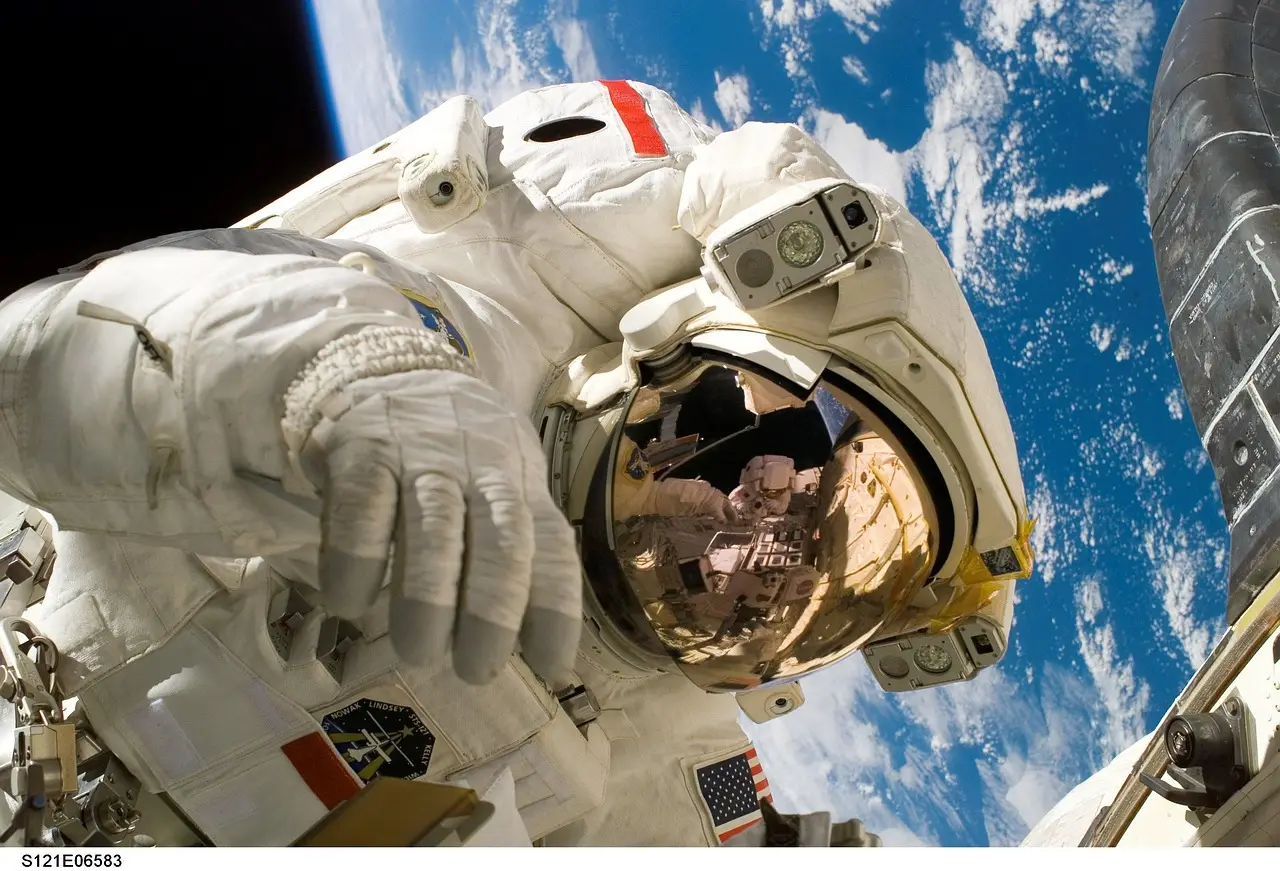
Only 370 people have been picked as NASA astronaut candidates since 1959, and the agency has just announced it wants a few more. Applications for NASA's 25th astronaut class opened this week, announced at the Max Power event at the Kennedy Space Center, and will stay open until 3 December 2026. Selection is expected in late 2027.
That is a long wait. It is also, by NASA's own framing, one of its most consequential classes yet, because the new recruits will train for three very different destinations: low Earth orbit, the lunar surface, and future Artemis missions. Whether Artemis timelines hold is, as ever, an open question. The agency says the astronauts will be prepared to fly on lunar missions anyway.
What are the actual requirements?
The bar is high, and NASA spells it out plainly:
- US citizenship
- A master's degree in a STEM field
- At least three years of related professional experience after that degree, OR at least 1,000 hours of pilot-in-command time, of which at least 850 hours must be in high-performance jet aircraft
- Passing the NASA long-duration spaceflight astronaut physical
There is fine print worth knowing. The master's degree requirement can be substituted with two years of work toward a STEM doctorate, a completed medical degree, or graduation from an accredited test pilot school programme. Applications go through the listing on USAJobs.gov — no other route exists.
Who came before Class 25?
The most recent class, NASA's 24th, was announced in 2025 and numbered just ten candidates. It also marked a first: women outnumbered men in a NASA astronaut class. The odds, in other words, remain brutally selective, and nothing in the new announcement suggests Class 25 will be bigger.
Tradition gives each class a nickname chosen by the previous one. Astronaut Class 23 named the 2025 group the "Platypi." Nobody yet knows what Class 25 will be called. That detail lands with the selection in late 2027.
One of the Platypi, Dr Anna Menon, carries her own distinction: she became the first NASA astronaut candidate who had already flown to space on a commercial mission, Polaris Dawn, before joining the corps. "I pinched myself when I found out that I got to join this class and get to return to the team here at NASA," Menon said in a January 2026 interview with NASASpaceFlight.com after her selection.
Why does NASA need more astronauts now?
The agency's crew pipeline has to cover a widening set of destinations. NASA will keep sending astronauts to the International Space Station and, eventually, to future commercial stations — all of which need crews. Beyond that sits the plan for a crewed base on the lunar surface.
There is a wrinkle. The application call follows comments from NASA Administrator Jared Isaacman on NASASpaceFlight.com's The Flame Trench that he is considering extending the life of the ISS beyond 2030 if a commercial replacement is not ready in time. So the destinations these recruits train for may shift; the need for people to staff them, NASA argues, does not.
What does this change for would-be applicants?
Practically: a deadline and a checklist. If you hold US citizenship, the right degree — or an acceptable substitute — the experience or jet hours, and a body that passes NASA's long-duration physical, you have until 3 December 2026 to file on USAJobs.gov. Everyone else gets a two-year-plus wait for the next window, assuming the cadence holds.
Menon's advice to those weighing an application is less procedural. "Pay attention to what you love and what you are good at and pursue that with a vengeance because what I have found is that when you do that, things tend to fall into place," she said. "You tend to be most productive and fulfilled and able to contribute to the world around you in wherever life leads you."
Sound counsel, certainly. But keep the arithmetic in view: 370 candidates chosen in 66 years. Passion helps. The odds stay long.
via nasaspaceflight.com (Source)
More from James Calloway
Show full bio
Staff writer covering regulation, policy and their impact on general science news at SciBeat.
596 articles
Nearby plates
- NASA Targets 2028 Moon Landing With Overhauled Artemis Plan
- NASA Reworks Moon Lander Plans for 2028 Crewed Landing
- Artemis III Will Rehearse Moon Landings in Earth Orbit in 2027
- NASA Picks Three New Payload Suites to Scout Its Future Moon Base
- Artemis Accords Reach 76 Nations as Four More Countries Sign