Plate Nº 84 · recorded November 14, 2026
Biology & EvolutionReported finding
One in 10 Reptile Species Can't Live Without Rocks — and We're Crushing Them
A global study finds over 1,000 reptile species — 10% of all reptiles — depend entirely on rocky habitats, yet these areas are largely missing from conservation frameworks.
By Nathan Brooks4 min read733 words
In brief
- Over 1,000 reptile species (about 10% of all reptiles) completely depend on rocky habitats for survival.
- More than a quarter of the world's terrestrial reptiles use rocky habitats, per the study in Conservation Letters (2026).
- Rock-dependent reptiles have ranges 68% smaller on average and are 51% more likely to be critically endangered.
- Australian rock-crushing machinery can destroy up to one hectare (2.5 acres) of rocky habitat per hour.
- Restored rocky areas on farms supported more reptile species within one year, earlier research found.
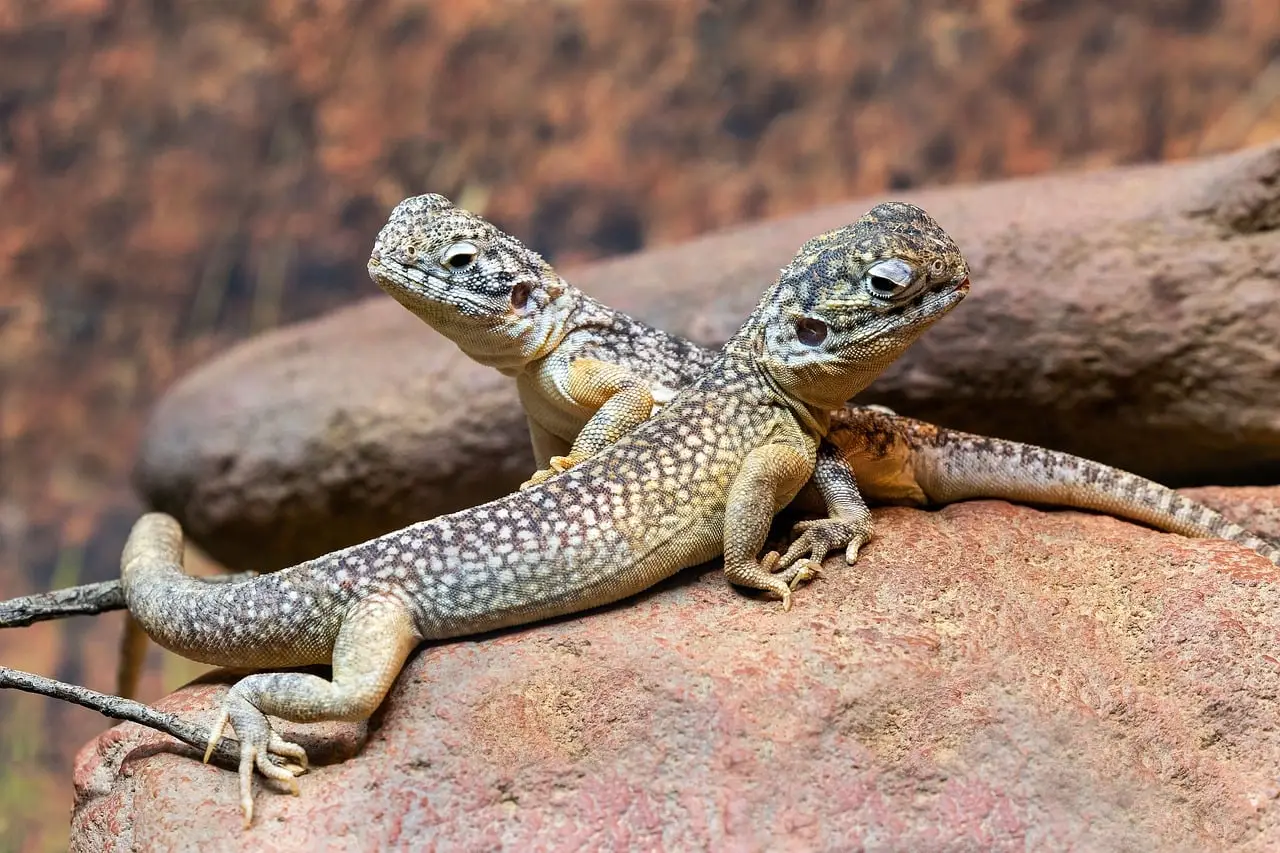
More than 1,000 reptile species — roughly 10% of all reptiles on Earth — depend entirely on rocky habitats to survive, according to a new global study published in Conservation Letters in 2026. That's the headline finding of what the authors describe as the first attempt to measure, worldwide, just how important rocks are to snakes, lizards and worm-lizards.
The numbers get starker from there. Over a quarter of the world's terrestrial reptiles use rocky habitats in some way, the researchers found after reviewing data from the International Union for Conservation of Nature (IUCN). And rock-dependent species face a double disadvantage: their geographic ranges are 68% smaller on average than those of reptiles that don't need rocks, and they're 51% more likely to be classified as critically endangered.
Why do reptiles need rocks so badly?
Ask any reptile enthusiast where to find a cold-blooded creature, and they'll likely point to a rocky outcrop. Sun-warmed boulders let reptiles regulate their body temperature, since — being cold-blooded — they can't generate their own heat the way mammals do. Crevices and loose surface rocks offer shelter from predators and harsh winters.
Rocks also serve as nurseries and pantries. Reptiles socialize, lay eggs and hunt for food around them. Without rocky habitats, many species would struggle to survive, and the researchers warn that wider ecosystems could be put at risk of collapse.
One example is the pink-tailed worm-lizard (Aprasia parapulchella), one of the worm-like reptiles included in the analysis. Another is the critically endangered Emirai leaf-toed gecko (Asaccus caudivolvulus) — formally the Emirati leaf-toed gecko — whose last known isolated rock formation in the United Arab Emirates is threatened by rapid urban development.
What's destroying these habitats?
Rocky ground exists on every continent, from cliff faces to outcrops to fields scattered with loose stones. It might look indestructible compared with a forest. It isn't. Once damaged or destroyed, rocky habitats can take centuries — or even millennia — to reform.
The pressures are concrete and growing:
- Mining, quarrying and urbanization destroy rocky areas outright, as with the Emirati gecko's shrinking habitat.
- Rock crushing uses specialized machinery to grind boulder fields into farmland. In Australia, new equipment can clear and crush surface rocks at up to one hectare (2.5 acres) per hour.
- These crushing methods are increasingly common in agricultural areas of Western Australia, South Australia and western Victoria, where they threaten the habitat of several threatened reptile species.
The backdrop makes this urgent: one in five reptile species worldwide is already at risk of extinction, and habitat loss is the most pressing threat to reptile populations globally.
Why aren't rocky habitats protected?
Here's the policy gap the study exposes: rocky habitats are often overlooked in conservation plans, including the IUCN's own habitat classification system — the framework used to categorize where species live and what needs protecting.
The researchers found more than twice as many reptiles live in rocky areas as current classifications capture. Without formal recognition, these habitats are far less likely to be prioritized for conservation funding and legal protection.
There's also a scientific blind spot. Because rocky areas are rarely monitored or managed, scientists don't actually know how quickly they're disappearing. And rock habitats matter beyond reptiles: as the world warms, the authors note, they'll serve as crucial climate refuges, shielding animals from drought and extreme temperatures.
Can damaged rocky habitat be restored?
Partly, yes — and faster than you might expect. The team's earlier research on Australian farms found that putting surface rocks back into cleared landscapes pays off quickly. Within a single year, restored rocky patches supported more reptiles and a greater diversity of species than areas left without added rock.
There's a final reason to act. New rock-dependent species are being discovered constantly, so protecting these landscapes guards not just the reptiles we know about, but the ones we haven't found yet.
The study, led by Jackie L. O'Sullivan and colleagues, appears in Conservation Letters (2026), DOI: 10.1111/con4.70096. It's an observational analysis rather than experimental work, so its extinction-risk figures describe associations rather than proven cause and effect — but the pattern it documents spans the entire reptile family tree, from worm-lizards to geckos to snakes that independently adapted to life on stone.
via phys.org/rss-feed/ (Source)
More from Nathan Brooks
Show full bio
Market editor covering companies, deals and strategy in general science news at SciBeat.
365 articles
Nearby plates
- 70 Million Reptile Skins, Fewer Than 50 Species: Trade No Top Threat
- Bigger Day-Night Temperature Swings Mean Bigger Amphibian Fevers
- Study backs a mostly underwater life for giant Spinosaurus
- Armored amphibian fossils show a life far from freshwater
- Green turtles rebound to 'least concern' amid steep global wildlife declines