Plate Nº 24 · recorded November 17, 2026
Space & AstronomyReported finding
Rocket Lab Hikes Neutron Launch Price to $70 Million
Rocket Lab raised Neutron's price from $55M to $70M for a rocket debuting in 2027. Its first 16 launches are sold out as SpaceX's Falcon 9 retirement looms.
By James Calloway4 min read840 words
In brief
- Rocket Lab raised the Neutron launch price from $55 million to $70 million, an increase of more than 25%.
- Neutron's first 16 launches are sold out; the rocket is now set to debut in 2027 after years of delays.
- Rocket Lab booked eight Neutron launches in Q3 2026 worth roughly $515 million total.
- SpaceX plans to retire Falcon 9 around 2028; the rocket flew 165 successful missions in 2025.
- SpaceX's Starlink V3 constellation may require about 1,700 Starship launches to build.
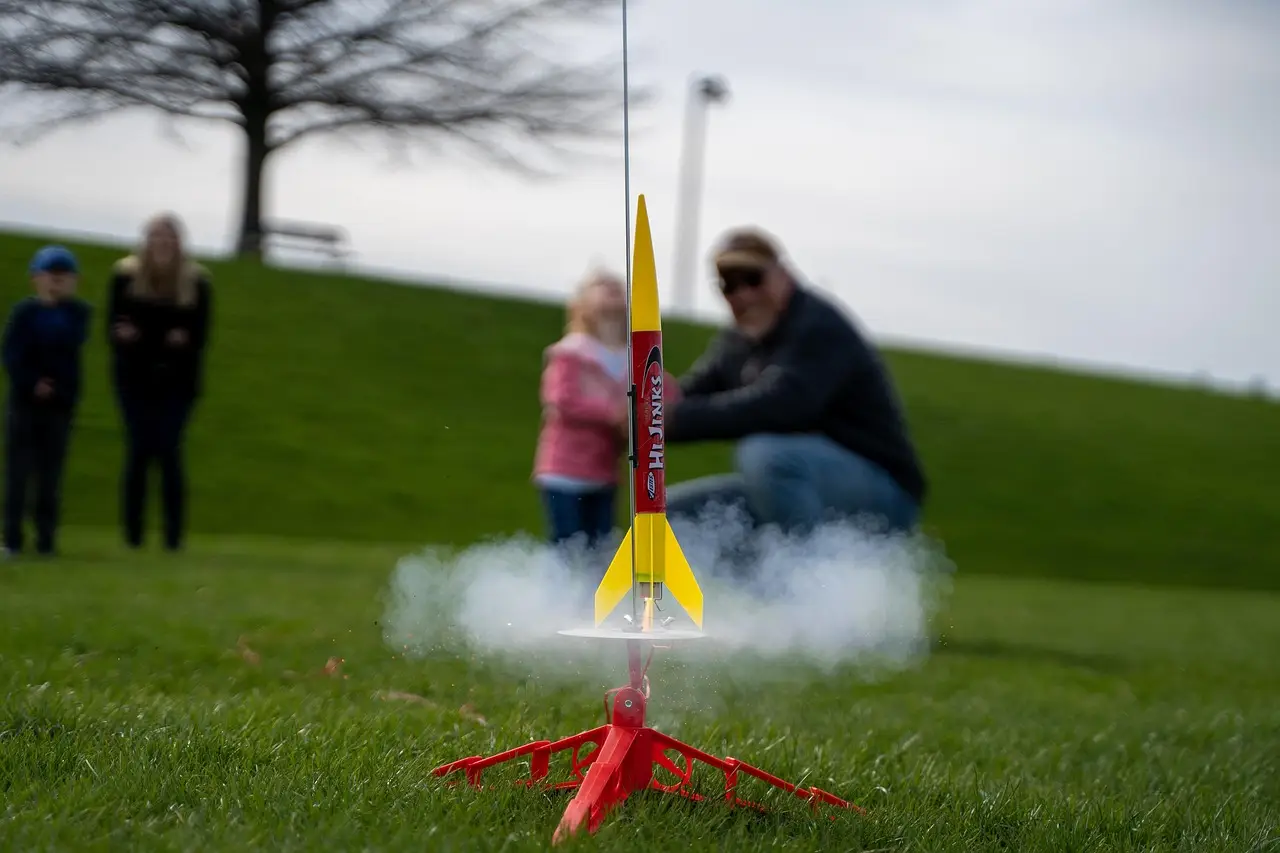
Rocket Lab has raised the price of a Neutron launch from $55 million to $70 million — a jump of more than 25% for a rocket that has never left the ground and won't debut until 2027. The company announced the increase on Monday, Nov. 9, and customers apparently aren't blinking.
"Launch is extremely constrained, and that is exactly the situation we predicted," founder and CEO Peter Beck said during the company's third-quarter earnings call on Monday. "We saw a pent-up launch market on the horizon, and rather than provide early discounted launches, we set out to deliver a rocket into an environment with extreme demand at full price or higher."
Bold words. But the sales figures back them up.
How many launches has Rocket Lab sold?
Eight. During the third quarter of 2026, which ran from July 1 through Sept. 30, Rocket Lab booked eight Neutron launches, Beck revealed on the call. Those contracts are worth "a total of roughly $515 million, including multiple missions on a new escalated base price of $70 million," he said.
Neutron's first 16 launches are now sold out. Anything booked from here on is for flights in the 2030s.
That's a striking vote of confidence in a vehicle with a rocky track record on schedules. Rocket Lab announced Neutron in 2021 and originally targeted a 2024 debut. Problems piled up over the years. Just last month, the company pushed the first flight from late 2026 into 2027 because of a manufacturing issue — one the company says is now under control.
What is Neutron, exactly?
Neutron is Rocket Lab's entry into the medium-lift market, a big step up from the company's current workhorse. The specs:
- 141 feet (43 meters) tall
- Reusable first stage
- 14.3 tons (13 metric tons) of payload to low Earth orbit — the region a few hundred kilometers up where most satellites operate
For comparison, Rocket Lab's Electron debuted in 2017 and has flown 90 orbital missions. But Electron is small: 59 feet (18 m) tall, expendable, and capable of hauling just 660 pounds (300 kg) to orbit.
Why is demand so high for an unflown rocket?
The answer comes down to a single company's plans: SpaceX intends to retire its Falcon 9 rocket around 2028, along with the heavy-lift Falcon Heavy, shifting all launch work to its fully reusable Starship megarocket.
That's a problem for everyone else. Falcon 9 currently costs $74 million per launch, has a reusable first stage, and carries about 25 tons (22.7 metric tons) to orbit. It has been the world's most prolific rocket for several years. In 2025 alone it flew 165 times — roughly the same number of orbital missions as every other launcher on Earth combined. All 165 flights succeeded.
Starship can haul more than 100 tons to orbit. Impressive, yes. But raw capacity isn't the issue — access is.
SpaceX has made clear that early Starship operations will focus on internal priorities: building out its Starlink V3 broadband network and its Starmind AI data-center constellation. Those are enormous jobs in themselves. According to SpaceX founder and CEO Elon Musk, Starlink V3 will consist of about 100,000 satellites. Starship carries roughly 60 of them per launch, meaning the constellation alone will need about 1,700 liftoffs.
Starmind's numbers are even more staggering: SpaceX wants that constellation to eventually host a million satellites.
So outside customers — companies, agencies, anyone needing a ride to orbit — face a shrinking menu. Hence the bottleneck, and hence Rocket Lab's pricing power.
"The demand is a function of both a tightening global launch supply and our customers' confidence that Rocket Lab is the right partner to break the world's launch bottleneck," Beck said.
What does this change for small-satellite operators?
Quite a lot, potentially. Many small-satellite operators have launched with SpaceX over the years, booking spots on Falcon 9 "rideshare" flights. Those opportunities are drying up as Falcon 9 heads toward retirement.
"The next logical alternative is of course an Electron, so we see tremendous traction there," Beck said. The coming squeeze should lift demand for Electron as well as Neutron.
The caveats worth keeping in mind
A healthy dose of skepticism is in order. Neutron has slipped from 2024 to 2027 — three years of delays — and the latest slip happened only weeks ago. Rockets have a habit of missing debut dates, and a manufacturing issue described as "under control" is not the same as a manufacturing issue that's solved. The eight new contracts and the sold-out first 16 launches all rest on a vehicle that has yet to demonstrate a single flight.
The market logic, though, is sound. If Falcon 9 retires on schedule and Starship's early capacity goes to Starlink and Starmind, someone will need to fill the gap. Rocket Lab is betting $70 million a ride that it will be that someone. The customers, it seems, are betting right along with them.
via space.com (Source)
More from James Calloway
Show full bio
Staff writer covering regulation, policy and their impact on general science news at SciBeat.
473 articles
Nearby plates
- Rocket Lab Reaches 100th Mission With Nov. 14 Electron Launch
- Rocket Lab's Electron Hits 100 Flights Faster Than Any Commercial Rocket
- NASA Chief Maps SLS Through the 2030s: Cheaper Flights, No Second Launcher
- NASA Doubles Down on Boeing's Starliner After Stranded-Astronaut Saga
- Starship Flight 15 targets Nov. 13, but dual catch needs FAA approval